
Reviewed · ROUND-ISLAND ROAD TRIPS
Bird Watching Tour Sri Lanka – 10 Days
You can go from coastal birds to rainforest endemics. This 10-day birding trip in Sri Lanka puts morning sessions in top wetlands and sanctuaries, plus forest time in places like Sinharaja, where endemic species are a big deal. I like the clear structure and the fact that it’s built around early bird hours, but you should plan for entry fees and meals not being included.
My other favorite part is the way the route mixes habitats, so you’re not just chasing the same kind of bird. You’ll also travel in an air-conditioned vehicle with an English-speaking chauffeur guide, and reviews even call out driver Sam for keeping the trip friendly and stress-free.
In This Review
- Key highlights you’ll feel on the trip
- From Bandaranaike Airport to laid-back Negombo time
- Muthurajawela Marsh: birds, crocodiles, and that wetland energy
- Anawilundawa Wetland Sanctuary: where birding becomes a full ecosystem
- Sigiriya area mornings and Udawatta Kele’s forest cover
- Belilena Cave evening birding: quick time, long bird list
- Kithulgala and Sinharaja: the endemic-bird payoff
- Bundala National Park at dawn: flamingos and wintering waterbirds
- Wrap-up back in Negombo and out through Colombo
- Price and Logistics: does $746.67 feel worth it?
- How to get better sightings on every stop
- Who should book this birding circuit
- Should you book this 10-day Bird Watching Tour in Sri Lanka?
- FAQ
- Where does the tour start and what time does it begin?
- Is pickup offered?
- How long is the tour?
- Are entry fees included?
- What meals are included?
- Is this tour private?
- What level of physical fitness do I need?
Key highlights you’ll feel on the trip
- Wetland mornings at Muthurajawela and Anawilundawa, with chances at rare species and even otters
- Endemic-focused forest time in and around Sinharaja, including birds tied to Sri Lanka only
- Dawn at Bundala for wintering waterbirds and Greater Flamingo flocks
- Mix of habitats (marsh, wetland, dry-zone areas, and rainforest) so birding stays varied
- Private-group style with pickup from the Colombo area and a driver who keeps things moving
More multi-day loops around the island
- 08 Nights in Magical Sri Lanka★ 5.0 · 443 reviews
- Flexi dates on all 5 to 7 days packages for car and English speaking driver★ 5.0 · 202 reviews
- Sri Lanka classic tour 8 Days with private driver,vehicle and H/B accommodations★ 5.0 · 170 reviews
- 10 Days Tour in Sri Lanka (Hotels with Breakfast & Luxury Car)★ 5.0 · 148 reviews
- 5 Days Tour in Sri Lanka (Hotels with Breakfast & Luxury Car)★ 5.0 · 147 reviews
From Bandaranaike Airport to laid-back Negombo time
Your trip starts at Bandaranaike International Airport in Colombo, with the meeting point set for 8:00 am and pickup into the first stop: Negombo. It’s a comfortable way to begin, because you get a guide from the airport, then you can ease into Sri Lanka with a day that’s mostly yours.
Negombo itself is a coastal town with wide sandy beaches and a safe sea-coastal area vibe. The tour gives you time to relax, recover from travel, and enjoy local evening life at your own pace. For birding trips, that buffer matters. Early mornings are the engine of this itinerary, so you’ll be glad you’re not forced into intense starts on day one.
Practical note: the tour includes transfers and breakfast later, but it doesn’t promise lunch or dinner—so plan your first evening meal timing with that in mind.
Muthurajawela Marsh: birds, crocodiles, and that wetland energy
One of the most exciting parts is the morning bird watching around Muthurajawela Marsh. This is a wetland area where you can rack up species fast because the birds are feeding and moving in a concentrated environment.
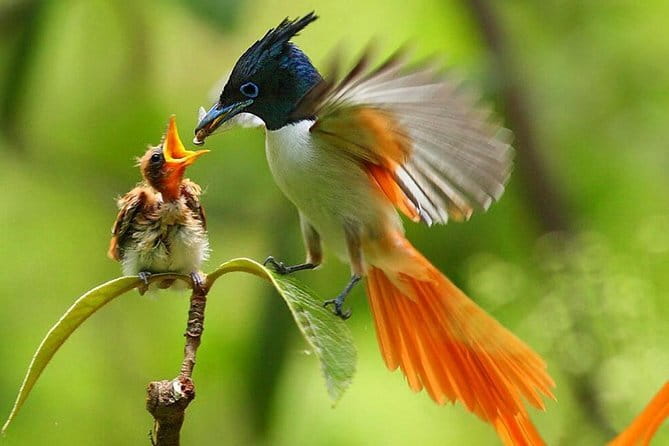
The tour highlights a chance of about 75 bird species, including birds like purple herons, cormorants, and kingfishers. What I like is that it’s not only birds. You may also spot other wildlife such as crocodiles, monkeys, and even rare otters. That variety makes early birding feel like real wildlife time, not just a checklist exercise.
There’s also a conservation angle baked into the setting: the tour notes that among the vertebrates documented, 17 are endemic and 26 are nationally endangered. That’s the sort of detail that helps you understand why people take bird watching so seriously here.
Consideration: entry tickets aren’t included for this stop, so it’s smart to budget for fees and keep some cash or card options ready (exact amounts can vary by site rules).
Anawilundawa Wetland Sanctuary: where birding becomes a full ecosystem
From Muthurajawela, you head toward Anawilundawa Wetland Sanctuary for another morning session. This is described as generally unknown outside bird watching circles, which usually means you’re less likely to feel like you’re on a busy “tour circuit.”
The bird numbers here are impressive: the sanctuary is associated with over 150 bird species. That already tells you the morning is likely to be active, not slow. What makes it extra compelling is how many other animals show up in the same space.
The tour data notes 20 species of mammals, including the Toque Monkey and several threatened species such as slender loris, rusty spotted cat, fishing cat, and the Indian otter. Then there’s a bonus for non-bird people: 74 butterfly species are also known to breed here.
I like how this kind of stop trains your eyes. Even if you don’t identify every species, you start noticing behavior—feeding patterns, perching habits, and how different birds use the water edges. That skill transfers to every other sanctuary on the route.
Tip you’ll thank yourself for later: if you’re bringing a camera, plan for changing light. Wetlands can go from bright sky to shaded vegetation in seconds.

Sigiriya area mornings and Udawatta Kele’s forest cover
After Anawilundawa, the trip moves you toward the Sigiriya area for a morning birding session. Sigiriya is famous for more than birds, but in this tour you’re there for the bird activity that comes from mixed habitats around the region.
Then in the afternoon, you shift to Udawattekele Sanctuary, a forest reserve connected to Kandy City. The tour states it covers about 257 acres and acts as a vital bio reserve for the Kandy area. Birding in a forest fragment like this is a different feel than wetlands. You’ll generally spend more time scanning for movement and listening for calls, because birds may be higher in the canopy.
This part of the trip is also a nice pace change. Wetland birding can be fast and exposed. Forest birding tends to slow you down in a good way.
Consideration: entry fees are listed as not included here too. Also, expect more uneven footing than you might see in open marsh areas. Wear shoes you can trust.
Belilena Cave evening birding: quick time, long bird list
In the evening, the tour offers bird watching around Belilena prehistoric cave area. This is an interesting pivot from rainforest and marsh settings. Caves and rocky terrain can shift bird activity patterns—especially around insects and fruiting behavior—so it keeps the trip from feeling repetitive.
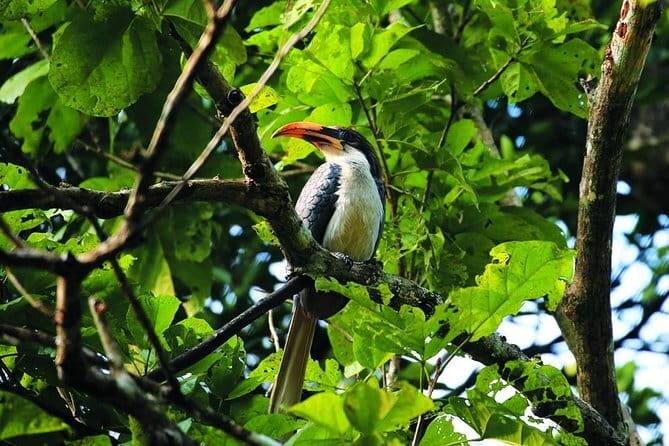
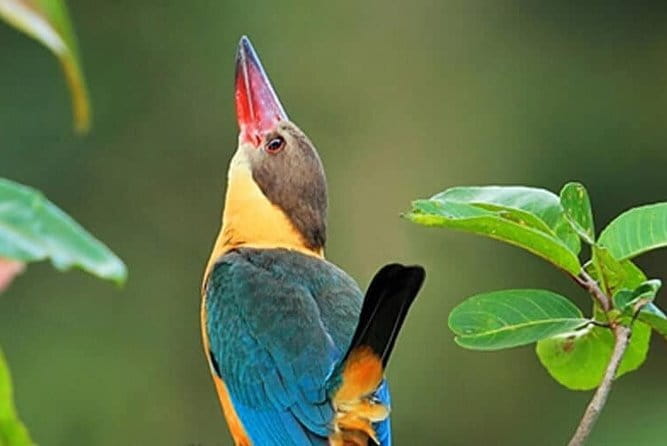
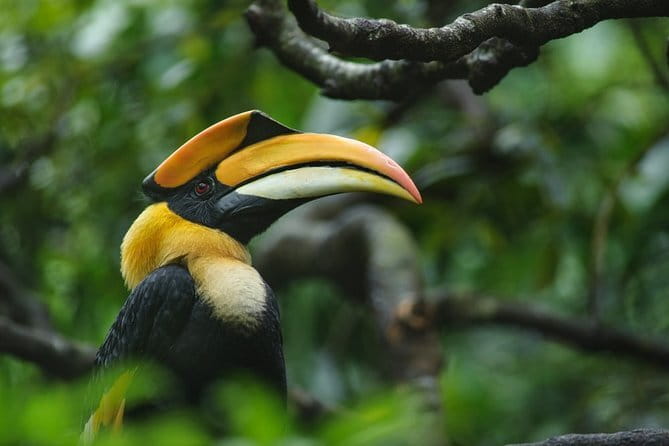
The tour notes you may see birds such as munias, flower peckers, sunbirds, flycatchers, mynas, babblers, monarchs, warblers/prinias (the list includes prinias and wagtails), plus bul buls, drongos, orioles, leafbirds, woodpeckers, barbets, pigeons, nuthatchs, hornbills, and coucals.
A small caution: the data shows this as 4 minutes, which may be a formatting quirk rather than the real duration. Either way, treat it as a short evening session compared with the 3-hour blocks elsewhere, and plan your energy accordingly.
This is also a good stop for people who like variety. Even if you can’t name every bird, the sheer number on the list suggests you’ll stay busy with spotting and comparing calls.
Kithulgala and Sinharaja: the endemic-bird payoff
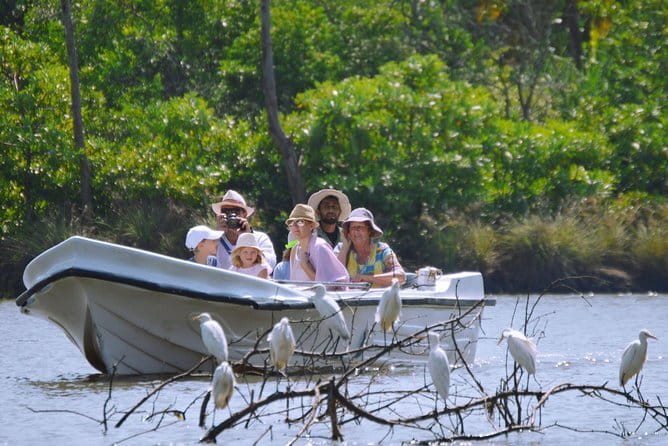
If your main goal is Sri Lanka endemics, the center of this tour is Sinharaja Rain Forest. The tour frames Sinharaja as a UNESCO World Heritage site and notes 147 species recorded to date. It also gives a very specific endemic statistic: Sinharaja is the only location where 21 out of 26 bird species endemic to Sri Lanka can be explored.
That’s why this section feels like the “why come here” moment. When a place holds most of a region’s endemics, you can spend time rather than guess at possibilities. Even for casual bird watchers, it’s a powerful location because it changes the bird list from “interesting” to “country-special.”
You bird around Kithulgala early in the morning, then head to Sinharaja for an evening bird watching tour. Later, you return for another morning bird session at Sinharaja. That morning-plus-evening approach matters. Birds can be active at different times for different reasons—food availability, movement between canopy and understory, and call patterns.
What to watch for: forest birding can be slower than wetland birding, especially for visual sightings. If you’re the kind of person who enjoys listening as much as spotting, this area will reward you more.
Entry fees are not included for these forest stops, so budget for site costs. And because this is a rainforest setting, bring weather-ready clothing habits—you’ll often get humid conditions even if the schedule is mostly outdoor.
Bundala National Park at dawn: flamingos and wintering waterbirds
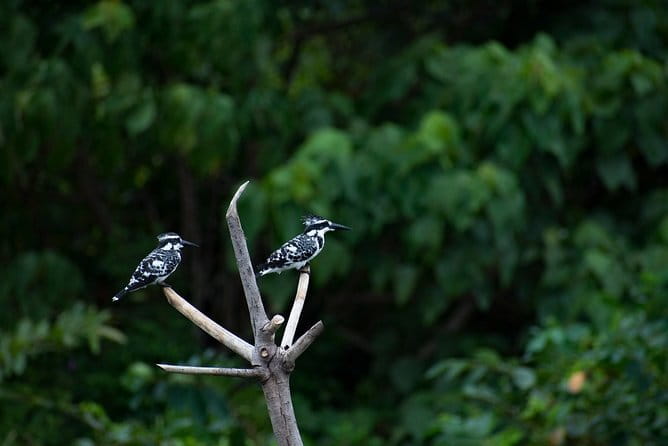
The tour ends its birding run with early morning time at Bundala National Park, described as birds’ paradise. This is an internationally important wintering ground for migratory waterbirds, which means the season (and timing) can strongly shape what you see.
The tour credits Bundala’s water bodies for creating strong feeding grounds, including for wetland birds and migratory flocks. It also mentions “flocks of hummingbirds,” which suggests you’ll see more than just waterline birds if the conditions align.
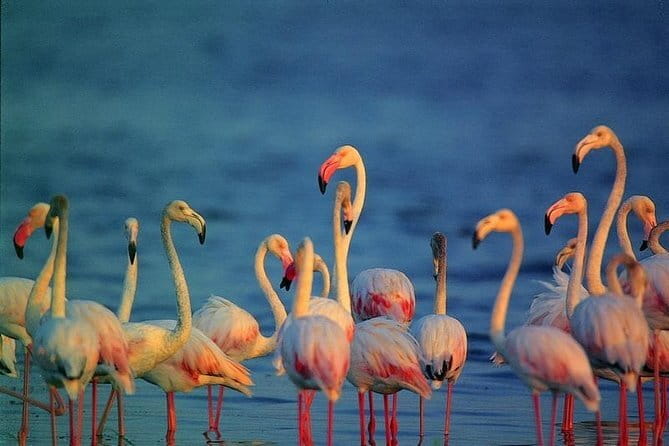
The numbers are big: Bundala harbours 197 species of birds, with the Greater Flamingo as the highlight, often in large flocks during the migration period. That migratory emphasis is a good match for bird watchers who like quantity and group behavior, not only rare species.
Consideration: entry fees aren’t included here either, and early morning means you’ll want to be ready to move fast when the day starts.
Wrap-up back in Negombo and out through Colombo
After breakfast, the tour routes you back toward Negombo, then on the final day your guide takes you to the international airport for departure. That’s a practical way to finish: you’re not stuck traveling far at the end when you’re tired from early starts.
Negombo also gives you a familiar last look at coastal life. For many people, it’s a nice emotional landing: your birding focus was wetlands, forest, and migratory flocks, then you end with sea air and a relaxed vibe.
Price and Logistics: does $746.67 feel worth it?
At $746.67 per person, this is not a “cheap day trip” kind of price. The value sits in what’s included and how much ground the route covers.
What you’re paying for here includes:
- Transfers by air-conditioned vehicle
- Sightseeing with an English-speaking chauffeur guide
- Parking and tolls
- GST/VAT/service charges
- Breakfast (listed as 8 breakfasts)
What’s not included is equally important:
- Entry fees
- Lunch and dinner
- Video/still camera fees at monuments/places of visit
- Personal items like drinks, laundry, phone use, and tips
- Early check-in and late check-out charges
- Anything not listed in inclusions
For me, the value makes sense if you truly want a multi-habitat birding route over 10 days, because transport and coordination can be a headache in Sri Lanka. If you also care about endemic-focused time in Sinharaja, that’s where the cost starts to feel justified: this tour is structured around specific bird regions, not random stops.
The price may feel steep if you’re mostly looking for easy sightseeing with minimal early mornings and minimal spending on top fees. In that case, you’d likely prefer a shorter bird route or a single-region experience.
How to get better sightings on every stop
This is a bird tour, so your results depend on rhythm, not just location. Here’s how to set yourself up for better mornings:
- Prioritize early hours: most birding sessions are morning-based, and birds are most active when light is fresh.
- Keep gear simple: binoculars and a camera are helpful, but you’ll do fine if you focus on good scanning and patience.
- Wear practical clothing for mixed terrain: wetlands and forest edges can mean mud, humidity, and uneven paths.
- Expect a “listen and look” split: forests often reward hearing calls as much as spotting birds.
- Manage heat: Sri Lanka mornings can still feel warm. Bring a water plan and pace yourself on climbs or forest walks.
Also, the tour notes that it requires moderate physical fitness. That doesn’t mean it’s extreme, but it does mean you should be comfortable spending hours outdoors and moving between spots.
Who should book this birding circuit
This trip fits best if:
- You want variety: marsh, wetland sanctuary, dry-zone area birding around Sigiriya, then rainforest endemics, then migratory waterbirds at Bundala.
- You’re serious about birds, but you don’t need to be a hardcore twitcher. The settings are built for both spotting and learning.
- You travel with family or friends and want a private setup where your group is the only group participating.
It may be less ideal if:
- You want a low-cost tour with all meals and fees included.
- You hate early mornings and long outdoor stretches.
- You expect constant visible birds in every moment. Forest birding in particular can mean quiet spells between calls.
Should you book this 10-day Bird Watching Tour in Sri Lanka?
I’d book it if you’re chasing Sri Lanka-specific bird encounters, especially time around Sinharaja, plus the wetter, wilder energy of Muthurajawela, Anawilundawa, and the dawn spectacle at Bundala. The route makes sense for people who want a real birding “story,” not just one highlight day.
Skip it (or shorten expectations) if your budget can’t stretch for entry fees, lunches, and dinners, or if you’re not ready for the early-morning rhythm. One more practical note: the experience depends on good weather, and the tour may offer a different date or a refund if it can’t run due to poor conditions.
If you fall in the first group, this is a strong way to spend 10 days in Sri Lanka—focused, structured, and built around bird country instead of generic sightseeing boxes.
FAQ
Where does the tour start and what time does it begin?
The tour starts at Bandaranayake International Airport in the Colombo area, with the start time set for 8:00 am.
Is pickup offered?
Yes, pickup is offered, including transfers into Negombo after meeting at the airport.
How long is the tour?
The duration is listed as 10 days (approx.).
Are entry fees included?
No. Entry fees are not included. The tour also lists video/still camera fees as not included.
What meals are included?
The tour includes breakfast (listed as 8 breakfasts). Lunch and dinner are not included.
Is this tour private?
Yes. It’s described as a private tour/activity, meaning only your group participates.
What level of physical fitness do I need?
The tour says travelers should have moderate physical fitness.
More Loops Around the Island
- 08 Nights in Magical Sri Lanka
★ 5.0 · 443 reviews - Flexi dates on all 5 to 7 days packages for car and English speaking driver
★ 5.0 · 202 reviews - Sri Lanka classic tour 8 Days with private driver,vehicle and H/B accommodations
★ 5.0 · 170 reviews - 10 Days Tour in Sri Lanka (Hotels with Breakfast & Luxury Car)
★ 5.0 · 148 reviews - 5 Days Tour in Sri Lanka (Hotels with Breakfast & Luxury Car)
★ 5.0 · 147 reviews
Just added to the Colombo pages
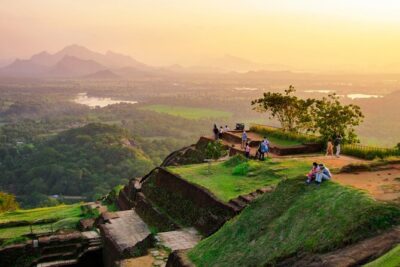


Round-Island Road Trips, compared.
 ★ 5.08 Days tour in Sri Lanka with privet driver and accommodationsFrom $665472 reviews
 ★ 5.008 Nights in Magical Sri LankaFrom $690443 reviews
 ★ 5.0Flexi dates on all 5 to 7 days packages for car and English speaking driverFrom $425202 reviews
 ★ 5.0Private Car & Driver for 07 Days Tour In Sri LankaFrom $535199 reviews
 ★ 5.0Sri Lanka classic tour 8 Days with private driver,vehicle and H/B accommodationsFrom $623170 reviews
 ★ 5.0Most Popular Round Tour in Sri LankaFrom $80161 reviews
 ★ 5.010 Days Tour in Sri Lanka (Hotels with Breakfast & Luxury Car)From $775148 reviews
 ★ 5.05 Days Tour in Sri Lanka (Hotels with Breakfast & Luxury Car)From $400147 reviews
Browse the lists this tour appears in