
Reviewed · COLOMBO CITY SIGHTSEEING TOURS
Colombo City Tour On Open Deck Bus
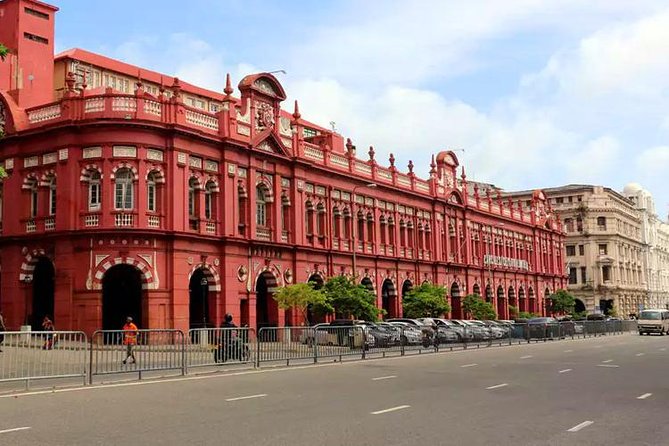
Colombo looks different from the open deck. This private 6-hour tour in Colombo layers big sightseeing views with stories about the Portuguese, Dutch, and English eras, so the city’s landmarks make sense instead of just looking nice.
I also like the way the route mixes major monuments with real everyday stops, like Independence Square, Beira Lake, Cinnamon Gardens, and the harbor/fort area, plus temple time at Kelaniya and Gangarama. The one thing to plan for is that it’s a packed day—expect plenty of driving between stops, so you’ll want to keep your pace flexible.
In This Review
- Key Highlights You’ll Notice Right Away
- First Stop: The Port Pickup and How the Day Gets Moving
- Why the Open-Deck Bus Changes Everything in Colombo
- Colonial-Era Landmarks: National Museum and Old Parliament
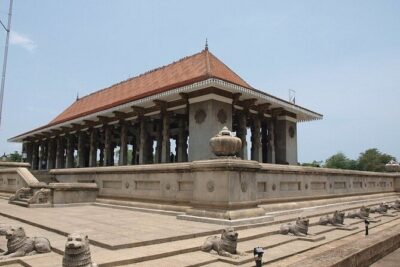
- Independence Memorial Arcade and Independence Square: The Meaning Behind the Photos
- Beira Lake and Cinnamon Gardens: A Break From Monument Mode
- Shopping Time at Laksala and the Gem/Jewellery Stops
- Lighthouse and Clock Tower Areas: A Classic Colombo Look
- Jamiul Alfar Mosque and BMICH: Modern City Landmarks in One Sweep
- Harbor and Fort Areas: Where the City Feels Most Like a Port
- Kelaniya Temple: A Calm Reset With a Big Spiritual Atmosphere
- Gall Face Green and Gangarama Temple: The Day’s Emotional Balance
- Price and Value: Does $112 Make Sense for This Route?
- What’s Included, What Isn’t, and How to Plan Your Money
- Timing, Traffic, and What to Bring for a 6-Hour Day
- Should You Book This Colombo Open-Deck City Tour?
- FAQ
- How long is the Colombo City Tour on an Open-Deck Bus?
- What time does the tour start?
- Where does the tour start?
- Is this a private tour?
- What’s included in the price?
- Are meals included?
- Are drinks included?
- What is the dress code?
- Do I need to bring a passport?
- Is cancellation free?
Key Highlights You’ll Notice Right Away
- Open-deck viewpoints for a fast, fun way to see Colombo from a different angle
- A guide who connects landmarks to eras (Portuguese, Dutch, English) so you’re not just reading plaques
- Independence Square + Old Parliament-area stops that show how modern Sri Lanka shapes identity
- Temple visits that slow the day down at Kelaniya and Gangarama
- Shopping built in, including Laksala and a gem/jewellery stop, without you hunting transport
Fort, Pettah, Galle Face: more ways to see the city
- Colombo: Private Tuk-Tuk City Tour with All Entry Fees★ 4.9 · 2,154 reviews
- Colombo Tuk Tuk City Tour -Sightseeing Entry Fees & Food Included★ 5.0 · 678 reviews
- Colombo Private Tuk-Tuk City Tour with All Entry Fees Included★ 5.0 · 524 reviews
- Colombo: Private Tuk-Tuk City Tour with Guide & All Tickets★ 4.9 · 471 reviews
- Colombo Bay Tuk Tuk City Tour★ 5.0 · 244 reviews
First Stop: The Port Pickup and How the Day Gets Moving
Your day starts around 8:30 am with pickup from designated meeting points, beginning in Colombo (the tour is clearly designed for cruise/port timing). From the start, you’re not left to figure out logistics, which matters in a city where traffic can turn a plan into a guessing game.
You’ll ride with a private guide and your transport is arranged door-to-door (pickup and drop-off are included). That setup is the main reason this works well if you’re short on time or you don’t want to manage tuk-tuks while dragging a daypack.
Dress for smart casual. You’ll be walking at multiple landmarks, and you may end up changing your plans depending on heat and crowds. I’d also keep your sun protection handy, since an open-deck bus is great—right up until the sun decides to win.
Why the Open-Deck Bus Changes Everything in Colombo
Yes, Colombo is interesting. But the open deck adds a different kind of connection. You get the wind, the motion, and the street-level energy that you miss when you’re sealed into a regular vehicle.
This format also helps with orientation. You’re guided through neighborhoods and landmarks across the city, so you start learning the geography of where things sit—museum/monuments in one stretch, lake and gardens in another, then down toward the harbor and fort areas. That matters because Colombo can feel scattered if you’re only hopping on and off without a map in your head.
One practical note: open-deck seating means it’s not the best choice if you’re sensitive to sun or you hate wind. Still, it’s a classic way to see the city at full speed without feeling rushed by a strict schedule.
Colonial-Era Landmarks: National Museum and Old Parliament
The tour includes a stop at the National Museum and the Old Parliament area. This is where the day’s “story mode” kicks in. Instead of treating museums and government buildings like boxes you walk into, your guide explains the bigger picture—what changed, who left their mark, and why those names and buildings matter.
The National Museum stop is a smart use of time because it gives you context before you go deeper into independence-era landmarks. Even if you only spend part of your time there, it helps you recognize why later monuments are so focused on identity and governance.
The Old Parliament-area visit also helps you read the city’s layers. Colonial architecture and modern civic spaces sit close enough to feel connected. If you like seeing how a country’s political story shows up in the built environment, this pairing is one of the more rewarding parts of the route.
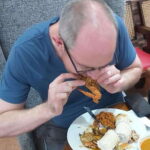
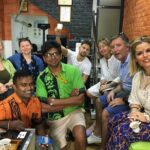
Independence Memorial Arcade and Independence Square: The Meaning Behind the Photos
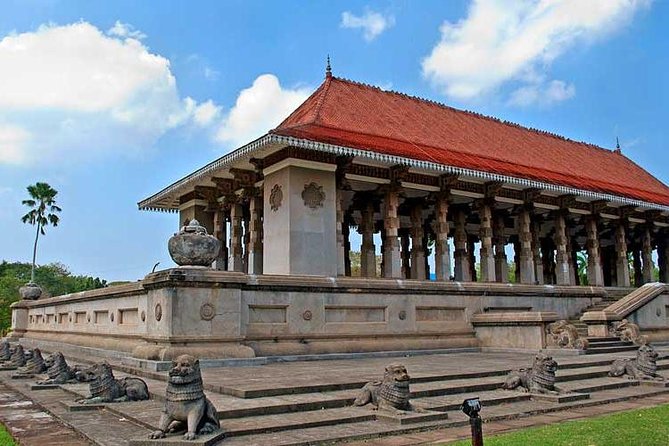
Next up is the Independence Memorial Arcade and Independence Square, including time near where Independence Square sits close to the Old Parliament area. This is the moment when Colombo shifts from colonial references to the country’s own public identity.
Independence Square is especially worth your attention because it’s not just a pretty open space. It’s a meeting place of civic memory—so you’ll get more out of it if you slow down and listen to the guide’s explanation rather than shooting from every angle at once.
The arcade and square combination works well because you’re not only looking at one landmark type. You’re seeing how public life, public space, and formal remembrance intersect. If you care about how nations brand themselves through architecture, this is one of your highest-payoff stops.
Beira Lake and Cinnamon Gardens: A Break From Monument Mode
After the major landmarks, you’re guided through Beira Lake and Cinnamon Gardens. This section matters because it breaks the day into something more than “look at buildings, move on.”
Beira Lake is a water-and-city anchor, and it gives you a chance to understand how the city balances dense development with open spaces. Even without a long walk, the lake views help you reset your brain before the temple portion of the tour.
Cinnamon Gardens adds another flavor of Colombo. It’s the kind of area where you start noticing quieter streets and more local rhythm, compared with the heavy landmark cluster. If you’re the type who enjoys seeing daily life, this stop is a good sign that the tour isn’t only built around monuments.
Shopping Time at Laksala and the Gem/Jewellery Stops
The tour includes shopping stops at Laksala, described as a state-owned handicrafts emporium, plus a gem and jewellery shopping stop. For many visitors, this is where the tour’s value becomes personal: some people love it, some people want to see it and then move on.
Here’s how to get the most without stress:
- Go with a simple goal. Decide if you’re browsing only or if you plan to buy something.
- Use the guide’s timing. These stops are timeboxed, so you’ll see more if you ask questions early rather than waiting until the last few minutes.
Laksala is a useful stop because it’s tied to Sri Lanka’s broader craft identity, and state-run stores often mean more fixed presentation than random street stalls. The gem and jewellery stop can be impressive, but remember it’s also a shopping environment—so stay in control of your pace and budget.
If you’re trying to keep your day simple, treat these stops like a guided window into markets rather than a must-buy agenda.
Lighthouse and Clock Tower Areas: A Classic Colombo Look
You’ll also visit the Lighthouse and Clock tower area. This part of the route is useful because it’s another “orientation landmark.” When you see the waterfront-adjacent views from the bus and then stand near iconic structures, you start understanding how Colombo’s coastal character shapes the city.
The lighthouse/clock tower area is also a photo-friendly segment. Even if you’re not a photographer, it helps you connect the harbor zone with the rest of Colombo’s landmark circuit.
One small consideration: if your camera batteries struggle in warm weather, keep a spare power plan. You’ll have a lot of short photo moments, and it’s easy to lose track of charging time.
Jamiul Alfar Mosque and BMICH: Modern City Landmarks in One Sweep
The route includes Jamiul Alfar Mosque and BMICH (Bandaranaike Memorial International Conference Hall). This is a smart mix because it avoids making the tour either purely colonial or purely religious.
The mosque stop helps you see Colombo as a living city, not a museum outside the window. Even if you don’t go deep into interiors, the stop gives you a sense of how religious landmarks are woven into everyday city geography.
BMICH adds the civic/modern touch. Conference halls and public buildings often feel like “just architecture” until you realize they’re where major events happen. Seeing it in the same day as independence sites helps you connect the modern civic identity of Sri Lanka with older public spaces.
Harbor and Fort Areas: Where the City Feels Most Like a Port
The tour returns to the harbor and fort areas of Colombo, giving you another chance to take in the coastal side of the city. This is valuable because it’s not just one quick view. You’re seeing how the water changes the mood of the city as the day progresses.
Harbor areas are also where Colombo’s economy and movement become more obvious. You can often feel the practical side of city life here—ships, logistics, and the long history of Colombo as a trading hub.
If you’re the kind of person who likes to understand a place by watching where people gather, the harbor zone is a good learning stretch. Just keep expectations flexible: waterfront areas can shift with crowds and timing.
Kelaniya Temple: A Calm Reset With a Big Spiritual Atmosphere
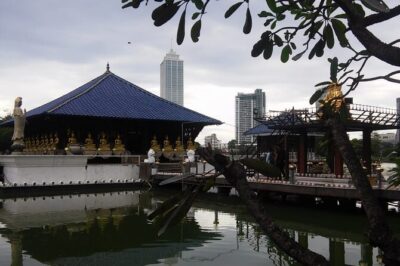
Later, you visit Kelaniya Temple. This stop changes the tempo of the tour. Instead of moving quickly between landmarks, you shift into a more reflective setting.
Because the tour is designed to hit both major temples in one day, you get two different styles of sacred space. Kelaniya is a strong stop early enough that it doesn’t feel like you’re already too tired to appreciate it.
Practical tip: wear comfortable shoes you can walk in. Temple visits often involve uneven or busy ground, and you’ll want your feet to feel steady. Also, keep your phone camera ready but don’t let it replace paying attention to the moment.
Gall Face Green and Gangarama Temple: The Day’s Emotional Balance
After Kelaniya, the tour includes Gall Face Green and then Gangarama Temple, one of Sri Lanka’s important Buddhist temples. Gall Face Green is the outdoor pause you need before entering a temple atmosphere with more depth and detail.
Gall Face is also a good “social geography” spot. You’ll start noticing how people use public outdoor space—like a local living room. That kind of pause helps you process the earlier monuments instead of rushing straight from street to sacred site.
Gangarama Temple is a major highlight because the tour frames it as one of Sri Lanka’s most important Buddhist temples. This is where you’ll likely feel the most difference in your surroundings. The day’s story line turns from colonial and independence themes into spiritual continuity.
After Gangarama, you head back toward the harbor and fort areas and again toward Independence Square. That second sweep makes sense: once you’ve seen the city’s spiritual heart, the civic monuments feel even more grounded.
Price and Value: Does $112 Make Sense for This Route?
At $112 per person for roughly 6 hours, the big value is not just the open-deck ride. It’s the package: private guide, pickup and drop-off, round-trip transfer, and transport by private vehicle, plus local taxes.
If you were to do this on your own, you’d spend time coordinating transport for multiple areas—museum/government landmarks, lake and gardens, shopping zones, then temples, then harbor and civic stops. This tour handles that friction for you. For many visitors, that saved hassle is worth more than the ticket price alone.
The included list also matters: you’re not paying separately for guide time or transfers. That keeps the budget cleaner, especially if you’re visiting on a short schedule like a cruise day.
The main drawback for value is also the one drawback for the whole day: it’s packed. If you want long museum hours, slow strolling, and lots of free time, this route may feel tight. If you want a structured overview that covers the city’s main beats, it’s a strong deal.
What’s Included, What Isn’t, and How to Plan Your Money
Included items are practical: local taxes, professional guide, pickup and drop-off from designated meeting points, and round-trip private transfer with private vehicle transport.
Not included: food and drinks and alcoholic drinks (though alcohol is available to purchase), plus souvenir photos, and optional items like DVD and other shop purchases.
So you’ll want to plan for:
- Water during warm hours
- Snacks if you tend to get hungry between stops
- Shopping budget if you want to browse Laksala or the gem/jewellery store
- A little extra cash for any optional purchases or photos
If you’re the type who hates carrying a bag all day, keep it light. The tour is designed around moving between areas, so fewer things to manage means more energy for looking around.
Timing, Traffic, and What to Bring for a 6-Hour Day
Transfers take approximate time, and the exact duration depends on traffic conditions. That’s normal for Colombo, and it’s why open-deck viewing plus a guided schedule works best: even if a road segment slows down, you still have someone to keep the day on track.
Bring:
- Sun protection for open-deck sections
- Comfortable walking shoes
- Light layer if the air feels cooler near waterfront or in vehicles
- Your passport, since you’ll need it on the day of travel
Also, keep your booking info ready. You’ll need passport name, number, expiry, and country at booking for all participants.
Should You Book This Colombo Open-Deck City Tour?
I think this tour is a great pick if you want a structured Colombo day without the stress of planning multiple areas and transport links. The standout strengths are the open-deck sightseeing, the guide’s ability to explain how Portuguese, Dutch, and English eras connect to what you’re seeing, and the balance between independence landmarks, lake-and-garden pauses, and two major temple visits.
Book it if:
- You want the highlights in about a single day
- You like guided context more than wandering alone
- You’re okay with a packed schedule and short stops
Consider something else if:
- You want long time in museums or temples
- You hate driving time and prefer slower travel days
- You plan to do lots of independent shopping with no time limits
If you’re on a tight schedule and you want Colombo to make sense fast, this is one of the most practical ways to do it.
FAQ
How long is the Colombo City Tour on an Open-Deck Bus?
The tour lasts about 6 hours, with timing that can vary based on traffic and the day’s conditions.
What time does the tour start?
The start time is 8:30 am.
Where does the tour start?
The start location is Colombo, Colombo, Western Province, with pickup from designated meeting points.
Is this a private tour?
Yes. It’s a private tour/activity, and only your group participates.
What’s included in the price?
Local taxes, a professional guide, pickup and drop-off from designated meeting points, private tour arrangement, round-trip private transfer, and transport by private vehicle are included.
Are meals included?
No. Food and drinks are not included, and lunch is not included.
Are drinks included?
No. Drinks are not included. Alcoholic drinks are available to purchase.
What is the dress code?
The dress code is smart casual.
Do I need to bring a passport?
Yes. A current valid passport is required on the day of travel, and passport details are needed at booking.
Is cancellation free?
Yes. You can cancel up to 24 hours in advance for a full refund.
The City, a Few More Ways
- Colombo: Private Tuk-Tuk City Tour with All Entry Fees
★ 4.9 · 2,154 reviews - Colombo Tuk Tuk City Tour -Sightseeing Entry Fees & Food Included
★ 5.0 · 678 reviews - Colombo Private Tuk-Tuk City Tour with All Entry Fees Included
★ 5.0 · 524 reviews - Colombo: Private Tuk-Tuk City Tour with Guide & All Tickets
★ 4.9 · 471 reviews - Colombo Bay Tuk Tuk City Tour
★ 5.0 · 244 reviews
Just added to the Colombo pages
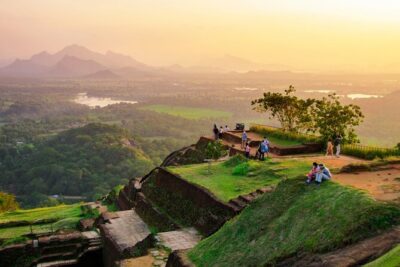

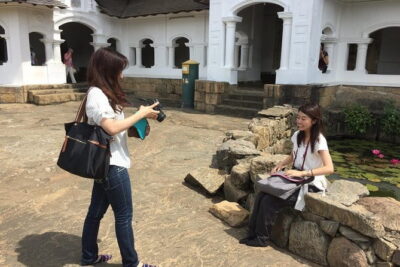
Colombo City Sightseeing Tours, compared.
 ★ 4.9Private Tuk-Tuk City Tour with All Entry FeesFrom $232,154 reviews
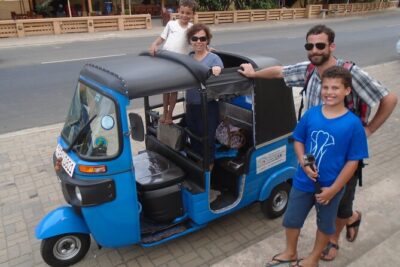 ★ 5.0Colombo Tuk Tuk City Tour -Sightseeing Entry Fees & Food IncludedFrom $34678 reviews
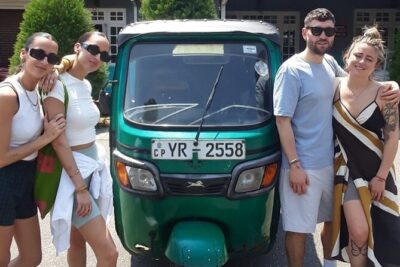 ★ 5.0Colombo Private Tuk-Tuk City Tour with All Entry Fees IncludedFrom $32524 reviews
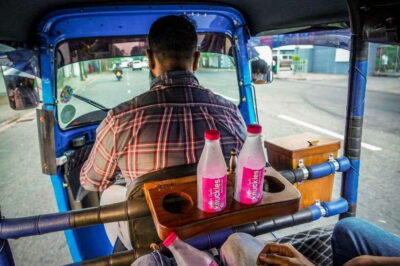 ★ 4.9Private Tuk-Tuk City Tour with Guide & All TicketsFrom $22471 reviews
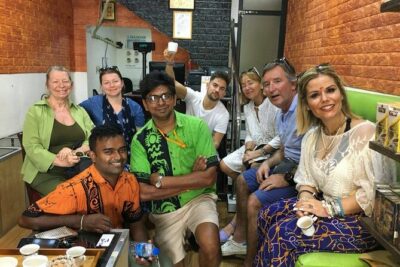 ★ 5.0Colombo Bay Tuk Tuk City TourFrom $35244 reviews
 ★ 5.0Colombo City Tour By Tuk Tuk Sightseeing -Entry Tickets IncludedFrom $28202 reviews
 ★ 4.8Private City Tour with Local Food Tour by Tuk-TukFrom $32186 reviews
 ★ 5.0Explore Colombo by Tuk Tuk – All Entry Fees IncludedFrom $33176 reviews
Browse the lists this tour appears in