
Reviewed · NEGOMBO TOWN & BEACH TOURS
Negombo Heritage Walking Tour
Negombo rewards slow walking. This 3-hour heritage walk strings together the Hindu, Dutch, and Christian sides of the city in a route you can actually follow on foot. I especially like the way the tour starts at Sri Mutthu Mari Amman Temple and then keeps pulling you into real street life, not just postcard stops. The biggest thing to plan for is the timing and sensory factor: the dry fish stretch can be intense, and one recent booking noted that snack/refreshments didn’t match expectations that day.
You’ll also see how Negombo’s coastal identity shapes everything, from the fruit and veggie market to the fishing-borne views at the Kothlawala bridge. Guides can be excellent at making the history click, and names like Shashi show up in past groups, with plenty of room for questions. If you’re sensitive to heat, go earlier: one review specifically warned that by around 12:00 it gets very hot for walking.
In This Review
- Quick hits: what makes this tour click
- Where the walk begins: Sri Mutthu Mari Amman Temple and Sea Street
- Markets on foot: fruits, spices, and the reality of King George Drive
- Lellama fish market: a sensory stop you’ll remember
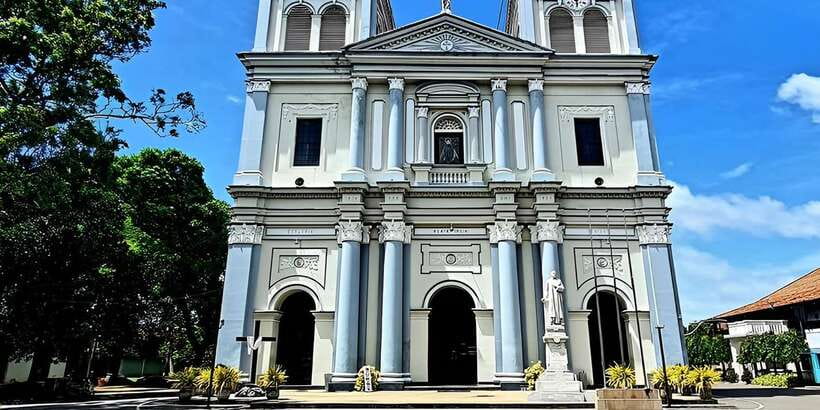
- Dutch Fort and St. Stephen’s Church: maritime trade meets European architecture
- Negombo Lagoon and St. Mary’s Church: the coastal calm after the busy streets
- Snacks, pacing, and the guide: how groups stay comfortable
- Price and value: is $14 for three hours a fair deal?
- Timing and heat: what to do if you’re walking in Negombo sun
- Should you book the Negombo Heritage Walking Tour?
- FAQ
- Where is the meeting point for the tour?
- How long is the Negombo Heritage Walking Tour?
- What’s included in the price?
- What language will the guide speak?
- What should I bring for the walk?
- Is there a way to cancel or change plans?
Quick hits: what makes this tour click
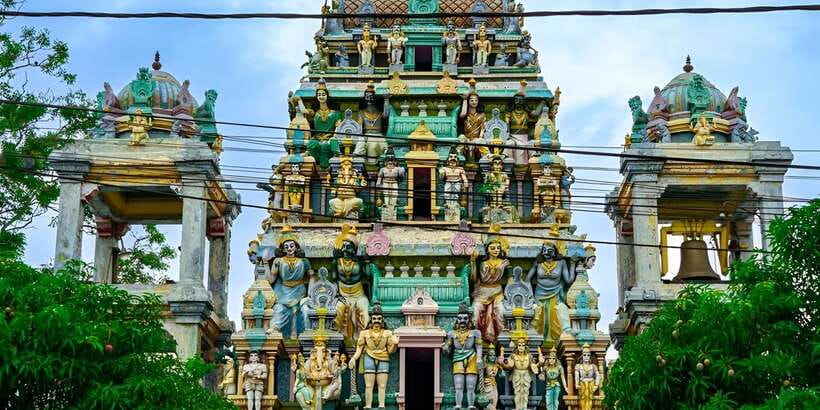
- Sri Mutthu Mari Amman Temple sets the tone for Negombo’s multicultural mix from the first steps on Sea Street
- Local fruit and vegetable market gives you a quick look at how everyday buying works
- King George Drive runs alongside the Indian Sea, leading you toward the dry fish processing zone
- Lellama fish market is the real deal, with the smell and energy that come with it
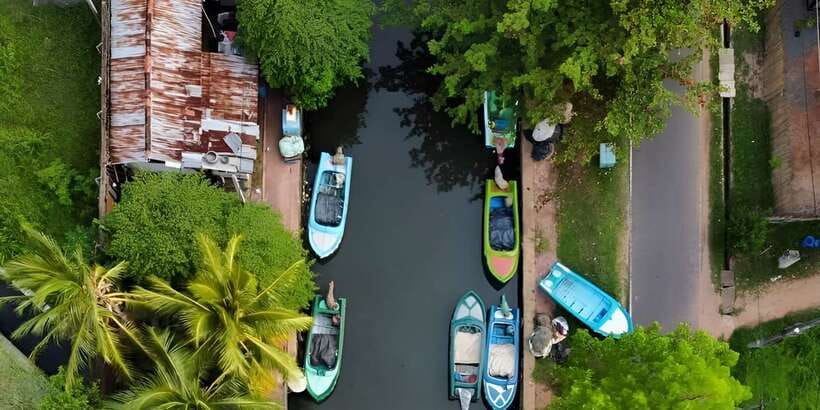
- Kothlawala bridge is a great photo pause for fishing boats on the water
- Dutch Fort + St. Stephen’s Church area connects maritime trade to European influence
Walk the old quarters: more Negombo heritage routes
- Heritage & Cultural Walk in Negombo★ 5.0 · 11 reviews
- 10 Days/ 9 Nights – Heritage Wildlife and Waves in Sri Lanka★ 5.0 · 6 reviews
- 7 Days Sri Lanka Tour Chauffeur Wildlife and Heritage Adventure★ 5.0 · 6 reviews
- 6-Day Sri Lanka Heritage Private Tour★ 5.0 · 5 reviews
- 3 Day SriLanka Cultural Tour:Dambulla/ Sigiriya/ Polonnaruwa / Minneriya/ Kandy★ 5.0 · 4 reviews
Where the walk begins: Sri Mutthu Mari Amman Temple and Sea Street
Most Negombo tours start with the usual map pin. This one starts with a living place, at Sri Mutthu Mari Amman Temple on Sea Street. That matters because the rest of the walk isn’t just a checklist. You get orientation for the city’s spiritual and cultural layers first, then you move into the marketplace and coastal industry that surround daily life.
As you leave the temple area, your guide helps you connect what you see to what it means. Even if you know almost nothing about Sri Lankan religion, the tour pace makes it easy to ask questions without feeling lost. The meeting point is right out front, so you’re not playing hide-and-seek with a side street.
If you want a smoother start, arrive a few minutes early. With a walking tour, that buffer is what keeps the first part from feeling rushed.
Markets on foot: fruits, spices, and the reality of King George Drive
One of the smartest parts of this route is the market stop. You walk through the local vegetable and fruit stalls, where you can watch how vendors present produce and how shoppers move through the crowd. It’s not staged. It’s just Negombo doing Negombo.
Then comes King George Drive, named after a royal visit to the city. The value here isn’t the name. It’s the geography. The road runs parallel to the Indian Sea, so the walk naturally connects street life to the coast. You’ll start noticing how many activities are tied to fishing and what happens to the catch afterward.
The tour pushes you toward the dry fish processing center and the fish market area. That’s why I call this tour honest. You don’t just hear about maritime industry; you experience the environment where it happens. Be prepared: the smell can hit quickly once you get close. If you’re easily overwhelmed by odors, this is the moment to mentally brace yourself.
Lellama fish market: a sensory stop you’ll remember
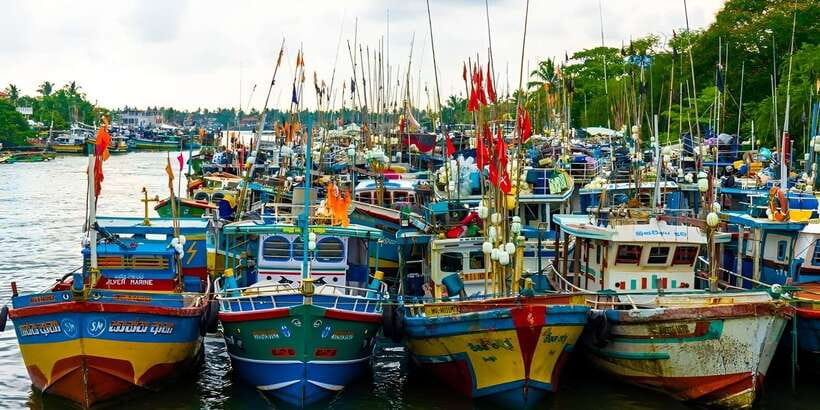
The most vivid part of the walking route is the fish sequence. After enough time along the coastal processing zone, you’ll reach the Lellama fish market. This is where the tour earns its heritage label.
You see the supply chain in motion: how things are handled and how quickly people are working. And because it’s on foot, you’re not sealed inside a van while someone points from a distance. You’re close enough to understand why this is such a central part of Negombo’s economy.
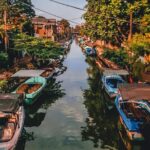
There’s also a practical photo benefit. As you move through the broader area, you pass landmarks on the way to the Dutch-era sites. Near the Dutch Fort area, the tour route includes a bridge photo opportunity at the Kothlawala bridge—a nice moment to capture fishing boats and the waterline without having to ask for special access.
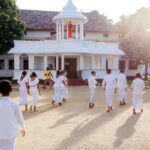
Negombo beyond the beach: fish market, canal and streets


Dutch Fort and St. Stephen’s Church: maritime trade meets European architecture
Negombo’s colonial layer shows up clearly around the Old Negombo Dutch Fort and the nearby area associated with St. Stephen’s Church. This is the part of the tour that turns “place names” into something more tangible.
I like how the route places you near the fort area after the fish-market stretch, because the contrast is informative. The fishing economy is raw and immediate. The European structures are more deliberate and enduring. Put together, they help you visualize how the port shaped foreign presence over time.
You’ll also pass by the prison area on the route before reaching the Dutch Fort zone. That’s not a “tourist attraction” in the typical sense, but it helps explain how the city’s history sits right inside the current urban fabric.
One note for your expectations: this section is mostly walking and viewing from street-level. If you’re hoping for long time inside specific buildings, the tour format may feel more like an exterior-and-street-history experience than a museum visit. That said, for context and orientation, it works well.
Negombo Lagoon and St. Mary’s Church: the coastal calm after the busy streets
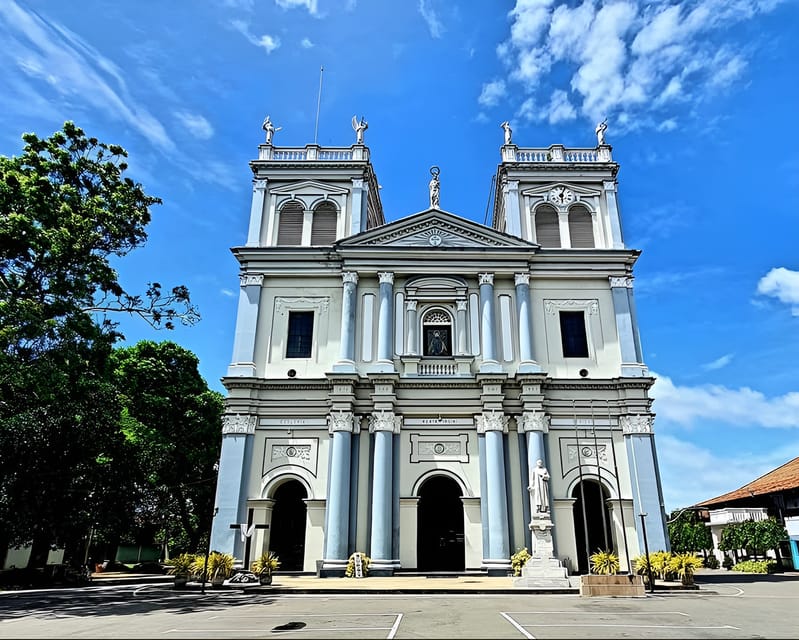
After the fort area, the walk shifts tone. You’ll visit Negombo Lagoon next, with guided stops that help you interpret what you’re seeing from a local perspective. Lagoon views break up the denser market and fort areas and give you a breather before the religious landmark at the end of the route.
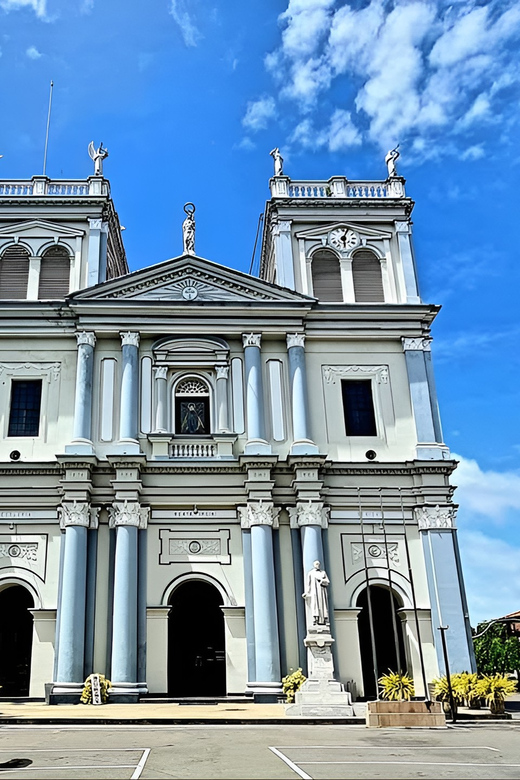
Then the tour heads to St. Mary’s Church in Negombo. The point here isn’t just the building. It’s how your route shows multiple faith communities sharing the same city space. You start with a Hindu temple, pass through layers tied to the sea and trade, and end with a Christian church site. The sequence quietly teaches you that Negombo isn’t one-note.
If you’re the type who likes taking photos, this part often feels easier than the fish market. You’re still walking, but you’re less likely to feel like you’re interrupting an active commercial zone.
Snacks, pacing, and the guide: how groups stay comfortable
The tour includes an English-speaking guide and a snack tasting menu with refreshments. In practice, that’s one of the best value levers on a walking tour. You’re out in the sun and moving between markets and churches, so having a small break with food makes the whole experience feel complete.
That said, there’s a caution from a recent booking: one group reported that refreshments/local food didn’t appear as advertised that day. I’d treat that as a heads-up, not a reason to avoid the tour. Before you go, ask what’s included in your specific start time, especially if you’re expecting more than a small tasting.
On pacing, the walk is designed for sightseeing and gentle movement. Multiple past experiences describe a tempo that leaves room for questions, which is exactly what you want in a heritage route. If you’re the kind of traveler who likes history but also likes practical tips—where to eat, what to try, how to move through local spaces—this tour format fits.
Guides have also been praised for explaining food and spices and adjusting to special requests. One name that stood out in past groups is Shashi, described as friendly, helpful, and fluent in good English.
Price and value: is $14 for three hours a fair deal?
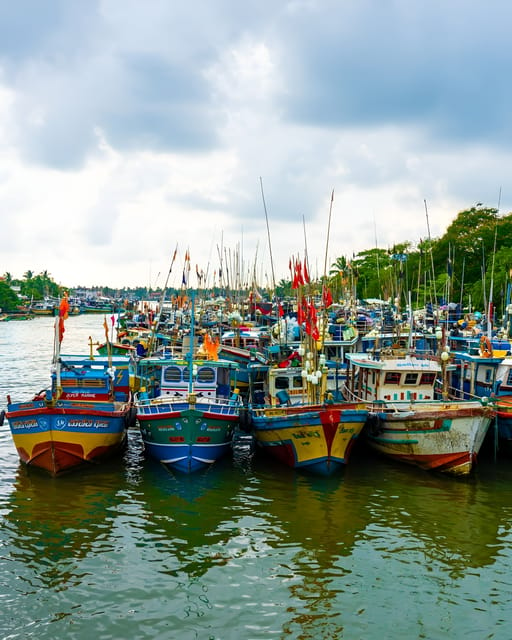
At $14 per person for about three hours, this tour lands in the sweet spot where you’re paying for a guide and a guided route, not for transport or big-ticket access.
Here’s what you’re really getting for the money:
- A guided walk connecting temple, markets, fish economy, colonial-era sites, and churches
- Time in key areas like Lellama fish market and the Dutch Fort area where independent wandering is possible but harder to interpret
- Snack tasting and refreshments (with the earlier note that availability may vary)
In other words, your cost buys context. Without a guide, you can still walk around Negombo. But you’d likely miss why certain stops matter, and you’d have a harder time navigating the city’s cultural layers without feeling like you’re guessing.
If you enjoy city-walks more than museum time, and you want to understand daily life alongside landmarks, this is strong value.
Timing and heat: what to do if you’re walking in Negombo sun
Negombo walking gets warm fast. One practical tip from a past review: if you can, go in the morning, because by around 12:00 it can be very hot. That lines up with what you’d expect in coastal tropical weather, but the specific warning helps.
The tour suggests bringing sunglasses and sunscreen, which is smart since you’ll be outdoors for much of the route. I’d also plan your day so you’re not racing from one place to another immediately after—three hours of walking around markets and churches is enough activity on its own.
If you’re heat-sensitive, your best strategy is simple: schedule an earlier start time and keep your pace comfortable.
Should you book the Negombo Heritage Walking Tour?
Yes, if you want a compact, guided way to understand Negombo’s multicultural identity. I’d book it if you care about how the city works day-to-day—especially the market side and the coastal fish economy—then you want the meaning of what you’re seeing explained at each stop.
I’d think twice if you’re very sensitive to smells from the dry fish processing area. Also, if snack/refreshments are a must-have for you, message the provider to confirm what will be available for your specific tour time.
If you’re looking for a straightforward walking route with real street stops, good guide energy (and names like Shashi have shown up in past groups), and a reasonable price for three hours, this one fits.
FAQ
Where is the meeting point for the tour?
Your guide will wait for you in front of the Hindu temple, at Sri Mutthu Mari Amman Temple.
How long is the Negombo Heritage Walking Tour?
The tour lasts about 3 hours.
What’s included in the price?
The tour includes an English-speaking guide plus refreshments and a snack tasting menu.
What language will the guide speak?
The tour offers a live guide in English and Hindi.
What should I bring for the walk?
You should bring sunglasses and sunscreen.
Is there a way to cancel or change plans?
You can cancel up to 24 hours in advance for a full refund, and there is also a reserve now & pay later option to help you keep plans flexible.
More Negombo Pavement to Cover
- Heritage & Cultural Walk in Negombo
★ 5.0 · 11 reviews
More of Negombo
- Motorcycle Rental in Negombo
★ 5.0 · 103 reviews - Half-Day Negombo City Tour with Ayurvedic Massage & Local Lunch
★ 5.0 · 87 reviews - Negombo City Tour by Tuk Tuk with hotel pickup
★ 5.0 · 42 reviews - Negombo Day Tour
★ 5.0 · 37 reviews - Fun and Scenic Negombo Tour by Tuk Tuk
★ 5.0 · 33 reviews
More Ground to Cover on Foot
- Heritage & Cultural Walk in Negombo
★ 5.0 · 11 reviews - 10 Days/ 9 Nights – Heritage Wildlife and Waves in Sri Lanka
★ 5.0 · 6 reviews - 7 Days Sri Lanka Tour Chauffeur Wildlife and Heritage Adventure
★ 5.0 · 6 reviews - 6-Day Sri Lanka Heritage Private Tour
★ 5.0 · 5 reviews - 3 Day SriLanka Cultural Tour:Dambulla/ Sigiriya/ Polonnaruwa / Minneriya/ Kandy
★ 5.0 · 4 reviews
Just added to the Negombo pages




Negombo Town & Beach Tours, compared.
 ★ 5.0Motorcycle Rental in NegomboFrom $17103 reviews
 ★ 5.0Half-Day Negombo City Tour with Ayurvedic Massage & Local LunchFrom $5287 reviews
 ★ 5.0Negombo City Tour by Tuk Tuk with hotel pickupFrom $2542 reviews
 ★ 5.0Negombo Day TourFrom $3537 reviews
 ★ 5.0Fun and Scenic Negombo Tour by Tuk TukFrom $2533 reviews
 ★ 5.0Negombo: Private Half-Day Tuk-Tuk Tour with Hotel TransfersFrom $4231 reviews
 ★ 5.0Galle Day Tour from Colombo or Negombo by Private Car , Van with DriverFrom $8031 reviews
 ★ 4.6Negombo: Guided Kayaking Tour in the LagoonFrom $2323 reviews
Browse the lists this tour appears in