
Reviewed · ROUND-ISLAND ROAD TRIPS
Sri lanka Wildlife Tour
Wild elephants, deep forests, and boats for birds—this route has it all. It starts in Negombo and strings together national parks, temples, and wetlands in a way that makes wildlife feel like the main event. I love how the days mix big-chance safari time with slower, more local moments like lagoon trips and fish market mornings.
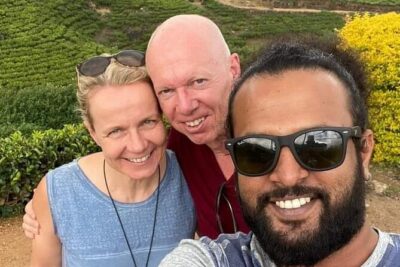
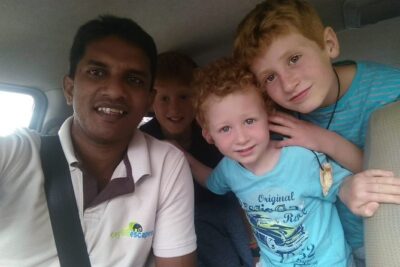
My second favorite part is the human one: a good guide and driver can turn a standard sightseeing loop into a plan that actually fits you. In past trips with this operator, a guide named Krish (Voyager Lanka) and a driver named Sura have been singled out for adjusting the route and keeping everything straightforward, without surprise add-ons. You’ll feel that difference most on long days when you need good pacing.
One thing to consider up front: this is a packed circuit with early starts and serious sitting time in the car. You’ll also want to budget for entrance tickets, since the package covers transport and taxes but not site admissions—and the schedule assumes decent weather.
In This Review
- Key highlights to know before you go
- Booking a 13-Day Wildlife Circuit from Negombo: what you’re paying for
- What to pack for safaris and rain-forest days (and why it matters)
- Day 1 in Negombo Lagoon: herons, a boat ride, and an easy start
- Wilpattu National Park and Anuradhapura: mixing big wildlife with old cities
- Kaudulla or Minneriya and Sigiriya’s Lions Rock: elephants plus one of Sri Lanka’s icons
- Nuwara Eliya, tea country, Peradeniya, and Horton Plains birding
- Ella by tea train and Tissa Lake herons: a change of pace that stays wildlife-focused
- Yala National Park: your long safari day
- Sinharaja Forest Reserve: rain-forest birding over two full days
- Ratnapura gem country and Muthurajawela wetland photography
- Finishing at the Negombo fish market: one last real local scene
- Value check: what’s included, what’s not, and how to budget smart
- Who this tour suits best (and who should think twice)
- Should you book this Sri Lanka Wildlife Tour?
- FAQ
- How many people are in a group?
- Where does the tour start?
- How long is the tour?
- What time does the experience start?
- Is pickup offered?
- What is included in the price?
- What is not included?
- Does the schedule include the tea train?
- Is entrance ticket cost included for parks and temples?
- What if the weather is bad?
- What is the cancellation window?
Key highlights to know before you go
- Private group (up to 3) with an air-conditioned vehicle and pickup offered from your base in Negombo
- Wildlife and bird-focused planning, from lagoon herons to rain-forest birding
- Safari days in Wilpattu, Kaudulla/Minneriya, and Yala, timed for optimal park hours
- Tea train ride from Nanu Oya to Ella, plus tea factory and estate visits
- Sinharaja Forest Reserve for an all-day rain-forest experience and bird photography time
- Photography-friendly wetland stop at Muthurajawela Marsh, ending with a seafood dinner
More multi-day loops around the island
- 8 Days tour in Sri Lanka with privet driver and accommodations★ 5.0 · 472 reviews
- Private Car & Driver for 07 Days Tour In Sri Lanka★ 5.0 · 199 reviews
- Most Popular Round Tour in Sri Lanka★ 5.0 · 161 reviews
- 7 Days Round Tour in Private Car/Van with Chauffer★ 5.0 · 122 reviews
- Customized Multi-Day Private Tour Packages in Sri Lanka★ 5.0 · 77 reviews
Booking a 13-Day Wildlife Circuit from Negombo: what you’re paying for
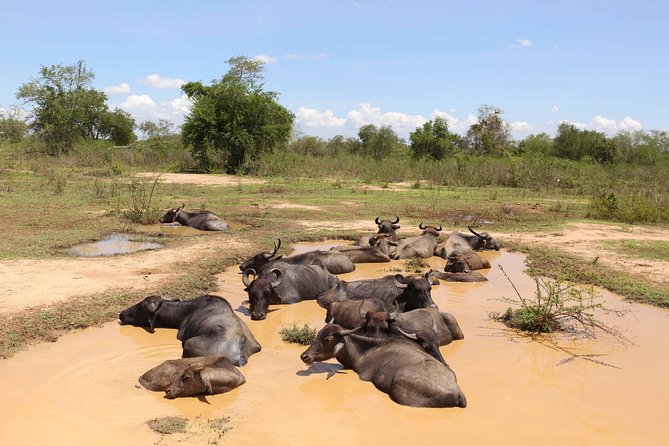
This is a private 13-day Sri Lanka wildlife tour (about 13 days) built around two big ideas: wildlife viewing and bird watching, with enough cultural stops to keep the trip from feeling like a single long safari. The base is Negombo, and the full loop returns to Negombo on the last days.
The price is listed as $76.93 per group (up to 3). That’s a rare level of value for a multi-park circuit—so I’d treat it as a good deal, but still do your homework on the one variable that can change your budget: entrance fees. The package says site tickets are not included, even though some specific activities are marked as free in the day notes. If you want to estimate your total cost, plan to pay for park/temple entries out of pocket.
You also start early. The meeting time is 6:00 am, and the schedule uses morning light for wildlife timing (especially on safari days and for Horton Plains). If you hate early starts, you’ll feel it here—if you like getting your day going while the air is cool, you’ll love it.
What to pack for safaris and rain-forest days (and why it matters)
This trip is wildlife-first, so your kit matters more than you’d think. The tour guidance calls for:
- Dark color dress, plus a cap and a rain coat
- A professional camera (or at least a capable lens) and a binocular
- A backpack for water and basic snacks
- Proper shoes for the jungle
Here’s how I’d translate that into real-world use. Dark clothing helps you blend in when you’re trying to spot animals without looking like you’re waving at them. Rain gear matters because hill-country weather can shift fast, and a wet day in a forest reserve is not the moment to wish you brought a hood. Good shoes are non-negotiable for Sinharaja and Horton Plains-style walking, where you’re on uneven ground for bird photography and viewing.
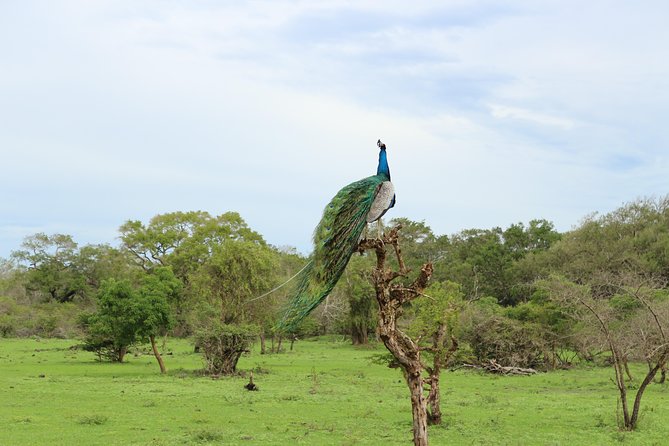
And binoculars are genuinely useful on this route. Many of the best moments are watching birds—often from boats, lookouts, or at the edge of water—not from a perfect open field.
Day 1 in Negombo Lagoon: herons, a boat ride, and an easy start
You land and get transferred to your hotel in Negombo. If you have extra time, there’s room for a local flavor add-on: the fish market and St. Mary’s church, plus the chance to get your bearings quickly.
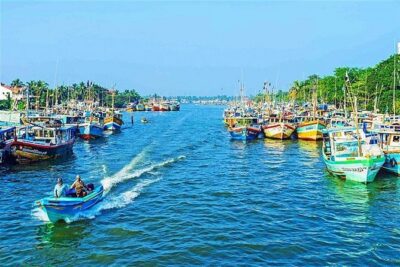
The standout on Day 1 is the Negombo Lagoon boat trip. This is a calmer way to start a wildlife tour, and it sets expectations: birds are everywhere here. The lagoon area is described as full of herons and many bird types, with an island where you can enjoy local fruits. If you’re the kind of traveler who enjoys messy little surprises, you can even feed monkeys if you’re interested.
My practical advice: keep your camera ready but don’t chase every animal. Lagoon birds tend to move in patterns—if you hang back, you often get better shots and less jostling.
More wildlife days out of Negombo

Wilpattu National Park and Anuradhapura: mixing big wildlife with old cities
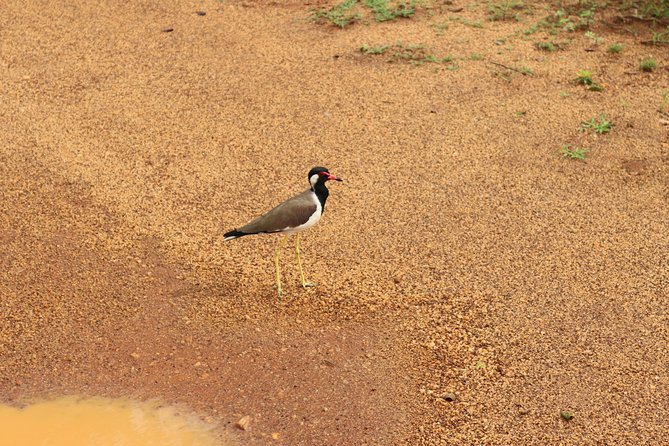
Day 2 heads to Wilpattu National Park. You’ll have lunch on arrival, then go into safari time. The day note emphasizes getting back out before 6 pm, which matters because wildlife activity and safety both tend to be better within planned park hours. Safari time here is listed as 4 hours.
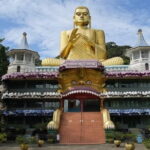
Then you transition toward Anuradhapura, staying overnight at a hotel there. Day 3 continues the cultural side by exploring the ancient city and then heading to Dambulla for the Dambulla Cave Temple.
Two things I like about this pairing. First, it prevents the trip from becoming only heat-and-horizon searching. You get a real sense of Sri Lanka beyond parks. Second, it helps you break up the long-distance travel mentally—temple stops give you a chance to stretch, slow down, and refocus for the next wildlife day.
Kaudulla or Minneriya and Sigiriya’s Lions Rock: elephants plus one of Sri Lanka’s icons
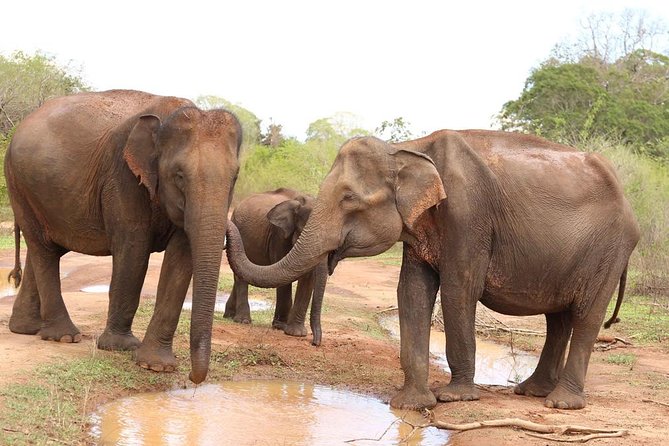
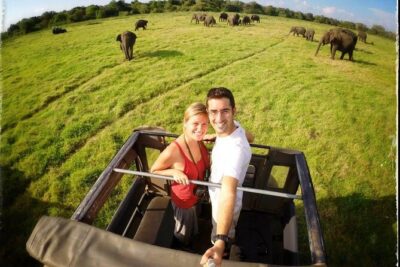
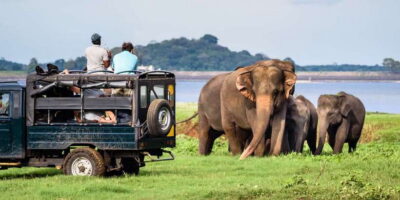
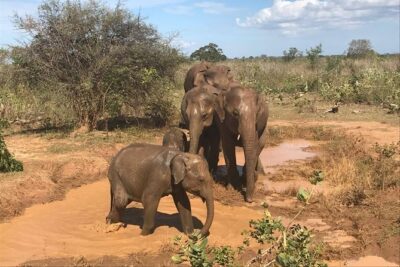
Day 4 is where wildlife and views stack up. In the morning, you go into Kaudulla National Park or Minneriya National Park for safari time. The schedule specifically calls out capturing hundreds of elephants and seeing many bird types.
Then the day pivots to Sigiriya, with an evening visit to Lion’s Rock. This is a nice balance: elephants in a natural setting by day, then a world-famous landmark when you still have energy to climb and look around.
Important expectation-setting: you can’t guarantee any specific animal on any safari. But the way this day is set up—morning safari in parks known for strong elephant presence—gives you a clear chance at the trip’s biggest “wow” moment.
Nuwara Eliya, tea country, Peradeniya, and Horton Plains birding
Days 5 and 6 turn the trip into bird and tea country at the same time.
Day 5 is a long transfer into Nuwara Eliya with several stops along the way:
- Kandy and Peradeniya Royal Botanical Garden
- Ramboda tea factory and tea estate visits
- Ramboda waterfall
After that, you explore Nuwara Eliya on your own time and check in for the night.
Day 6 starts early with a drive to Horton Plains National Park, with a packed breakfast. This park day is described as full of birds, including endemic birds to Sri Lanka. You’ll also have birding time around a lake boat ride on the return, plus a stop for Moonplains.
This is the part of the trip where I’d tell you to slow down and stop thinking only in terms of “seeing animals.” Horton Plains is where birding becomes the main sport. If your priority is wildlife sightings, you’ll still likely see interesting fauna—but the emphasis is on bird variety and photo opportunities.
Ella by tea train and Tissa Lake herons: a change of pace that stays wildlife-focused
Day 7 is a switch in scenery and rhythm. You travel by train from Nanu Oya to Ella on the tea route, then drive to Tissamaharama.
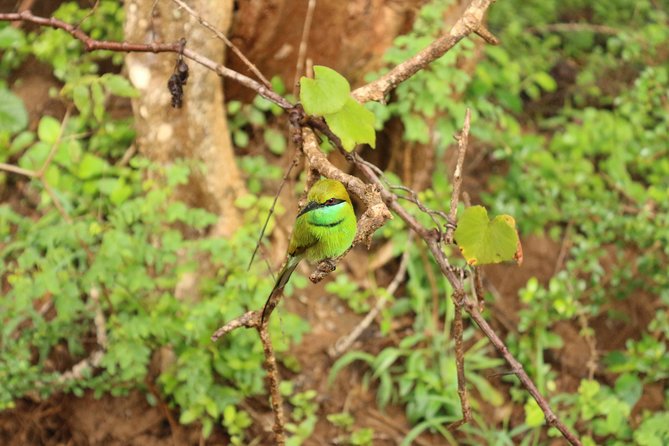
In Tissamaharama, the centerpiece is a boat ride on Tissa Lake, with plenty of birds and “almost all the types of herons in Sri Lanka.” Whether you’re using binoculars or your lens, a lake boat day is one of the best ways to get repeated bird sightings without constantly driving.
My tip for the train day: keep your camera and a light layer ready. Tea-country train rides tend to make you want to stop filming everything, but the moving views can also be the easiest way to collect “Sri Lanka in motion” photos.
Yala National Park: your long safari day
Day 8 is a full-day safari in Yala National Park—listed as 10 hours. This is your biggest, most stretched wildlife day after Kaudulla/Minneriya.
For Yala, the practical way to plan is simple:
- Bring patience.
- Keep expectations flexible.
- Use the long hours to focus on patterns: where the animals move, where birds feed, and how the light changes.
The tour’s broader wildlife promise mentions major species possibilities across Sri Lanka, but Yala is the point in the schedule where you have the most sustained time to look for big-game sightings. Even if the “headline animal” doesn’t show, you can still come away with strong birding and behavior moments.
Sinharaja Forest Reserve: rain-forest birding over two full days
Days 9 and 10 are dedicated to Sinharaja Forest Reserve, described as the biggest rain forest in Sri Lanka.
Day 9 includes a long drive (about 4 hours) to get there, check in, and do bird photography around the hotel area at night. Day 10 is a full day in the forest—listed as 8 hours.
This is where your earlier packing choices pay off. Rain gear, proper shoes, and dark clothing become more useful because you’re moving through forest conditions, not just observing from a vehicle. Also, in a rain forest, birds can be easier to spot by sound and movement than by open-field visibility. A binocular helps you confirm what you’re hearing and seeing.
If you’re serious about nature photography, Sinharaja is the part of the trip that feels most “earned.” You’re not just passing by a park name on a map; you’re spending the time that bird species and forest rhythms require.
Ratnapura gem country and Muthurajawela wetland photography
Day 11 is the return leg to Negombo, with a stop through Rathnapura. The schedule includes a visit to a gem mine, where you can see how mining and finding gems works. It’s a very different kind of “wildlife trip” moment—more human industry than animal sightings—but it breaks up the drive with something you can’t see everywhere.
Day 12 is Muthurajawela Marsh, described as a best place for wetland photography, with many birds. After that, there’s an evening seafood dinner at a restaurant, then you return to the same hotel.
If you like bird photography, this is a strong closer. Wetlands tend to offer repeated opportunities: birds come to water, feed, and perch in predictable spots. It’s the kind of day that lets you experiment with camera settings without needing to spot an animal “at the perfect second.”
Finishing at the Negombo fish market: one last real local scene
Day 13 keeps things grounded with the Negombo fish market. After that, you check out based on your flight time and head to the airport.
I like ending this way because it closes the wildlife theme with something equally Sri Lankan: the coast’s daily life. And it gives you one last chance for photos that don’t require wildlife luck.
Value check: what’s included, what’s not, and how to budget smart
On paper, this tour looks like a huge value: you get an air-conditioned vehicle, and the price includes all fees and taxes. The schedule also includes pickup offered, and it’s private—so you’re not stuck sharing the day with strangers.
But your budget should still account for one line item:
- Site entrance tickets are not included
- Tips are not included
That means you should expect to pay for park/temple admissions as you go, especially on the big-ticket nature days like the national parks and Sinharaja.
My practical budgeting advice: before you travel, ask your operator to clarify which entrances you’ll pay on-site and which might be covered by the “all fees and taxes” note. The day descriptions sometimes list activities with admissions marked as free, but the overall inclusions clearly say entrances aren’t part of the package. Getting that straight before you arrive prevents stress later.
Who this tour suits best (and who should think twice)
This tour fits best if you:
- want a wildlife and bird-heavy plan across multiple habitats (lagoon, national parks, rain forest, wetlands)
- don’t mind early starts (6:00 am is your meeting time)
- like a mix of nature with meaningful cultural stops like Dambulla and the ancient city of Anuradhapura
- are okay with long travel days in exchange for seeing more of the island
You might want to think twice if you:
- want a slow, restful pace with minimal moving
- dislike jungle conditions or have limited comfort with uneven ground
- need everything fully “all-in” including entrance tickets and gratuities
Also, this is listed as requiring strong physical fitness. That doesn’t mean extreme hiking every day, but it does mean you should be prepared for active walking and long park hours.
Should you book this Sri Lanka Wildlife Tour?
I’d book it if your main goal is to see as much Sri Lanka wildlife and bird life as possible without spending months planning a complicated route. The combination of Wilpattu, Kaudulla/Minneriya, Yala, and Sinharaja is a smart spread of ecosystems, and the tea train plus tea country stops keep the trip from feeling one-note.
I’d also feel good about booking if you care about service quality. This trip has earned a strong overall score (5/5 based on three reports), and the standout praise centers on guiding that adapts and a driver who keeps the logistics smooth and predictable. If you value a clear plan without surprise add-ons, that’s exactly the strength to look for.
If you do book, your homework is simple: plan for entrance tickets, pack rain gear and good shoes, and treat the early starts as part of the wildlife game. Done right, this circuit gives you a real “Sri Lanka nature” story—elephants, birds, rain forest, and coast life all in one trip.
FAQ
How many people are in a group?
The tour is private and your group size is up to 3 people.
Where does the tour start?
It starts in Negombo, Sri Lanka.
How long is the tour?
The duration is about 13 days.
What time does the experience start?
The meeting start time is 6:00 am.
Is pickup offered?
Yes, pickup is offered.
What is included in the price?
The tour includes an air-conditioned vehicle and all fees and taxes.
What is not included?
Site entrance tickets and tips are not included.
Does the schedule include the tea train?
Yes. It includes a train journey from Nanu Oya to Ella.
Is entrance ticket cost included for parks and temples?
No. The package notes that site entrance tickets are not included.
What if the weather is bad?
The experience requires good weather. If it’s canceled due to poor weather, you’ll be offered a different date or a full refund.
What is the cancellation window?
You can cancel for free up to 24 hours in advance for a full refund.
More Negombo Wild Encounters
- Sri Lanka tours 12-Day wildlife Tour with driver,Car or Van and accommodations
★ 5.0 · 20 reviews - 14 Days/ 13 Nights -Sri Lanka Tour on Culture, Wildlife & Beaches
★ 5.0 · 9 reviews - 10 Days/ 9 Nights – Heritage Wildlife and Waves in Sri Lanka
★ 5.0 · 6 reviews - 7 Days Sri Lanka Tour Chauffeur Wildlife and Heritage Adventure
★ 5.0 · 6 reviews - 8 Days/ 7 Nights – Sri Lanka’s Culture Wildlife and Beaches
★ 5.0 · 5 reviews
More Loops Around the Island
- 8 Days tour in Sri Lanka with privet driver and accommodations
★ 5.0 · 472 reviews - Private Car & Driver for 07 Days Tour In Sri Lanka
★ 5.0 · 199 reviews - Most Popular Round Tour in Sri Lanka
★ 5.0 · 161 reviews - 7 Days Round Tour in Private Car/Van with Chauffer
★ 5.0 · 122 reviews - Customized Multi-Day Private Tour Packages in Sri Lanka
★ 5.0 · 77 reviews
Just added to the Negombo pages

Round-Island Road Trips, compared.
 ★ 5.08 Days tour in Sri Lanka with privet driver and accommodationsFrom $665472 reviews
 ★ 5.008 Nights in Magical Sri LankaFrom $690443 reviews
 ★ 5.0Flexi dates on all 5 to 7 days packages for car and English speaking driverFrom $425202 reviews
 ★ 5.0Private Car & Driver for 07 Days Tour In Sri LankaFrom $535199 reviews
 ★ 5.0Sri Lanka classic tour 8 Days with private driver,vehicle and H/B accommodationsFrom $623170 reviews
 ★ 5.0Most Popular Round Tour in Sri LankaFrom $80161 reviews
 ★ 5.010 Days Tour in Sri Lanka (Hotels with Breakfast & Luxury Car)From $775148 reviews
 ★ 5.05 Days Tour in Sri Lanka (Hotels with Breakfast & Luxury Car)From $400147 reviews
Browse the lists this tour appears in