
Reviewed · STREET FOOD & LOCAL EATS
3 Hour Private Colombo Street Food Tour
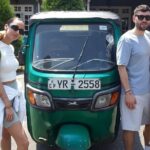
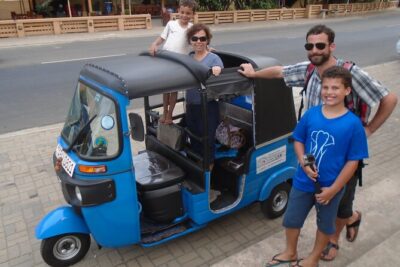
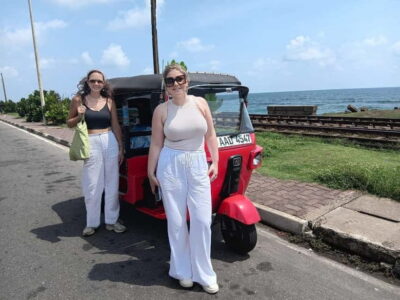
Colombo’s street food, delivered by tuk-tuk. This private tour is built for people who want both sights and snacks, riding in a convertible tuk-tuk with an English-speaking driver-guide named Blaze. I love the food-first approach—you’re not just wandering and hoping you pick the right stalls—and I also love how the route mixes classic Colombo landmarks with the places where local eating actually happens.
One thing to watch: if you’re traveling solo, ask up front what’s included for the food stops. There’s at least one solo experience where an extra payment was requested, so it’s smart to confirm totals before you roll.
In This Review
- Key points to know before you go
- Why a private Colombo street food tour in a convertible tuk-tuk works
- Meeting at Dutch Hospital and setting your Colombo rhythm
- Dutch colonial Fort → the Red Mosque → the Fort Clock Tower
- Pettah Market: where cassava chips and samosas happen
- Tea and spice stop at Zylen, then a breather at Galle Face
- Hotel De Pilawoos and the kothu you came for
- Port City Colombo and a quick look at modern Colombo
- Sri Kaileswaram area and Independence Square: religion and nationhood
- Colombo Lighthouse and Lotus Tower: skyline points that close the loop
- Pilawoos – Kollupitiya: rotti and sambol to end on flavor
- Price and logistics: what $39 gets you, and what to confirm
- Who this tour suits best in Colombo
- Should you book this Colombo street food tuk-tuk safari?
- FAQ
- How long is the Colombo street food tour?
- Is this tour private?
- Is pickup offered?
- What’s included in the price?
- Do I need to buy tickets for every stop?
- What food should I expect to try?
- What should I know about weather?
Key points to know before you go
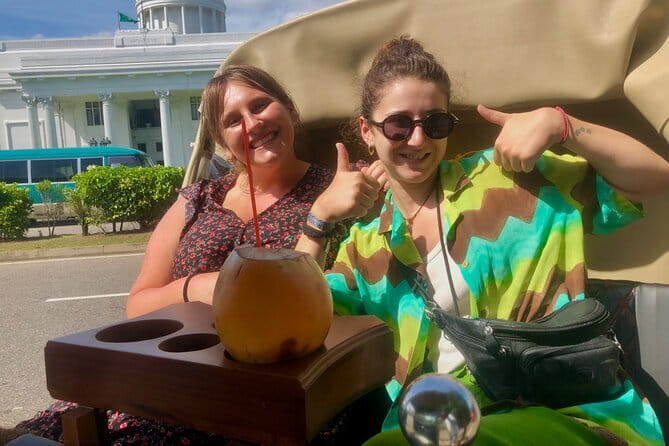
- Convertible tuk-tuk comfort for quick hop-to-hop sightseeing while you eat as you go
- Blaze’s driver-guide style that ties street food choices to the city around them
- Pettah Market as the sensory center, with snacks like cassava chips and samosas
- Kothu and sambol meals at well-known Pilawoos spots, not just random bites
- Major Colombo landmarks worked into the same loop (fort clock tower, lighthouse, Lotus Tower)
- Weather matters, since it’s a street-food style tour with outdoor stops
Still hungry? More Colombo food trails to follow
- Colombo Tuk Tuk City Tour -Sightseeing Entry Fees & Food Included★ 5.0 · 678 reviews
- Colombo Local Food Tour by Tuk Tuk – All Inclusive★ 4.9 · 261 reviews
- Colombo: Private City Tour with Local Food Tour by Tuk-Tuk★ 4.8 · 186 reviews
- The 10 Tastings of Colombo With Locals: Private Street Food Tour★ 4.5 · 71 reviews
- Colombo tuk tuk city tour -Entry Fees, and food Included★ 5.0 · 55 reviews
Why a private Colombo street food tour in a convertible tuk-tuk works
Colombo can feel like a lot at once. You’ve got colonial-era corners, religious sites, huge markets, and then the sea front—all in one compact city. Doing it with a guide in a convertible tuk-tuk means you spend less time guessing and more time actually eating.
This tour is priced at $39 per person, and the value comes from the combo: transport, an in-person English guide, multiple food stops, and entrance tickets for several sights. For a short visit, that’s the key. You get a plan, not just a taxi ride with snacks.
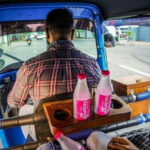
And yes, the tuk-tuk part is genuinely fun. It’s open-air enough to feel the day in Colombo, but structured enough that you’re not stuck in traffic forever. You also get bottled water, coffee and/or tea, and WiFi on board, plus a Bluetooth speaker if you want to play your own music during the drive.
Meeting at Dutch Hospital and setting your Colombo rhythm
You start at the Dutch Hospital Shopping Precinct on Hospital St (right near Colombo Fort). The Dutch Hospital building is considered the oldest structure in the Fort area dating back to Dutch colonial times, so it’s a good first stop to orient yourself fast.
You’ll likely spend about 15 minutes here, with an admission ticket included. What I like about starting at a landmark like this is that it frames what comes next. Colombo’s street food isn’t happening in a vacuum—it’s part of a city with layers of trade and colonial architecture.
From there, your driver-guide keeps the pacing steady. You’ll be moving through historic sites and then eventually winding into the market areas where the street food energy really starts.
Dutch colonial Fort → the Red Mosque → the Fort Clock Tower
This portion of the route is your “Colombo context” section.
Jami-Ul-Alfar Mosque (the Red Mosque) is your second stop, about 15 minutes, with admission included. It’s located in Pettah on Second Cross Street and described as one of the oldest mosques in Colombo. Even if you’ve seen other historic mosques, this one is worth your time because it anchors the Pettah area in real history instead of just loud street noise.
Next is the Colombo Fort Clock Tower, about 10 minutes, with admission included. The clock tower was once associated with a lighthouse function, and while the lighthouse part is no longer operational, the tower remains as a clock tower. This is a quick photo moment, but it’s also a useful landmark to understand where you are in relation to Colombo Fort.
Between these stops, the guide’s job is more than logistics. You’re being pointed toward what to notice—where people walk, how neighborhoods connect, and why certain foods show up in certain areas.
Other private drivers and cars for the long road
Pettah Market: where cassava chips and samosas happen
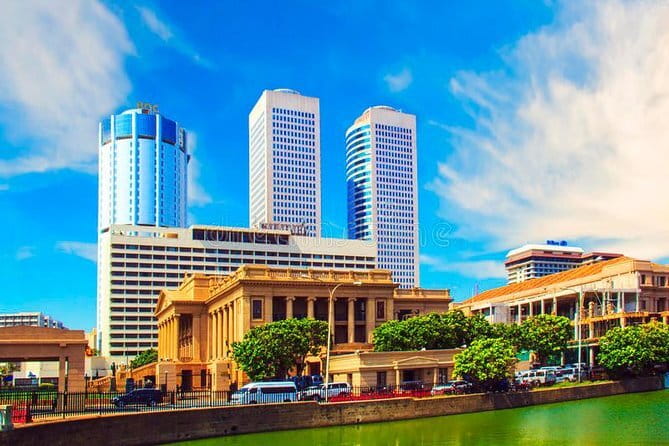
Pettah is the moment your senses get turned up. Your tour gives you about 15 minutes here, again with admission included.
This is where you get the local street-food starter pack. The tour description specifically calls out snacks like cassava chips and samosas. That matters because it’s not random: you’re learning what you’re eating and how it fits local tastes, not just collecting food photos.
Pettah also does something practical. It trains your eye. After Pettah, you’ll spot vendors faster, understand what people are buying for themselves, and feel more confident navigating Colombo’s market rhythm.
If you’ve only got a day in Colombo, this is one of the best uses of your limited time. It compresses the city’s street culture into something manageable.
Tea and spice stop at Zylen, then a breather at Galle Face
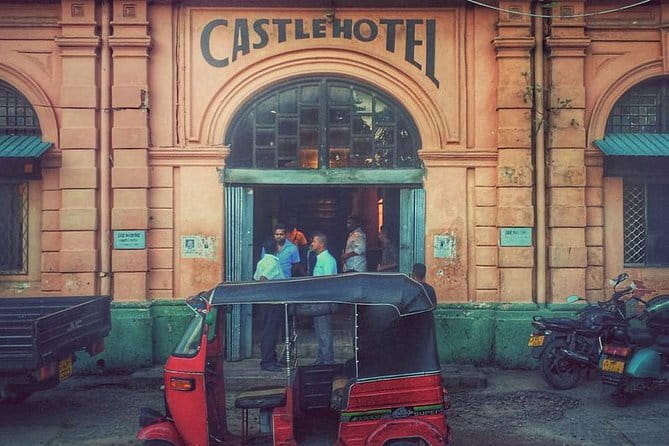
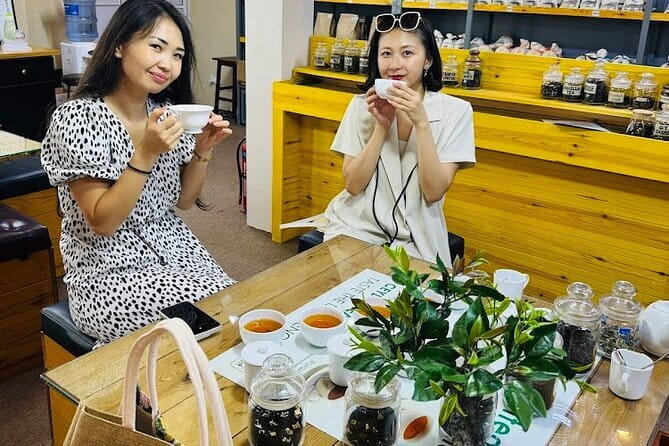
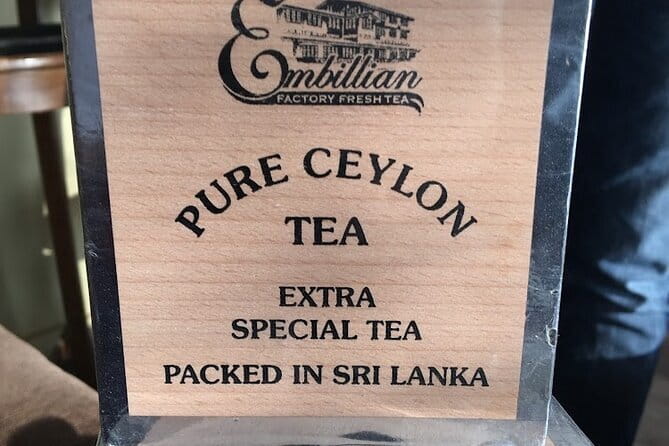
After Pettah, the route shifts gears with a stop at Zylen Tea. You’ll have about 20 minutes here, with admission included. It’s specialized in retail and wholesale tea, spices, and coffee.
Even if you don’t buy anything, a stop like this gives you a shopping baseline. It helps you recognize the kinds of flavors Sri Lankans reach for in everyday cooking and roadside food. And if you want to bring something home, this is the kind of place where you might feel more comfortable making a purchase than you would just wandering into any store.
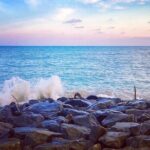
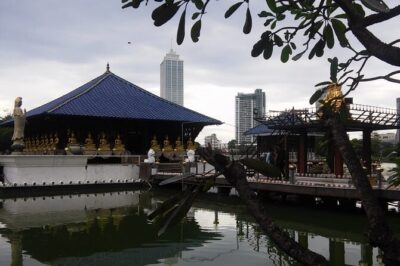
Then you move to Galle Face Beach, about 35 minutes, and this stop is free. The tour frames it as an urban park along the coast, stretching about 500 meters along the shoreline. This is your reset button. Salt air. A slower pace. Time to cool down after the market heat.
It’s also a nice contrast in scenery. Street food in Sri Lanka is often best understood with a view of daily life, not just the food itself.
Hotel De Pilawoos and the kothu you came for
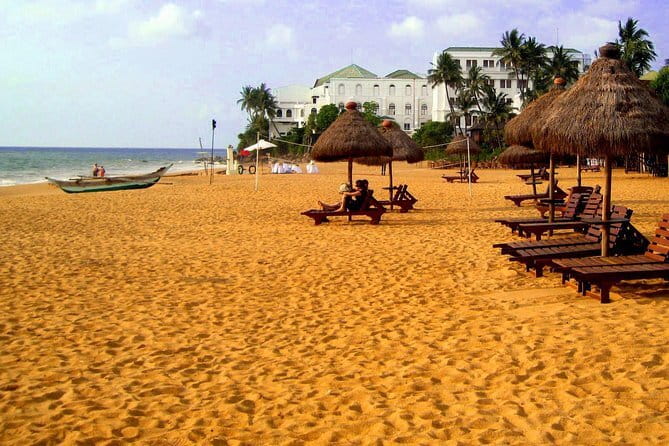
When the tour gets to the food anchors, the timing starts to make sense. You’ll stop at Hotel De Pilawoos for about 30 minutes, and this stop is listed as free.
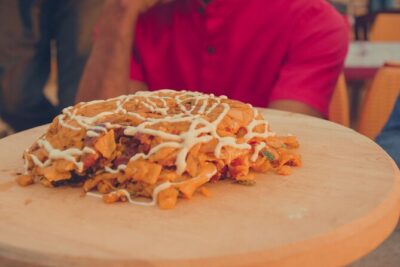
This is described as especially authentic for Sri Lankan kothu. The big win here is that the tour isn’t trying to cram in too many tiny tastings with no structure. You get at least one clear sit-and-eat moment, and kothu is a dish name people use for a reason: it’s a signature.
A private guide also helps you avoid the common mistake of chasing the loudest-looking stall. A good driver-guide helps you choose places that fit the tour’s plan, your timing, and the kind of flavors you actually want to try.
Port City Colombo and a quick look at modern Colombo
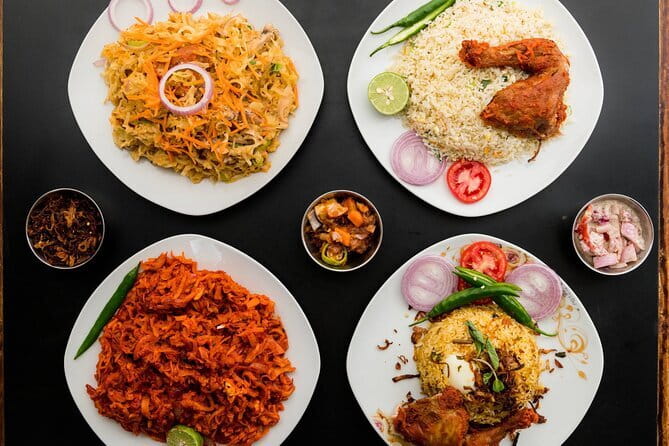
Next up is Port City Colombo, about 30 minutes, and listed as free. The description says it’s a multi-services special economic zone and that construction is ongoing on reclaimed land.
This stop gives you a modern-city counterpoint to the older landmarks earlier in the day. It’s not a museum visit kind of stop; it’s more of a “see where the city is heading” moment. If you like understanding how cities change, this helps complete the picture.
And because the rest of the day includes tall landmarks and viewpoints, the Port City break keeps the mental load from getting too heavy.
Sri Kaileswaram area and Independence Square: religion and nationhood
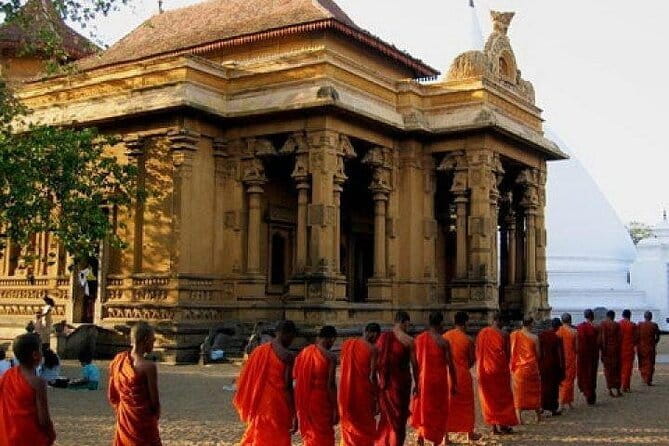
You’ll then head to Temple Of Sri Kailawasanathan Swami Devasthanam Kovil in Maradana, in Captain’s Garden area. It’s described as the oldest Sivan Kovil in Colombo, and the admission ticket is listed as not included. You’ll have about 10 minutes.
This is a quick stop, but it adds another real layer to the day: Colombo isn’t just street eats and seaside walks. It also has major religious places that shape daily life.
After that comes Independence Square with the Independence Memorial Hall nearby. This is about 15 minutes with an admission ticket included. It’s a national monument built to commemorate independence from British rule, with a restoration mentioned in the description.
This segment shifts from local religious roots back to national identity. It’s not the longest stop, but it’s a useful change of pace after the market and food time.
Colombo Lighthouse and Lotus Tower: skyline points that close the loop
Two landmark stops finish out the “see Colombo” half of your day.
First is Colombo Lighthouse, about 10 minutes with an admission ticket included. It’s operated and maintained by the Sri Lanka Ports Authority and located at Galbokka Point on the waterfront along the Port of Colombo.
Then you’ll go to Colombo Lotus Tower for about 15 minutes with an admission ticket included. The tower is listed as 351.5 meters tall, and the description notes it as a symbolic landmark. This is a clear skyline moment—one of the easiest ways to leave Colombo with a strong visual memory.
If you like your tours with a payoff at the end, this is it. You get tall, unmistakable landmarks after you’ve already spent hours in low, street-level spaces.
Pilawoos – Kollupitiya: rotti and sambol to end on flavor
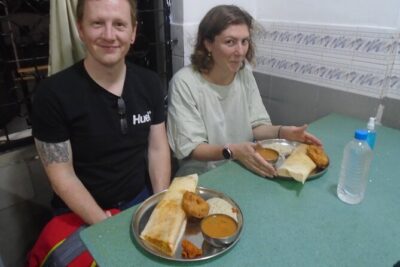
Your last food stop is Pilawoos – Kollupitiya, about 15 minutes, and the admission ticket is listed as not included. This is the stop that’s described as rotti and sambol.
The fact that the tour highlights sambol again matters. Sambol is a key part of Sri Lankan flavor—often spicy, often bright—and placing it near the end helps the day land with a clear taste. It’s also a good way to balance the earlier kothu stop without repeating the exact same dish.
Because the last stop’s ticket isn’t listed as included, I recommend you treat this portion as the one where a little extra spending might happen, depending on what’s ordered.
Price and logistics: what $39 gets you, and what to confirm
Let’s talk value without hand-waving.
At $39 per person, you’re paying for a private experience with:
- An English-speaking in-person guide (driver-guide in a convertible tuk-tuk)
- Bottled water
- Coffee and/or tea
- WiFi on board
- A city map
- Snacks
- Multiple included admission tickets across the day
- Several free stops, including the beach and key food locations
That’s a lot for one booking, especially when you remember that you’re not arranging separate entry tickets and transport by yourself.
The only real “watch item” is coverage for food costs at the stops marked as not included. One solo experience involved an extra 2,000 rupees request for food, so if you’re traveling solo—or if the group is small—ask the guide what’s included before you start eating. It’s the simplest way to avoid a surprise.
Also note the tour requires good weather. Since it’s structured around street-level stops and outdoor landmarks, poor weather could affect timing or comfort.
Who this tour suits best in Colombo
This is a great fit if:
- You want a first-day plan that mixes city sights with actual street food
- You prefer private guiding over self-navigating Pettah
- You like your street food with context—what you’re eating and why it belongs here
- You’re short on time and want a full loop across Colombo’s major highlights
It may be less ideal if:
- You hate marketplaces or don’t like crowded street energy
- You want only food with zero sightseeing
- You’re very sensitive to weather since the tour is outdoors in multiple spots
One more practical point: the tour is near public transportation and starts at Dutch Hospital, so if you ever need to regroup, you’re not far from a lot of city connections.
Should you book this Colombo street food tuk-tuk safari?
I’d book it if your goal is one day in Colombo that feels organized, flavorful, and real. The combination is the selling point: Blaze-style guiding, convertible tuk-tuk transport, market snacks like cassava chips and samosas, and then the bigger tastings at Pilawoos with kothu plus rotti and sambol.
Just do two small things before you go. First, confirm what’s included for the last food stop(s) so solo travelers don’t get caught off guard. Second, plan for good weather since it’s built around street-level viewing and walking time.
If you handle those, this is a strong value way to eat like a local and still leave Colombo with photos of the lighthouse and Lotus Tower in the same day.
FAQ
How long is the Colombo street food tour?
The tour is listed as about 4 hours.
Is this tour private?
Yes. It’s a private tour/activity, and only your group participates.
Is pickup offered?
Pickup is offered.
What’s included in the price?
Included items are bottled water, coffee and/or tea, WiFi on board, a Bluetooth speaker you can use to play your own music, an English in-person guide, a city map, and snacks.
Do I need to buy tickets for every stop?
Not all stops require the same ticket type. Some stops include an admission ticket, some are free, and at least one stop is marked as admission not included.
What food should I expect to try?
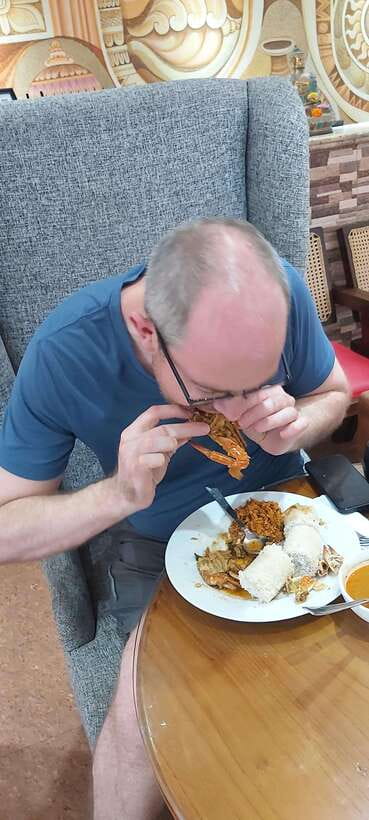
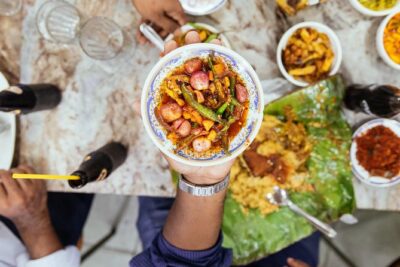
The tour description highlights street foods like cassava chips, samosas, crab curry, sambol, and ice-cream, and the route also points to kothu at Hotel De Pilawoos and rotti and sambol at Pilawoos – Kollupitiya.
What should I know about weather?
The experience requires good weather, and if it’s canceled due to poor weather, you’ll be offered a different date or a full refund.
More Short Colombo Outings
- 3 hour cooking experience
★ 5.0 · 8 reviews
More Cars and Drivers for the Road
- Colombo: Private Tuk-Tuk City Tour with All Entry Fees
★ 4.9 · 2,154 reviews - Sri Lanka Personal Tour Driver in private vehicle
★ 5.0 · 747 reviews - Colombo Private Tuk-Tuk City Tour with All Entry Fees Included
★ 5.0 · 524 reviews - Colombo: Private Tuk-Tuk City Tour with Guide & All Tickets
★ 4.9 · 471 reviews - Flexi dates on all 5 to 7 days packages for car and English speaking driver
★ 5.0 · 202 reviews
One More Plate in Colombo
- Colombo Tuk Tuk City Tour -Sightseeing Entry Fees & Food Included
★ 5.0 · 678 reviews - Colombo Local Food Tour by Tuk Tuk – All Inclusive
★ 4.9 · 261 reviews - Colombo Express Food Tour with 9 + Tastings
★ 5.0 · 200 reviews - Colombo: Private City Tour with Local Food Tour by Tuk-Tuk
★ 4.8 · 186 reviews - The 10 Tastings of Colombo With Locals: Private Street Food Tour
★ 4.5 · 71 reviews
Just added to the Colombo pages

Street Food & Local Eats, compared.
 ★ 5.0Colombo Tuk Tuk City Tour -Sightseeing Entry Fees & Food IncludedFrom $34678 reviews
 ★ 4.9Colombo Local Food Tour by Tuk Tuk – All InclusiveFrom $36261 reviews
 ★ 5.0Colombo Express Food Tour with 9 + TastingsFrom $35200 reviews
 ★ 4.8Private City Tour with Local Food Tour by Tuk-TukFrom $32186 reviews
 ★ 4.5The 10 Tastings of Colombo With Locals: Private Street Food TourFrom $9771 reviews
 ★ 5.0Colombo tuk tuk city tour -Entry Fees, and food IncludedFrom $3055 reviews
 ★ 4.9Tastiest Local Food Tour by Tuk-Tuk Meals IncludedFrom $3243 reviews
 ★ 5.0Rustic taste & Cultural tales Food Tour ColomboFrom $7043 reviews
Browse the lists this tour appears in