
Reviewed · MARKET & CURRY COOKING CLASSES
3 hour cooking experience
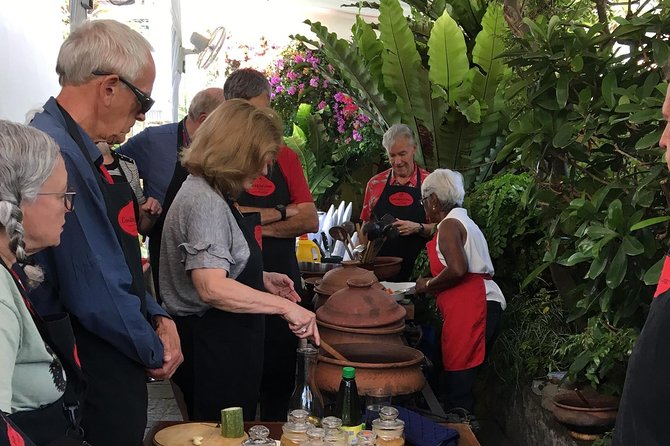
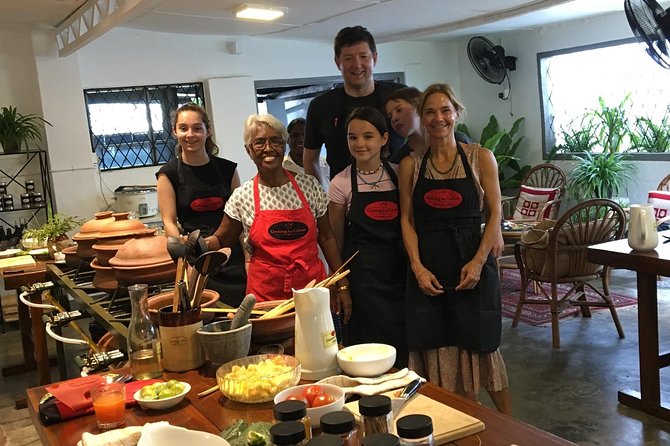
Cooking by Colour turns Colombo food into a lesson you can repeat. With Chef Mohara Dole, you’ll get hands-on time making classic Sri Lankan dishes and learning how the flavors fit together on a real stove.
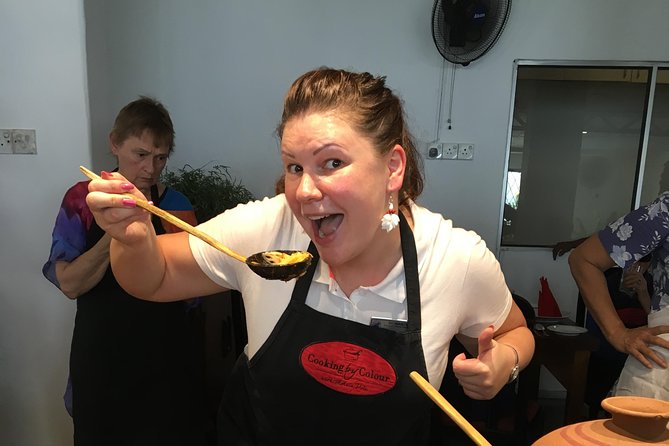
I love that this class isn’t just watching; you’re actively cooking curries, rices, and sambols, including vegetables and seafood, and you’re given recipes afterward. I also like the personal feel from meeting Mohara in her home and cooking studio, with her enthusiasm making the whole experience feel welcoming. One consideration: the session is only about 3 hours, so you’ll cover a lot, but you won’t get deep mastery of every single technique.
In This Review
- Key Things That Make This Class Worth Your Time
- Why a Sri Lankan Cooking Class in Colombo Feels More Real
- Meeting Chef Mohara Dole and Getting Oriented at the Stove
- Curries You’ll Cook: From Eggplant to Seafood (and Beyond)
- Rice Choices That Change the Whole Meal
- Sambols: The Side That Teaches You the Nation’s Flavor Logic
- Dinner, Ingredients, and What You Actually Get to Eat
- Recipes You Can Use Again at Home
- Price and Value: Is $60 a Good Deal for 3 Hours?
- Timing and Location That Affect Your Day Plan
- Who This Cooking Experience Is Best For (and Who Might Skip It)
- Should You Book Cooking By Colour With Chef Mohara Dole?
- FAQ
- How long is the cooking experience?
- What is included in the price?
- Are alcoholic beverages included?
- Where do I meet for the tour?
- Is this experience private?
- Can I cancel for a full refund?
Key Things That Make This Class Worth Your Time
- Chef Mohara Dole’s hands-on teaching in her home and cooking studio, with a warm, energetic vibe.
- A wide spread of dishes you’ll make, from curries using ingredients like eggplant, lotus root, and beetroot to chicken and seafood options.
- Rice education that goes beyond one option, including basmati, red raw rice, and samba.
- Sambols as a core skill, not an afterthought, so you learn how they fit with the rest of the meal.
- You take recipes home, which is the difference between a nice meal and a skill you can use later.
Market-to-table cooking classes worth a morning
- Market Tour and Hands-On Cooking Class Colombo★ 5.0 · 140 reviews
- Cooking Class Sri Lanka with Locals★ 5.0 · 101 reviews
- Colombo Cooking Experiance with Explore Market★ 4.7 · 33 reviews
- Vegan Cooking Class Colombo with Market Tour★ 5.0 · 9 reviews
- Authentic Sinhalese Cooking Class in Colombo with a Local Family★ 5.0 · 9 reviews
Why a Sri Lankan Cooking Class in Colombo Feels More Real
I like tours that shortcut the distance between a country’s food and your own kitchen. This one does that. Instead of treating Sri Lankan cuisine like a slideshow, you’re working at the stove with a cook who knows the logic behind the meal.
You’ll also feel the cultural side in a practical way. Sri Lankan cooking is built around how dishes work together—curries with rice, sambols alongside the main food, and ingredients that reflect what’s easy to find and seasonal. You don’t just learn names. You learn what the meal is trying to do.
And because it’s a private tour/activity, it doesn’t feel like you’re squeezed into a crowded group line. You’re there to cook, ask, and actually pay attention.
Meeting Chef Mohara Dole and Getting Oriented at the Stove
This experience starts with you joining Chef Mohara Dole where she teaches in her home and cooking studio setting. One review highlights how gracious the welcome is, which matters more than you might think. When the host is comfortable sharing tips, you get more from the class.
Expect a guided flow where you help prepare the meal. You’ll learn about traditional foods and then put that knowledge into action—at least for the key dishes you’re making. With a 3-hour length, the class moves at a steady pace, so come with the right mindset: focus on learning the basics you can recreate, not on perfect knife skills.
Practical tip: if you’re the type who forgets what you’re doing mid-recipe, slow down and take notes as you go. You’ll get recipes, but the little choices and timing cues are the part that helps when you cook again later.
Curries You’ll Cook: From Eggplant to Seafood (and Beyond)
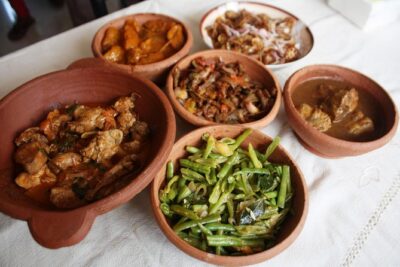
The heart of Sri Lankan cooking here is the curry side of the menu. You’ll learn many traditional Sri Lankan foods with Mohara’s help, including a range of curries. The types listed include loofah, eggplant, lotus root, chicken, seafood, and beetroot. That variety is a big deal for you if you cook at home—because it broadens what you can make later instead of locking you into one flavor profile.
Here’s what this kind of curriculum gives you:
- You see how different ingredients get treated within the idea of a curry.
- You learn the building blocks of a meal structure (what goes where) rather than only tasting one finished dish.
- You get the chance to compare vegetable-forward curries with meat and seafood versions during the same session.
A class like this is also useful if you’re picky about adapting recipes. When you’ve cooked multiple curry types yourself, you’ll have more confidence swapping ingredients at home. You don’t have to start from zero.
One small caution: because the class is compact, you may not spend the same amount of time on every single dish you cook. It’s designed as a cultural adventure for food lovers and it covers a lot, so you’ll want to pay attention to the techniques you think you’ll repeat most.
More short Colombo outings, done in an afternoon
Rice Choices That Change the Whole Meal
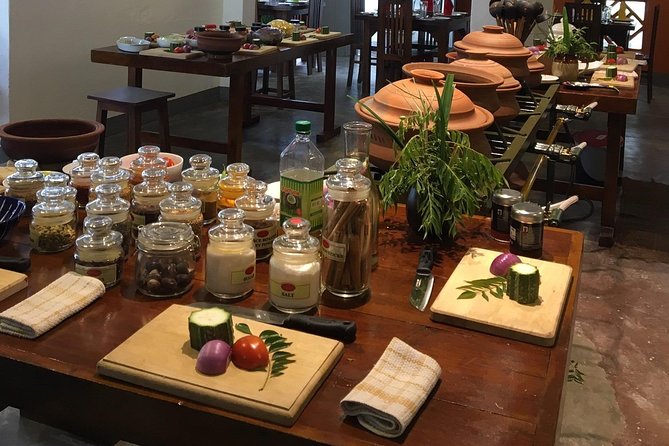
Sri Lankan meals don’t rely on one “default” rice. This class specifically covers basmati, red raw rice, and samba. That matters because different rices can affect texture and how the meal feels on the plate.
Instead of just learning what to eat, you’re learning what makes a rice selection feel right with curries and sambols. If you’ve ever cooked a rice dish at home and felt like it didn’t match what you tasted while traveling, this kind of instruction is the fix. You’re going to understand that rice is not interchangeable.
At home, this helps you plan. If you want to recreate the closest possible version of what you made, knowing the rice type makes the biggest difference early on. The class also gives you recipes for what you cook, which helps you avoid that frustrating step where you guess.
Sambols: The Side That Teaches You the Nation’s Flavor Logic
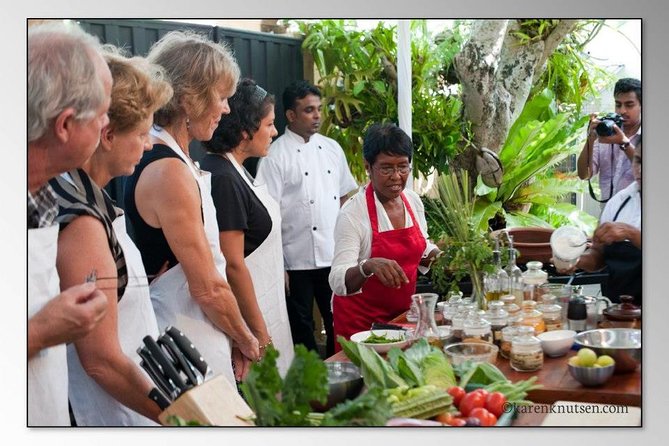
Sambols are one of those foods that people talk about because they’re bold and specific—yet they can be hard to recreate if you only eat them without learning. Here, you don’t just taste sambols. You learn about them as part of the full meal.
The class includes sambols as part of what you’ll work on during the session. That means your learning isn’t isolated. Sambols are taught in context—so when you assemble your plate, you understand what role they play alongside curry and rice.
For your kitchen, this is huge. A great sambol can turn a basic curry night into something that tastes like you’re eating the same cuisine for real, not just recreating the dishes loosely.
Dinner, Ingredients, and What You Actually Get to Eat
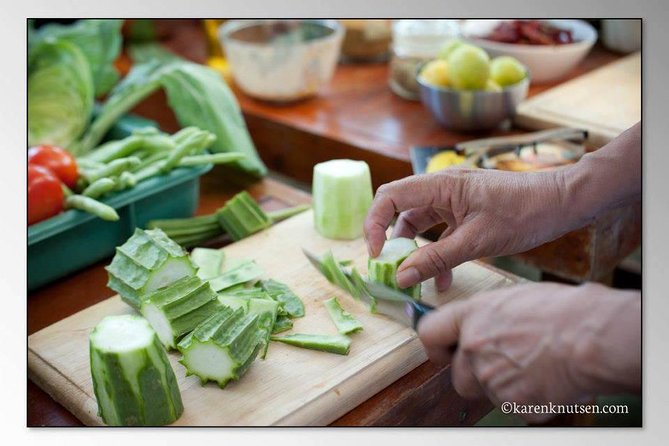
You’ll enjoy dinner as part of the experience, with ingredients for lunch/dinner provided. You also get bottled water and soda/pop. That’s a straightforward setup: the class gives you everything you need to cook and eat the meal you’re making.
One thing I like about this arrangement is that it keeps the focus on cooking. You’re not juggling ingredient shopping, and you’re not worrying whether you brought the wrong basics. Your job is to cook, learn, and then eat what you made.
Alcoholic beverages are not included. If that matters for you, plan for it separately, since the class is built around the cooking and meal experience rather than an alcohol-forward evening.
Recipes You Can Use Again at Home
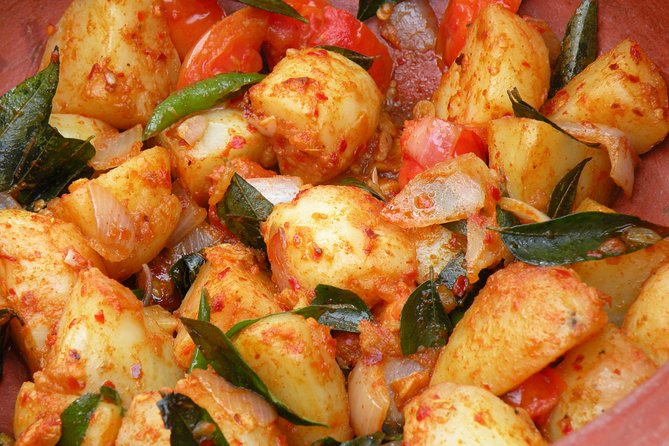
This is where the class earns its value. You receive the recipes of the foods you cook, so you can recreate them in your own home. That single detail turns a 3-hour experience into something that keeps paying off after your trip.
And there’s another layer. In a review response, Mohara notes that you can call for guidance. That’s not something you see often. It suggests the recipes aren’t just handed over and forgotten. If you hit a snag while recreating a curry or sambol, you have a real point of contact.
How to use the recipes effectively:
- Cook the most memorable dish first at home, not the one that felt easiest.
- Keep the rice type in mind (basmati vs red raw rice vs samba).
- Don’t treat sambols as optional. Recreate them even if you think you might skip them.
Price and Value: Is $60 a Good Deal for 3 Hours?
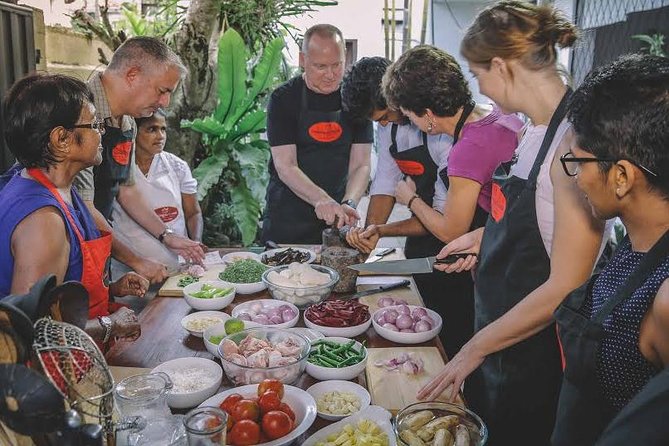
At $60 for about 3 hours, you’re paying for three things at once: instruction, ingredients, and a meal you cook and eat. In practical terms, that’s a fair trade if you want real skill transfer and not just a tasting.
Here’s why it’s good value for the right person:
- You cook multiple dish types (curries, rice varieties, sambols) rather than one small demo.
- Ingredients and water/soda are included, so your out-of-pocket during the class stays predictable.
- The recipe handouts give you a “memory that becomes dinner,” which is the hardest part to replicate after a normal sightseeing day.
The main way $60 doesn’t feel like a bargain is if you’re expecting a long sit-down restaurant meal. This is a class. You’ll eat as part of the experience, but the goal is learning.
Timing and Location That Affect Your Day Plan
The activity runs within opening hours listed as 10:30 AM to 2:00 PM. That timing is ideal if you want to put cooking in the middle of a day of exploring, then go back out after with lighter stomach and full notes.
The meeting point is at 49 Park Ln, Sri Jayawardenepura Kotte, Sri Lanka, and the activity ends back at the meeting point. It’s also near public transportation, which helps if you’re not planning to hire a private driver for every outing.
Also, because it’s a private experience, it’s easier to coordinate with your own schedule—especially if you’re traveling as a couple or small group rather than a larger crowd.
Who This Cooking Experience Is Best For (and Who Might Skip It)
Book this if:
- You genuinely want to cook Sri Lankan food, not just taste it.
- You like hands-on classes where you get recipes and can recreate dishes later.
- You’re curious about a range of foods: vegetables like eggplant and lotus root, plus chicken and seafood.
- You care about learning rice and sambols as part of the full meal equation.
You might skip it if:
- You want a long, relaxed dinner with minimal time at the stove.
- You’re only interested in one single dish and don’t want to learn a broader set of curries, rice types, and sambols.
For food lovers who prefer practical learning, this is a strong match.
Should You Book Cooking By Colour With Chef Mohara Dole?
Yes, if your goal is to leave Colombo with more than photos. This class is built around hands-on cooking, a real Sri Lankan meal structure, and recipes you can actually use. You’ll work through curries (including options like eggplant, lotus root, beetroot, chicken, and seafood), learn rice choices (basmati, red raw rice, samba), and include sambols as part of the experience.
The one real trade-off is time. With only about 3 hours, you’ll cover a lot, so go in ready to focus on the key lessons you want to repeat at home.
If that sounds like your style, Cooking by Colour is a smart, memorable use of a half-day.
FAQ
How long is the cooking experience?
The class is about 3 hours.
What is included in the price?
Dinner is included, and all ingredients for lunch/dinner are provided. You also get bottled water and soda/pop.
Are alcoholic beverages included?
No, alcoholic beverages are not included.
Where do I meet for the tour?
The meeting point is 49 Park Ln, Sri Jayawardenepura Kotte, Sri Lanka. The activity ends back at the meeting point.
Is this experience private?
Yes. It’s a private tour/activity, and only your group participates.
Can I cancel for a full refund?
Yes. You can cancel up to 24 hours in advance of the experience’s start time for a full refund.
More Short Colombo Outings
- 3 Hour Private Colombo Street Food Tour
★ 5.0 · 13 reviews
One More Curry Pot
- Colombo Cooking Class
★ 5.0 · 151 reviews - Market Tour and Hands-On Cooking Class Colombo
★ 5.0 · 140 reviews - Cooking Class Sri Lanka with Locals
★ 5.0 · 101 reviews - Colombo Cooking Experiance with Explore Market
★ 4.7 · 33 reviews - Vegan Cooking Class Colombo with Market Tour
★ 5.0 · 9 reviews
Just added to the Colombo pages




Market & Curry Cooking Classes, compared.
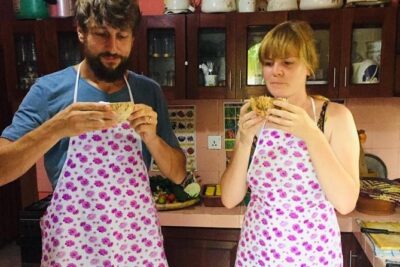 ★ 5.0Colombo Cooking ClassFrom $60151 reviews
 ★ 5.0Market Tour and Hands-On Cooking Class ColomboFrom $80140 reviews
 ★ 5.0Cooking Classes in Sri LankaFrom $45110 reviews
 ★ 5.0Cooking Class Sri Lanka with LocalsFrom $40101 reviews
 ★ 4.7Colombo Cooking Experiance with Explore MarketFrom $3533 reviews
 ★ 4.9Negombo Private Tour: Market, Temples & CanalFrom $1915 reviews
 ★ 5.0Vegan Cooking Class Colombo with Market TourFrom $809 reviews
 ★ 5.0Authentic Sinhalese Cooking Class in Colombo with a Local FamilyFrom $1489 reviews
Browse the lists this tour appears in