
Reviewed · COLOMBO CITY SIGHTSEEING TOURS
Colombo Social and Political Walk
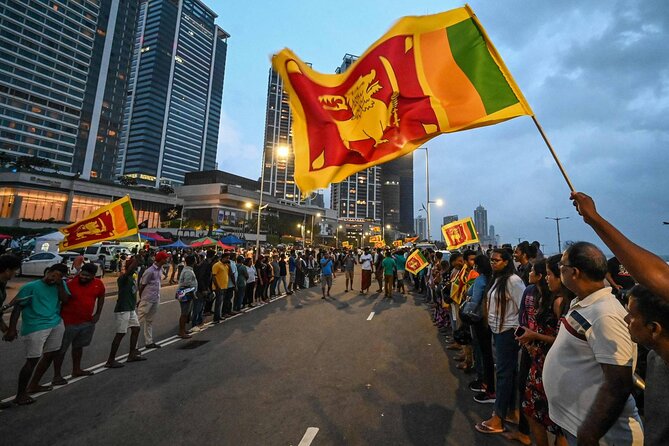
If you like politics with real street scenes, this helps. The Colombo Social and Political Walk uses a documentary-style flow to connect what you see around town to what’s happening in Sri Lanka now. It’s built for people who want thoughtful, first-hand context rather than slogans.
What I like most is the way the guide turns major places into living clues about social and economic pressures. I also love that the storytelling is described as balanced and non-biased, while still offering surprising answers. One thing to consider: this is politics-focused, and it’s designed for good weather and walking, so you’ll want comfortable shoes and a little stamina.
You’ll also get a tightly shaped route with stops that cover everything from daily commerce to government space. The pacing is about moving quickly but making the information stick, with the guide’s guidance shaping what you notice. A fair heads-up: with a small group cap of 25, it can feel more like an organized conversation than a casual sightseeing stroll.
In This Review
- Key highlights at a glance
- A Documentary-Style Colombo Walk That Starts When the City Shifts
- What You’re Actually Learning: Sri Lanka’s Social and Political System, Through Colombo Stops
- Colombo Port City: When Trade Meets National Reality
- Pettah Market: Economics You Can See Up Close
- Good Market and Tea Avenue (Dilmah Building): Corporate Presence and Consumer Life
- World Trade Center and Old Parliament: Power, Policy, and What It Means on the Street
- Independence Square and BMICH: From State-Making to Public Life
- Price and Group Size: Why $35.99 Can Be Good Value for This Format
- Logistics That Matter: Weather, Timing, and How to Get the Most Out of It
- Who This Tour Fits Best (and Who Should Skip It)
- Should You Book the Colombo Social and Political Walk?
- FAQ
- How long is the Colombo Social and Political Walk?
- What does the tour cost?
- What time does the tour start and where does it end?
- What stops are included on the walk?
- Do I need good weather to join?
- Is there free cancellation?
Key highlights at a glance
- Documentary-style storytelling that links modern events to earlier state-building
- Chami’s deep preparation for social and political context (and it shows in how he explains)
- Multiple Colombo lenses in 2.5 hours: ports, markets, corporate landmarks, and civic spaces
- A balanced, non-biased framing so you can form your own view
- Maximum 25 people, which keeps it from turning into a noisy parade
- Good weather needed, since the experience runs outdoors in the late afternoon
Fort, Pettah, Galle Face: more ways to see the city
- Colombo: Private Tuk-Tuk City Tour with All Entry Fees★ 4.9 · 2,154 reviews
- Colombo Tuk Tuk City Tour -Sightseeing Entry Fees & Food Included★ 5.0 · 678 reviews
- Colombo Private Tuk-Tuk City Tour with All Entry Fees Included★ 5.0 · 524 reviews
- Colombo: Private Tuk-Tuk City Tour with Guide & All Tickets★ 4.9 · 471 reviews
- Colombo Bay Tuk Tuk City Tour★ 5.0 · 244 reviews
A Documentary-Style Colombo Walk That Starts When the City Shifts
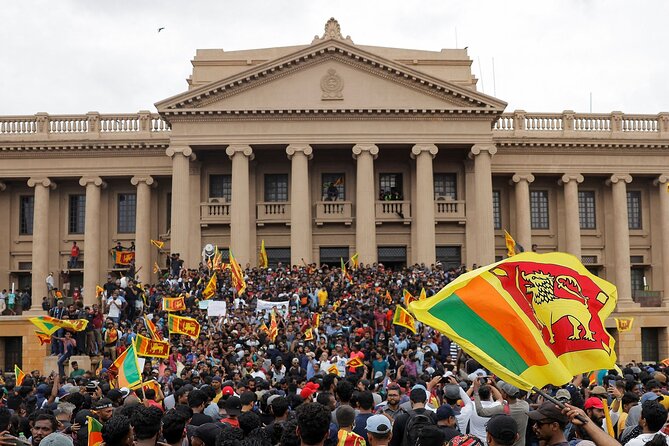
The walk runs for about 2 hours 30 minutes, starting at 5:00 pm and ending at BMICH. That timing matters. Late afternoon in Colombo is often when the day’s movement becomes clearer: commerce is active, people are out and about, and the city feels more readable than during a quiet morning.
The “documentary-like” part is important to understand before you go. This isn’t a route where you only get a few background facts and then free time. Instead, the tour is designed as an information-heavy, interactive story, so you’ll be expected to listen, connect, and ask yourself what the places mean in the larger Sri Lankan context.
It’s also built with a mobile ticket, which is one of those small modern comforts that keeps friction low. You won’t need to track down paper confirmations on the day, and it makes last-minute logistics simpler.
Finally, this is capped at 25 travelers. That’s a sweet spot. You get group energy, but you’re not disappearing inside a big crowd where questions die on the vine.
What You’re Actually Learning: Sri Lanka’s Social and Political System, Through Colombo Stops
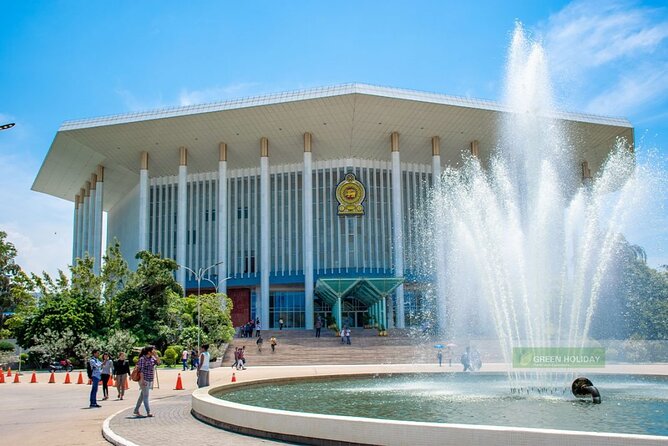
The walk frames Sri Lanka’s present crisis as something you can understand through the country’s systems, not just headlines. The experience description focuses on shortages that affect daily life, including disruptions tied to food, fuel, and electricity, and it connects those stresses to impacts on business and healthcare.
You’ll also cover the story of the modern state and how that shape affects today. The tour is described as covering both historical and current events, with a balanced and non-biased approach. The goal isn’t to hand you a finished opinion. It’s to give you the context—and then let you decide what you believe.
The practical value here is that politics stops being abstract. Instead of only learning terms, you’ll learn how ideas show up on the ground. How commerce operates. How public space is used. How institutional power feels when you stand near it. Even if you don’t agree with every interpretation, you’ll be better equipped to sort fact from noise.
And because the guide is positioned as an information source with real clarity, you can expect explanations that stay organized. One of the strongest signals from the guide’s reputation is how well informed he is—name mentioned in feedback as Chami—plus how clearly he connects the dots so the walk doesn’t turn into random facts.
Colombo Port City: When Trade Meets National Reality
You start at Colombo Port City, which is a logical opener if you want to understand Sri Lanka’s economic story. Ports and planned development areas tend to represent more than geography. They point to trade flows, investment ideas, and the practical realities of how a country earns and spends.
On this walk, Port City functions like a “big picture” setting. The guide’s documentary-style approach means you’re not just looking at the scene and guessing. You’re being guided toward an economic-political interpretation—how policy, global connections, and everyday outcomes can be linked.
A good way to get value from this stop is to treat it like your baseline. As you move through the markets and civic buildings later, you can compare how economic activity looks in different forms. The early contrast can make the rest of the route easier to understand.
Walk the old quarters: more Colombo heritage routes
Pettah Market: Economics You Can See Up Close
Next comes Pettah market, and this is where the tour’s focus on social conditions starts to feel tangible. Markets are the place where national pressures show up fast. When resources tighten, you often see it through pricing, availability, and the sheer pace of daily work.
On this walk, Pettah isn’t presented as just a shopping stop. It’s part of a narrative about how social and political forces shape daily life. The idea is that the country’s current crisis isn’t an idea floating in the news; it’s something people manage and adjust to in the middle of normal routines.
If you enjoy people-watching and want your sightseeing to mean something, Pettah is a strong anchor. But it can also be a visual and sensory overload. If you’re sensitive to crowds or noise, keep your pace steady and focus on the guide’s prompts rather than trying to read everything yourself at once.
Good Market and Tea Avenue (Dilmah Building): Corporate Presence and Consumer Life
After Pettah, you head to Good market, then on to Tea avenue – Dilmah Building. This stretch adds a different kind of context. Markets give you the street-level economy, while corporate and brand-linked spaces hint at how major industries and private-sector structures fit into national life.
Tea avenue and the Dilmah Building stop brings a specific kind of symbolism: a recognizable connection between Sri Lanka and tea, and between everyday consumption and larger economic systems. Even if you don’t shop or taste anything, the stop works as a teaching moment—helping you understand how economic identity and business infrastructure become part of national storytelling.
One practical consideration: these stops are more “sight-and-learn” than “wander freely.” The tour is time-based and narrative-based. If you try to turn the walk into independent shopping, you may slow the group and lose the thread of the story the guide is building.
World Trade Center and Old Parliament: Power, Policy, and What It Means on the Street
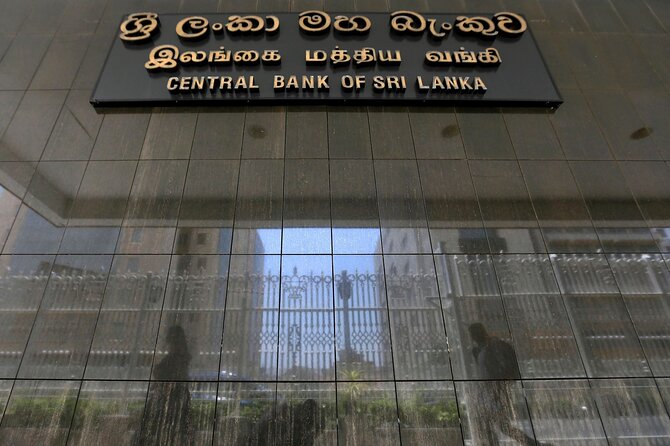
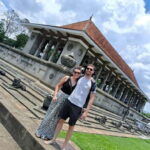
Then the tour turns toward institutional power with World Trade Center and Old Parliament. This is where the political theme becomes more direct. World Trade Center areas can represent global connections and governance-by-economics, while an old parliament location helps ground the narrative in how the state has historically been organized.
The walk description emphasizes a comprehensive analysis of social and political elements, from the creation of the modern state to current times. So these stops are likely to be where the guide connects past decisions to present structures, without pushing you to accept one single interpretation.
I like this part because it’s a reality check. It helps you move between two worlds:
- the world of commerce and institutions that shape economic behavior
- the world of public power that shapes rules, systems, and public response
If you want to make this part land, listen for how the guide frames trade and governance as connected rather than separate. When you see them side by side, it becomes easier to understand why policy decisions can ripple through business, healthcare, and daily access to basic supplies.
Independence Square and BMICH: From State-Making to Public Life
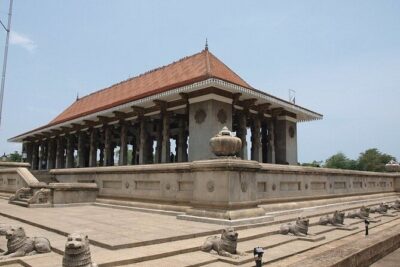
The final phase brings you to Independence Square and then BMICH (Bandaranaike Memorial International Conference Hall), where the walk ends. Independence Square is one of those places that usually signals identity and state history, and BMICH is the kind of venue that represents public gatherings, speeches, and formal life.
In a politics-and-economics walk, these stops act like closing arguments. They’re often where the guide ties earlier history to present circumstances and asks you to hold more than one idea at once. The point isn’t to force agreement. It’s to help you understand the tension between national ideals and how people experience government and services during hard times.
BMICH as an end point also makes practical sense: it’s a clear destination, and the experience finishes after you’ve collected a full set of context clues—from port and markets to governance-linked spaces. It feels like a complete loop, not a random collection of stops.
Price and Group Size: Why $35.99 Can Be Good Value for This Format
At $35.99 per person, this walk sits in the affordable-to-mid range for guided experiences in a major city. What makes the price feel fair is the combination of:
- a focused 2.5-hour format (so you’re not paying for an all-day commitment)
- a small group cap (maximum 25), which supports Q&A and interaction
- an explicitly story-driven approach, not just sightseeing
- a route that spans multiple “systems” of the city: commerce, industry branding, trade-linked space, and civic power
You’ll also see that it’s commonly booked about 19 days in advance. That’s usually a sign the tour is popular enough that you shouldn’t wait until the last minute—especially if you’re visiting during peak scheduling.
If you’re on a flexible plan, note the strong cancellation approach: free cancellation up to 24 hours in advance with a full refund when you cancel at least 24 hours before start time. That reduces risk if the weather turns.
Logistics That Matter: Weather, Timing, and How to Get the Most Out of It
Because this experience requires good weather, treat it like an outdoor walking walk, not a museum tour. Even if it’s not raining, humid heat and strong sun can affect how well you absorb a dense information program. Bring water and dress for walking.
The tour starts at 5:00 pm, so you’ll likely want to plan a light meal before you go. Late-day walking tours can feel longer than they are, especially when you’re absorbing heavy topics.
Also, keep the group size in mind. With up to 25 people, you’ll likely move at the pace the guide sets. That’s a plus if you like structure, and a drawback if you prefer total freedom. If you want to roam on your own for long stretches, this may not match your style.
And because the tour aims to be balanced and non-biased, don’t expect a one-note lecture. It’s more like a guided storyline where you’re meant to form your own view about Sri Lanka from the evidence you hear and the places you visit.
Who This Tour Fits Best (and Who Should Skip It)
This walk is a strong fit if you:
- care about politics and economics, not just landmarks
- want an organized way to understand Sri Lanka’s current situation
- like guided conversation and explanations that connect history to now
- enjoy learning while walking through real city spaces (markets and civic sites)
It’s less ideal if you want purely casual sightseeing, or if heavy political discussion makes you tune out. Also, if you have limited stamina for walking at 5 pm, you might want to look for a shorter or more relaxed option.
Should You Book the Colombo Social and Political Walk?
Yes—if your goal is to understand Sri Lanka beyond the quick headline version. This experience is built around a structured, documentary-style explanation and a route that links everyday places to the social and political system behind them. With Chami singled out as very well informed, you’re not just buying a path around town—you’re paying for guided clarity.
Book it especially if you’ll be in Colombo for a limited time and want one compact experience that touches multiple angles: trade and markets, institutional power, and public civic space. If you’re sensitive to weather or you’re mainly here for light sightseeing, you may prefer something less information-heavy.
FAQ
How long is the Colombo Social and Political Walk?
It runs for about 2 hours 30 minutes.
What does the tour cost?
The price is $35.99 per person.
What time does the tour start and where does it end?
It starts at 5:00 pm at The Kingsbury Colombo and ends at BMICH (Bandaranaike Memorial International Conference Hall).
What stops are included on the walk?
The experience includes stops such as Colombo Port City, Pettah market, Good market, Tea avenue – Dilmah Building, World Trade Center, Old Parliament, Independence Square, and BMICH.
Do I need good weather to join?
Yes. The experience requires good weather.
Is there free cancellation?
Yes. You can cancel up to 24 hours in advance for a full refund. If you cancel less than 24 hours before the experience starts, the amount paid is not refunded.
More Colombo Pavement to Cover
- Colombo Walking Tour with Ajeet De Soyza
★ 5.0 · 43 reviews - Glimpse Of Colombo City Walk
★ 4.5 · 11 reviews - Colombo Walking Tour With Ayurveda One Hour Body Massage
★ 5.0 · 6 reviews - Colombo Walking Tour With Ayurvedic Learning
★ 5.0 · 3 reviews - Private Colombo Walking Tour with a Local Guide
★ 5.0 · 3 reviews
More Ground to Cover on Foot
- Colombo Walking Tour with Ajeet De Soyza
★ 5.0 · 43 reviews - 6-Day Sri Lanka Heritage Private Tour
★ 5.0 · 31 reviews - Sri Lanka Private 3-Day Cultural Tour, 5 UNESCO Sites
★ 4.4 · 14 reviews - Colombo Heritage &Culture City Tour by Tuk Tuk ALL INCLUSIVE
★ 4.8 · 12 reviews - Glimpse Of Colombo City Walk
★ 4.5 · 11 reviews
The City, a Few More Ways
- Colombo: Private Tuk-Tuk City Tour with All Entry Fees
★ 4.9 · 2,154 reviews - Colombo Tuk Tuk City Tour -Sightseeing Entry Fees & Food Included
★ 5.0 · 678 reviews - Colombo Private Tuk-Tuk City Tour with All Entry Fees Included
★ 5.0 · 524 reviews - Colombo: Private Tuk-Tuk City Tour with Guide & All Tickets
★ 4.9 · 471 reviews - Colombo Bay Tuk Tuk City Tour
★ 5.0 · 244 reviews
Just added to the Colombo pages


Colombo City Sightseeing Tours, compared.
 ★ 4.9Private Tuk-Tuk City Tour with All Entry FeesFrom $232,154 reviews
 ★ 5.0Colombo Tuk Tuk City Tour -Sightseeing Entry Fees & Food IncludedFrom $34678 reviews
 ★ 5.0Colombo Private Tuk-Tuk City Tour with All Entry Fees IncludedFrom $32524 reviews
 ★ 4.9Private Tuk-Tuk City Tour with Guide & All TicketsFrom $22471 reviews
 ★ 5.0Colombo Bay Tuk Tuk City TourFrom $35244 reviews
 ★ 5.0Colombo City Tour By Tuk Tuk Sightseeing -Entry Tickets IncludedFrom $28202 reviews
 ★ 4.8Private City Tour with Local Food Tour by Tuk-TukFrom $32186 reviews
 ★ 5.0Explore Colombo by Tuk Tuk – All Entry Fees IncludedFrom $33176 reviews
Browse the lists this tour appears in