
Reviewed · OLD TOWN & HERITAGE WALKS
Colombo Walking Tour with Ajeet De Soyza
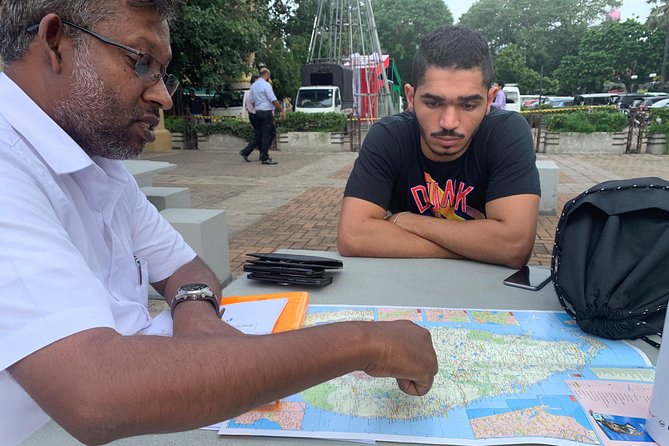
Colombo reads best on foot. This small-group walk with Ajeet De Soyza swaps bus-window sightseeing for real street-level angles and practical context. You get snacks and bottled water, plus a guide who keeps the city’s history connected to how Colombo works today.
What I like most is the balance: you see the colonial-era core around Colombo Fort and then shift into the working-city energy toward Pettah and the markets. The second big win is the format: you’re not rushed, and you can ask questions as you go instead of getting one-way facts dumped at you.
One possible drawback is that the tour can feel more like a story-forward walk than a quick highlight reel. If you’re heat-sensitive or you prefer a faster pace, plan for a slower rhythm on a warm day and come ready with water and comfy shoes.
In This Review
- Key highlights to look for
- The King’s Prison Cell: starting Colombo with 1815
- Dutch Hospital and Fort Clock Tower: the colonial core, at street pace
- Currency Museum, Cargills Building, and the Grand Oriental Hotel effect
- Red Mosque to TITUS Stores: faith and everyday Colombo
- Pettah’s Old Town Hall, bazaar streets, and the Fort Railway Station
- Gangaramaya Buddhist Temple: architecture that reflects multiple cultures
- Galle Face Hotel and Galle Face Green: where the tour finishes
- Price and value: what $30 really buys you
- Time on your feet: 3 to 4 hours in the real Colombo
- Who this walking tour suits best
- Should you book Colombo Walking Tour with Ajeet De Soyza?
- FAQ
- How long is the Colombo walking tour?
- What does the tour cost?
- How many people are in the group?
- Where does the tour start and end?
- Is the ticket mobile?
- What’s included in the price?
- Are admission fees included for all stops?
- Is there private transport during the walk?
- What should I bring for comfort?
- What if weather is bad?
- What’s the cancellation window?
Key highlights to look for
- Small group of up to 8 keeps the walk from feeling crowded or generic
- Ajeet De Soyza’s commentary connects Colombo’s history to modern life as you walk
- Fort + Pettah variety covers colonial buildings, religious sites, and everyday commerce
- Included refreshments (snacks and bottled water) help on a 3 to 4 hour stroll
- Some hops may use private transport so you’re not walking every minute
- Temple donation is separate (you’ll need to factor about $2 per person for Gangaramaya)
Walk the old quarters: more Colombo heritage routes
- Colombo Walking Tour with Ajeet De Soyza★ 5.0 · 43 reviews
- 6-Day Sri Lanka Heritage Private Tour★ 5.0 · 31 reviews
- Sri Lanka Private 3-Day Cultural Tour, 5 UNESCO Sites★ 4.4 · 14 reviews
- Colombo Heritage &Culture City Tour by Tuk Tuk ALL INCLUSIVE★ 4.8 · 12 reviews
- Glimpse Of Colombo City Walk★ 4.5 · 11 reviews
The King’s Prison Cell: starting Colombo with 1815
The tour starts at the Galle Face Hotel area, and from the beginning it sets a tone you won’t get from a generic photo stop. The first heritage point is the King Sri Wickrama Rajasinghe Prison Cell, tied to the last king of Sri Lanka and the capture date of 18 February 1815—and how he was transferred to Colombo without entering Kandy.
In practice, this stop matters because it frames Colombo as more than a coastline city. It’s also a power-and-politics city, and the story sets you up for the colonial-era layers you’ll see later. The good part: it’s quick (about 10 minutes) and there’s no admission fee listed for this stop.
Dutch Hospital and Fort Clock Tower: the colonial core, at street pace
Next you move into the heart of the Colombo Fort area, where the architecture does a lot of talking. The Dutch Hospital Shopping Precinct is an old colonial building now used as a heritage shopping and dining spot, and it’s presented as the oldest building in the Fort area dating to the Dutch colonial period.
Then it’s on to the Colombo Fort Clock Tower, described as a unique structure in the city, surrounded by more colonial architecture. I like this pairing because it shows two different moods: one is repurposed heritage in a modern commercial setting, and the other is a classic landmark you can mentally map even after you leave.
The time blocks here are short (around 10 minutes each), which helps if you want movement and variety instead of one long museum-style stop. And for both, admission is free per the tour notes.
Currency Museum, Cargills Building, and the Grand Oriental Hotel effect
From landmarks you can point to, you move to buildings that shaped how business and people moved in Colombo. The Central Bank Currency Museum is tied to a major early 20th-century construction story: the building’s construction began in 1911, and at opening it was described as the tallest building in Colombo. The architecture is called Greco-Roman, including a colonnade with Corinthian columns—the kind of detail you’ll only catch when someone slows down long enough for you to notice it.
You’ll then pass the Cargills Department Store area, described as the oldest department stores in Sri Lanka. The notes point to how the current buildings sit on land once occupied by a Dutch building, and the shop’s history is tied to the legacy of earlier occupiers and commercial life.
Finally, there’s the Grand Oriental Hotel, opened on 5 November 1875 with 154 luxury and semi-luxury rooms. It’s described as the first of the modern type of imposing hotels erected in the East. Even if you never step inside, the outside tells you how Colombo wanted to be seen—serious travelers, serious trade, serious prestige.
If you’re thinking about photos, this section is strong because each stop gives you a different “face” of Colombo Fort: finance, shopping history, then hospitality and status. The time stays reasonable (around 5 to 15 minutes per stop), with multiple stops listing free admission.
More Colombo streets under your own steam
Red Mosque to TITUS Stores: faith and everyday Colombo
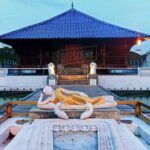
Next comes a change in atmosphere. The Jami Ul-Alfar Mosque, also popularly known as the Red Mosque, is noted for unique architecture and is described as a special masterpiece. This is the kind of stop that helps you understand Colombo as a city of living traditions, not just old stones and colonial facades.
Then you’ll see the story of TITUS STORES, a family-run business founded in 1924 and operating for over 90 years. The details matter here: it began as TITUS LAMP STORES selling petrol lamps called TITUS Lamps, then shifted with electricity to homeware and gifts.
I like this pairing because it covers two daily realities at once—worship and commerce—without turning either into a “performance.” This also helps explain why Colombo feels like it has layers you can still use today: people still pray, people still shop, and buildings still serve purposes even as their stories change.
Pettah’s Old Town Hall, bazaar streets, and the Fort Railway Station
If Colombo has a pulse you can’t fake, it’s in the old business quarters of Pettah. The tour includes the Old Town Hall, described as a lesser-known historic monument: a large gothic, church-like mansion in Pettah’s old business quarter. The stop is marked as admission ticket included, so you’re not left wondering how to get in.
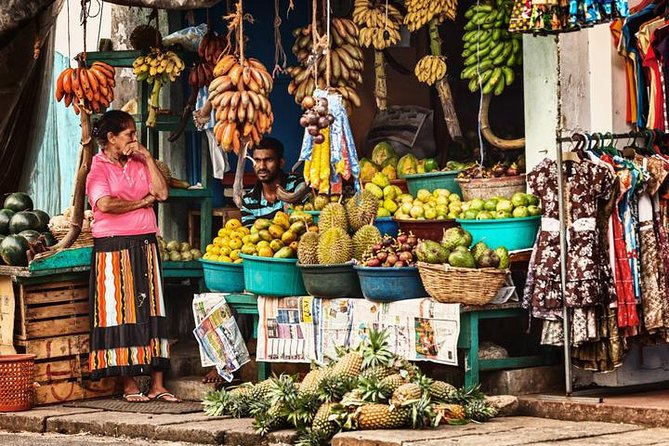
Right after, you’ll explore the busy markets of Pettah Bazaar. This is where the walk becomes more than sightseeing; it turns into watching the city do what it does best—trade, talk, buy, wait, and move on. The guide’s commentary is especially useful here because bazaars can feel chaotic if you don’t know what you’re looking at.
Then the route heads to the Colombo Fort Railway Station, built by the British and described as the major hub in Colombo. This is one of those places where you can feel how transportation helped shape the city’s growth. Admission is included for this stop.
This section is also the best place to pace yourself mentally. If you’re the type who wants lots of stops but hates standing still, you’re in luck—this part is made for walking, looking, and asking questions. If you hate crowds, though, Pettah is not your quiet corner.
Gangaramaya Buddhist Temple: architecture that reflects multiple cultures
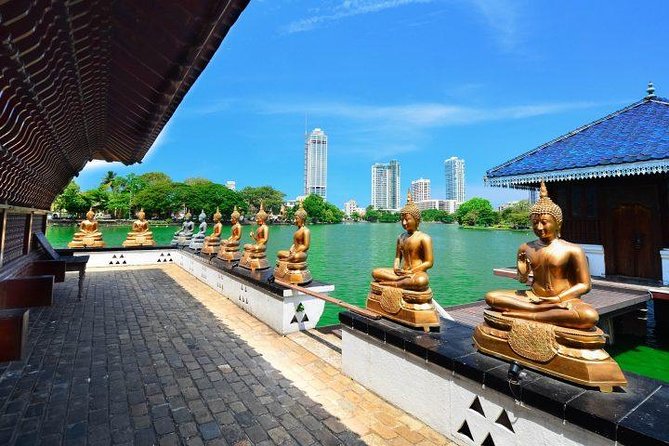
No tour of Colombo feels complete without a major Buddhist temple stop, and the itinerary includes Gangaramaya (Vihara) Buddhist Temple. It’s described as the main temple in Colombo with unique architecture influenced by many cultures.
A key practical note: admission is not included here. The tour notes say the donation is considered the admission fee, and you’ll receive a ticket. It lists $2.00 per person for that temple admission/donation.
Even with the extra cost, I think this is worth planning for because the temple adds a different kind of context to everything else you saw. Fort buildings explain colonial administration and commerce. Pettah explains day-to-day city life. Gangaramaya adds the spiritual and artistic layer that helps you understand why Colombo’s mix of influences never stays only one way.
Galle Face Hotel and Galle Face Green: where the tour finishes
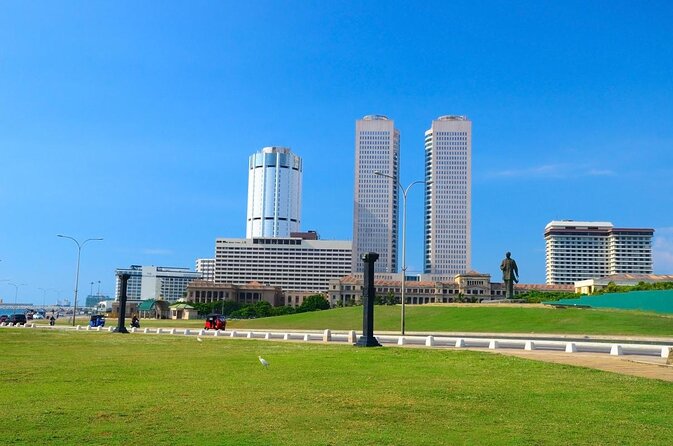
The walk ends right where the tour begins: back at the Galle Face Hotel, in front of the Galle Face Green. The seafront setting is part of the payoff, since it’s where you can finally exhale after several neighborhoods and historical stops.
You’ll also get a look at what’s happening on the Green, and you’ll see the past reflected in the nearby iconic buildings mentioned in the route. The notes reference Old Parliament and highlight the Galle Face Hotel itself. There’s also a mention of a Neo-Baroque-style building built during the British colonial era to house the Legislative Council of Ceylon, connected to proposals from Sir Henry McCallum.
This ending is smart. It gives you a clean mental summary: government power, colonial-era architecture, port-city rhythms, then ocean air to close the loop. If you’re hungry after, this is also a convenient location to find food without changing plans.
Price and value: what $30 really buys you
At $30, this tour is positioned as a budget-friendly way to cover a lot of city geography without relying on you to navigate everything yourself. What makes the price feel fair is that it includes more than a guide’s time: the notes list bottled water, snacks, government fees, and private transportation.
On top of that, several stops are free for admissions in the tour notes, including the prison cell, Dutch Hospital area, Fort Clock Tower, Central Bank Currency Museum, Cargills, Grand Oriental Hotel, and the Red Mosque. You’re also told that Old Town Hall and Fort Railway Station have admission ticket included.
That leaves you with the one big extra you should budget for: Gangaramaya’s donation (about $2 per person). If you do the math, the main cost isn’t hidden. It’s flagged, and the remaining admissions are handled by the tour structure.
Time on your feet: 3 to 4 hours in the real Colombo
The duration is about 3 to 4 hours. That’s a sweet spot if you want meaningful coverage but you still need space for lunch and later plans. It also helps that the route is split into short segments—many stops are around 5 to 15 minutes—so you don’t feel trapped in one long lesson.
Even so, it’s still a walking tour, and Colombo heat is a factor. One of the key practical takeaways from visitor comments is that it can get tiring in hot weather near the end of the walk. So don’t treat the schedule like a museum tour with air conditioning. Treat it like a city walk.
You’ll also see how movement is managed. The info lists private transportation, and one note in the overall feedback points to use of an electric tuk-tuk between areas. That’s the right idea for a long city day: walk where it’s worth it, and take the quick rides when streets stack up or the route needs a fast connection.
Who this walking tour suits best
This tour fits best if you want more than “see this, take a photo, move on.” It’s ideal for first-time visitors who want Colombo beyond the basics and a route that touches key districts—Fort, Pettah, major temples, and the seafront finish.
It also suits people who like to ask questions. The structure gives time for that, and the commentary is designed to connect history with how Colombo shows up now. If you’re the type who prefers rapid, minimal explanations, you might find the pacing a bit story-heavy.
Should you book Colombo Walking Tour with Ajeet De Soyza?
I’d book it if you’re looking for a guided, neighborhood-crossing introduction to Colombo where you can actually ask questions and connect the dots between colonial-era buildings, working-market streets, and major religious architecture. The combination of a small group (up to 8), included snacks and water, and multiple stops with free or included admissions makes the $30 price feel like a solid deal.
I’d think twice if you dislike slow-to-moderate walks, or if you know you struggle in heat. In that case, bring extra water, plan to move at your pace, and treat the stops as informational rather than strictly fast.
If you get the right expectations—walk, listen, ask, and occasionally catch your breath—the tour is a strong way to get oriented quickly in Colombo.
FAQ
How long is the Colombo walking tour?
It runs about 3 to 4 hours (approx.).
What does the tour cost?
The price is $30.
How many people are in the group?
The tour has a maximum of 8 travelers.
Where does the tour start and end?
It starts at the Galle Face Hotel (2 Galle Rd, Colombo 00300) and ends at the same place, in front of the Galle Face Green.
Is the ticket mobile?
Yes, the tour uses a mobile ticket.
What’s included in the price?
Bottled water, snacks, government fees, and private transportation are included.
Are admission fees included for all stops?
Most stops are listed as free or included, but Gangaramaya Buddhist Temple has an admission/donation fee. The tour notes estimate $2.00 per person for the Gangaramaya donation, and a ticket is issued by the temple.
Is there private transport during the walk?
The tour includes private transportation, and you may use it between sections so you aren’t walking every minute.
What should I bring for comfort?
Wear comfortable shoes and plan for heat. Water and snacks are included, but comfortable walking gear helps a lot.
What if weather is bad?
The experience requires good weather. If it’s canceled due to poor weather, you’ll be offered a different date or a full refund.
What’s the cancellation window?
You can cancel up to 24 hours in advance for a full refund.
More Colombo Pavement to Cover
- Glimpse Of Colombo City Walk
★ 4.5 · 11 reviews - Colombo Walking Tour With Ayurveda One Hour Body Massage
★ 5.0 · 6 reviews - Colombo Social and Political Walk
★ 5.0 · 4 reviews - Colombo Walking Tour With Ayurvedic Learning
★ 5.0 · 3 reviews - Private Colombo Walking Tour with a Local Guide
★ 5.0 · 3 reviews
More Ground to Cover on Foot
- 6-Day Sri Lanka Heritage Private Tour
★ 5.0 · 31 reviews - Sri Lanka Private 3-Day Cultural Tour, 5 UNESCO Sites
★ 4.4 · 14 reviews - Colombo Heritage &Culture City Tour by Tuk Tuk ALL INCLUSIVE
★ 4.8 · 12 reviews - Glimpse Of Colombo City Walk
★ 4.5 · 11 reviews - Colombo Walking Tour With Ayurveda One Hour Body Massage
★ 5.0 · 6 reviews
Just added to the Colombo pages
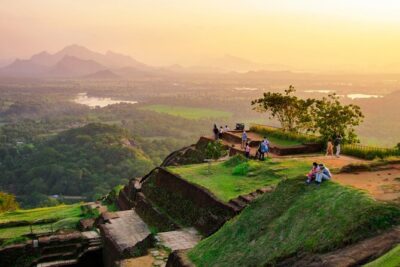

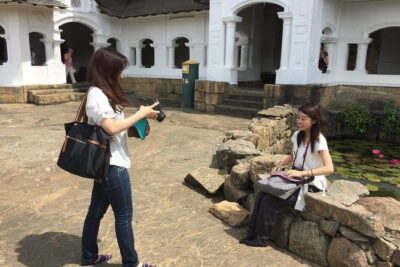
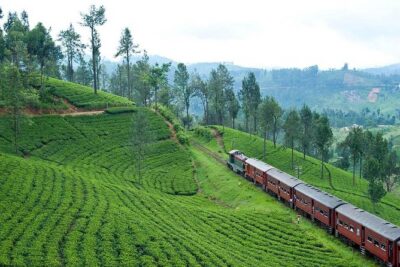
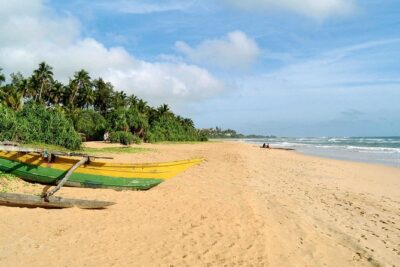
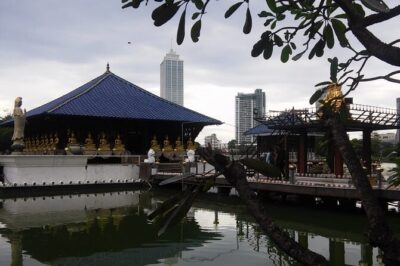
Old Town & Heritage Walks, compared.
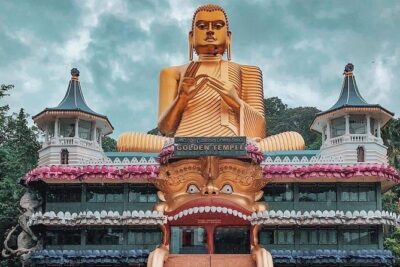 ★ 5.06-Day Sri Lanka Heritage Private TourFrom $42031 reviews
 ★ 4.7Negombo Heritage Walking TourFrom $1427 reviews
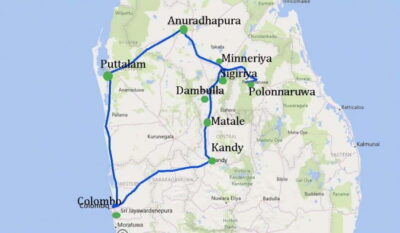 ★ 4.4Sri Lanka Private 3-Day Cultural Tour, 5 UNESCO SitesFrom $49014 reviews
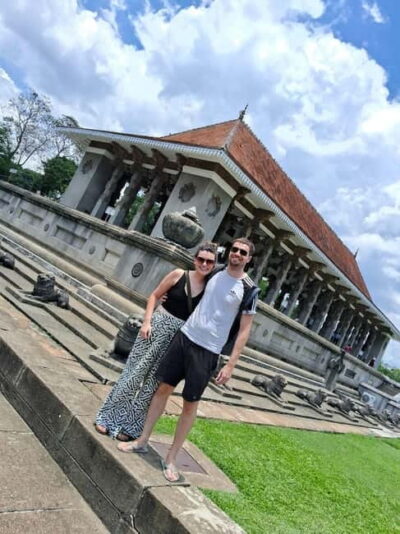 ★ 4.8Colombo Heritage &Culture City Tour by Tuk Tuk ALL INCLUSIVEFrom $2012 reviews
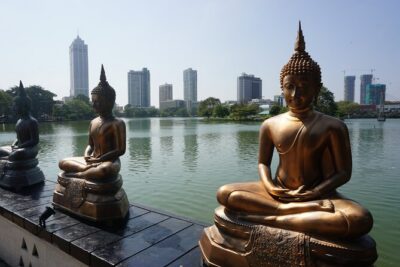 ★ 4.5Glimpse Of Colombo City WalkFrom $1511 reviews
 ★ 5.0Heritage & Cultural Walk in NegomboFrom $1011 reviews
 ★ 5.010 Days/ 9 Nights – Heritage Wildlife and Waves in Sri LankaFrom $1,1006 reviews
 ★ 5.07 Days Sri Lanka Tour Chauffeur Wildlife and Heritage AdventureFrom $9816 reviews
Browse the lists this tour appears in