
Reviewed · NEGOMBO LAGOON & MUTHURAJAWELA
Day Tour to Anawilundawa Wetland Sanctuary
Birds on the move make this day tour special. From Negombo, you’ll ride in a comfortable A/C car to Anawilundawa Wetland Sanctuary, where you can scan for resident and migratory birds in their natural habitat. I like that it’s built around a long birdwatching stretch, not a rushed stop-and-snap experience.
My other favorite part is the help you get in spotting and identifying birds. The guide uses apps on a phone to recognize species on the spot, which turns a walk into a learning game (and yes, it’s a big reason bird lovers rate this so highly). The main drawback is simple: this is a bird-focused outing—if you’re not into birds, you may feel like you’re spending most of your day watching… birds.
In This Review
- Key things to know before you go
- Anawilundawa Wetland Sanctuary: 150+ species worth the drive
- Private Negombo pickup and the small-group rhythm
- 5 hours of birding: what to expect inside the sanctuary
- Season matters: when migratory birds show up (Oct–Apr)
- Two Hindu temples as a cultural pause
- Comfort, snacks, and what to bring
- Price and value for $70 per group (up to 2)
- Who this day tour suits best
- Should you book this Anawilundawa tour?
- FAQ
- How long is the Anawilundawa Wetland Sanctuary day tour?
- Is this tour private?
- Do I get hotel pickup and drop-off?
- Is the sanctuary ticket included?
- What’s included for comfort during the day?
- Can I cancel for free if plans change?
Key things to know before you go
- Private for up to 2 travelers: it’s a true small-group day, capped at two people.
- Long time inside the sanctuary: about 5 hours at Anawilundawa during a 6–7 hour total day.
- Bird ID help with phone apps: the guide’s identification tools make sightings more satisfying.
- Best migratory season is Oct–Apr: that’s when you have the best shot at rarer migrants.
- Bonus visits to 2 Hindu temples: short cultural stops add variety to the birding day.
- Comfort basics, but plan for limits: bottled water is included, while WiFi and a restroom on board are not.
Out on the water: more lagoon and mangrove trips
- Negombo Lagoon Boat Safari Hotel Pickup(Monkey,Mangrove)★ 5.0 · 39 reviews
- Negombo Lagoon Boat Safari From Negombo★ 4.5 · 27 reviews
- Negombo: Guided Kayaking Tour in the Lagoon★ 4.6 · 23 reviews
- Half Day Tour to Muthurajawela, Lagoon, Dutch Canal and Mangroves★ 5.0 · 12 reviews
- Negombo: Hamilton Canal to Colombo by Boat via Muthurajawela★ 4.7 · 11 reviews
Anawilundawa Wetland Sanctuary: 150+ species worth the drive
Anawilundawa Wetland Sanctuary is the kind of place that rewards patience. The wetlands are a haven for both resident and migratory birds, with over 150 species recorded in the sanctuary. You’re not just looking at birds behind glass—this is watching them in their actual feeding and resting areas.
In practical terms, this matters because wetlands can be quiet, then suddenly loud with activity. One moment you’ll be scanning reed edges and shallow water, and the next you’ll spot movement—then the guide can help you match what you see to a species using identification apps. That’s one of the reasons this tour works better than a generic nature walk.
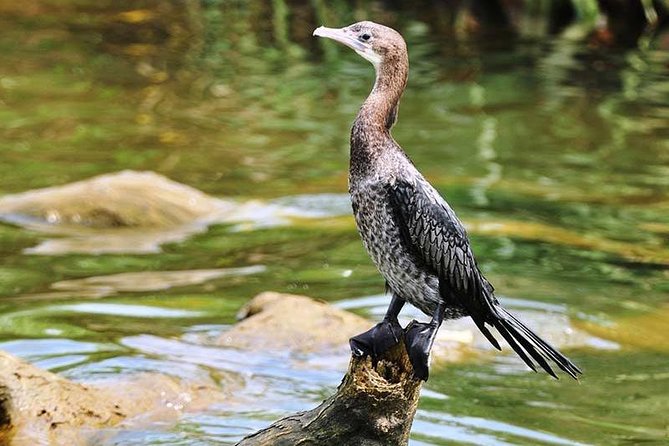
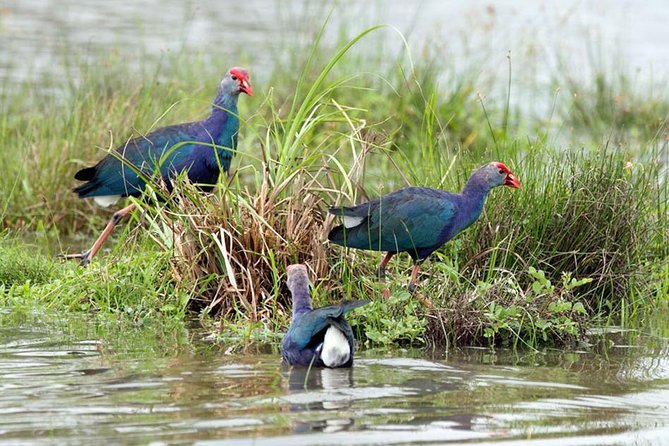
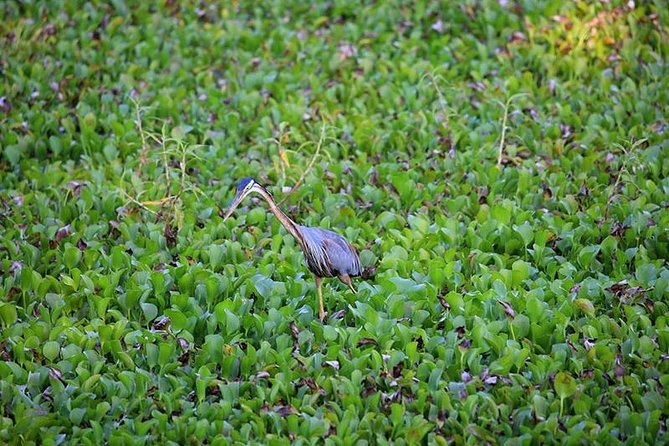
You’ll also see a mix of bird types, not just one group. Expect chances to spot cormorants, egrets, storks, and ibis, plus standouts like the pheasant tailed-jacana and the purple swamp hen. If you enjoy ticking off species (even informally), this is a very satisfying setting.
Private Negombo pickup and the small-group rhythm
This is a private day tour from Negombo with hotel pickup and drop-off. You’ll travel in an air-conditioned vehicle, which is a real plus in Sri Lanka’s warm daytime conditions, especially when you’ll spend several hours outside.
The group size limit is also a big value point: maximum 2 travelers per booking. For many people, that means you get more attention while birdwatching—your route and walking pace can match what you’re actually interested in seeing. It also keeps the day from turning into a line of people drifting through wildlife like it’s a museum.
Timing-wise, you should plan on about 6 to 7 hours total. One stop is dedicated to the sanctuary (about 5 hours), and the rest of the day goes to transit and the temple visits. If you like clear structure—rather than “wander and hope”—this schedule is easy to understand.
One more small detail that matters: it uses a mobile ticket. Bring your phone battery and be ready to show the ticket digitally when needed.
5 hours of birding: what to expect inside the sanctuary
Inside Anawilundawa, the focus is birdwatching, and the sanctuary is set up for exactly that. You’re there long enough to do more than one scan of the wetlands. Instead of rushing through, you’ll have time to notice patterns—like where birds perch repeatedly or where they feed.
What you’re likely to spot includes both larger waterbirds and smaller specialty species. The tour description specifically calls out chances for cormorants, egrets, storks, and ibis. It also mentions two birds that many birders actively look for: the pheasant tailed-jacana and the purple swamp hen. Those names are useful because they signal the tour isn’t only about common birds; it’s aiming at the kind of sightings that make you feel like you learned something.
Here’s the “how it feels” part, based on what people praise most. The guide brings a real identification approach, using a phone app to recognize species. That doesn’t magically make birds appear, but it helps you confirm what you’re seeing when the bird disappears into reeds or lands a little farther than you’d like. If you enjoy figuring things out, you’ll get more from the day.
Keep expectations grounded, too. Wetlands are living spaces, so views can change quickly with bird movement, light, and weather. The tour is built for spotting and learning—not for guaranteeing specific birds on a specific photo attempt.


Season matters: when migratory birds show up (Oct–Apr)
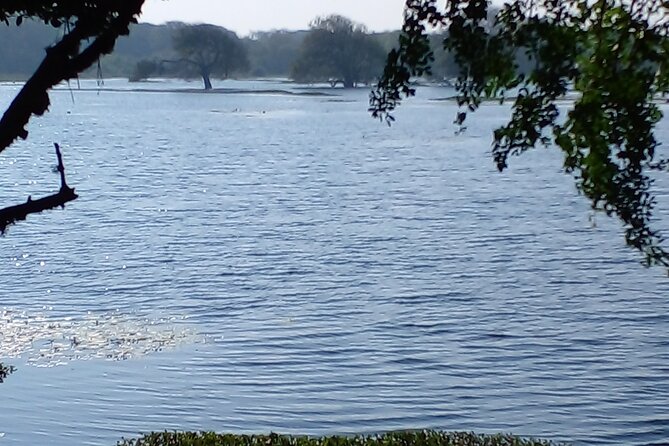
If there’s one seasonal note that can change how rewarding this tour feels, it’s this: October to April is described as the best time to glimpse many rare migratory birds. Resident and endemic birds can be seen year-round, but migrants are the added bonus that often makes birdwatching feel extra exciting.
So how should you use this as a decision tool? If you’re traveling in the months outside Oct–Apr, you can still have a great day spotting resident species. Just don’t build your whole trip around one “perfect migratory lineup.” In wetland birding, timing helps—but it’s never fully predictable.
Also, plan your day around daylight and comfort. Migratory birds are most active when conditions are favorable, and the tour also notes that it requires good weather. If weather turns rough, you’ll either get a different date or a refund, depending on how the organizer handles it.
Two Hindu temples as a cultural pause
The sanctuary is the main event, but you’ll also visit two colorful local Hindu temples as bonus stops. This is a smart balance for a bird-focused day tour because it breaks up the long outdoor time with something cultural and visually different.
The tour data doesn’t give temple names or detailed architecture features, so I wouldn’t guess at specific carvings or sites. What I can say is that these temple stops are positioned as a “soft landing” from birdwatching—an opportunity to reset, stretch a bit, and experience local religious life without turning the day into a sightseeing marathon.
For you, this helps if you’re traveling as part of a couple or family where tastes vary. Even if one person is fully focused on birds, the other often appreciates having a culturally grounded stop that isn’t dependent on spotting wildlife.
Comfort, snacks, and what to bring
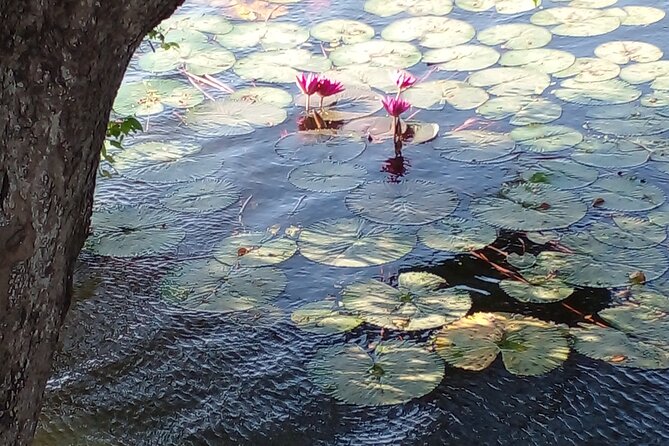
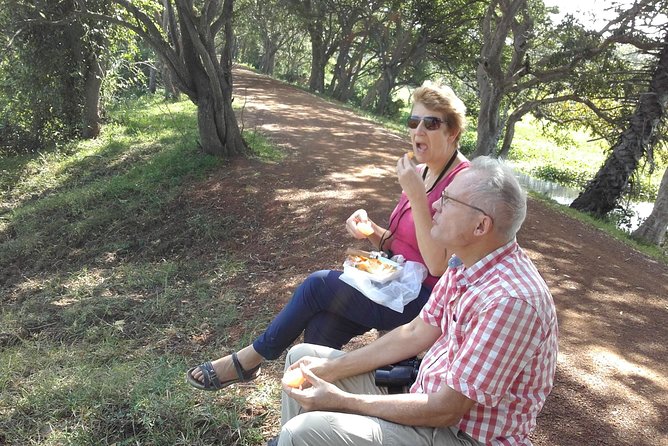
This tour is designed around comfortable transport and basic on-the-day needs. You’ll get bottled water, and the tour overview also states that snacks are included. That’s helpful because you’ll be away from your hotel for most of the day, with roughly 5 hours inside the sanctuary.
But don’t assume the modern conveniences. WiFi on board is not included, and there is no restroom on board. You’ll want to plan around that gap, especially since you’re spending extended time outdoors.
You should also plan for walking and uneven ground typical of wetland areas. The additional info asks for moderate physical fitness. That doesn’t mean it’s extreme hiking, but you should wear shoes you trust on natural paths, with socks that can handle getting slightly damp.
Practical packing items that make sense here (based on the type of day you’re doing) are simple: sunscreen, a hat, insect repellent, and a light layer for cooler shade near water. Since the tour runs only in good weather, bring a small rain cover or poncho just in case.
Price and value for $70 per group (up to 2)
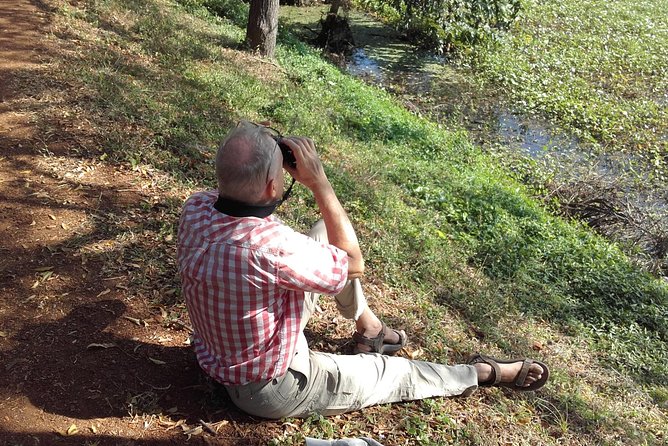
At $70 per group (up to 2 travelers), this is priced as a private birding day rather than a mass-tour bargain. Whether it’s a good value comes down to what you want from the experience.
Here’s what you’re paying for:
- A private A/C car with hotel pickup and drop-off
- Dedicated sanctuary time (about 5 hours)
- Bottled water and snacks (snacks are mentioned in the tour overview)
- A bird-focused guide approach with identification help
- Bonus temple stops
In other words, the price covers transportation plus guided, longer-time access to a place that’s harder to do well on your own. If you only want quick photos and don’t care about bird IDs, you might feel it’s expensive compared to a DIY stroll. But if you want the day organized and optimized for spotting (and you like knowing what you’re looking at), it starts to make sense fast.
Also check the “group of two” angle. If you’re traveling as a couple or with a friend, the per-person cost can feel much more reasonable than a standard solo fee on other tours.
Who this day tour suits best

This one is ideal if you:
- Love birds and want a full block of time to look, not a short drive-by
- Enjoy identifying species and comparing what you see with a guide’s help
- Prefer a private schedule where pace and attention can match your interests
- Want a balanced day that includes both nature time and two temple visits
It’s less ideal if you:
- Don’t enjoy birdwatching and would rather spend the day on beaches, markets, or cultural city wandering
- Expect guaranteed sightings of specific rare birds
- Need onboard restroom/WiFi support
The best results come from matching your expectations to the day’s focus: watching wetlands, learning what you’re seeing, and using the guide’s app-based identification to get clarity on fleeting moments.
Should you book this Anawilundawa tour?
I think it’s worth booking if birds are your thing and you’re in the Negombo area. The combination of private up-to-2 transport, a long sanctuary time, and real bird identification support makes it feel like a thoughtful day out—not a rushed checklist tour.
I’d skip it if you’re lukewarm on birds. The structure of the day is heavily weighted toward the sanctuary, and that’s not changing just because you’re visiting Sri Lanka for a short stay.
If you can time it for Oct–Apr, you’ll give yourself the best chance at migratory highlights. And if weather looks iffy, be flexible—this tour is geared toward good conditions, and the provider notes you’ll be offered a different date or a full refund if the trip can’t run due to poor weather.
FAQ
How long is the Anawilundawa Wetland Sanctuary day tour?
It runs about 6 to 7 hours total, with around 5 hours spent at Anawilundawa Wetland Sanctuary.
Is this tour private?
Yes. It’s a private tour with a maximum of 2 travelers.
Do I get hotel pickup and drop-off?
Yes. Pickup and drop-off are included, and you travel in an air-conditioned vehicle.
Is the sanctuary ticket included?
The itinerary lists the admission ticket as free.
What’s included for comfort during the day?
You get bottled water, snacks (mentioned in the tour overview), and air-conditioned private transportation.
Can I cancel for free if plans change?
Yes. You can cancel up to 24 hours in advance for a full refund.
Back on the Lagoon
- Negombo Lagoon Boat Safari Hotel Pickup(Monkey,Mangrove)
★ 5.0 · 39 reviews - Negombo Lagoon Boat Safari From Negombo
★ 4.5 · 27 reviews - Negombo: Guided Kayaking Tour in the Lagoon
★ 4.6 · 23 reviews - Half Day Tour to Muthurajawela, Lagoon, Dutch Canal and Mangroves
★ 5.0 · 12 reviews - Negombo: Hamilton Canal to Colombo by Boat via Muthurajawela
★ 4.7 · 11 reviews
Just added to the Negombo pages



Negombo Lagoon & Muthurajawela, compared.
 ★ 5.0Negombo Lagoon Boat Safari Hotel Pickup(Monkey,Mangrove)From $5039 reviews
 ★ 4.5Negombo Lagoon Boat Safari From NegomboFrom $4327 reviews
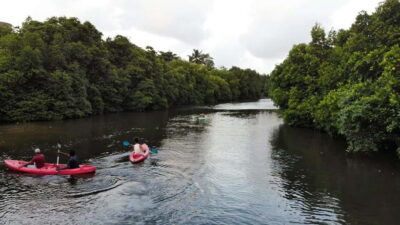 ★ 4.6Negombo: Guided Kayaking Tour in the LagoonFrom $2323 reviews
 ★ 5.0Muthurajawela Bird Watching Tour From Colombo & NegomboFrom $8518 reviews
 ★ 4.5Exclusive: Muthurajawela Bird Watching Tour with TransfersFrom $3518 reviews
 ★ 5.0Half Day Tour to Muthurajawela, Lagoon, Dutch Canal and MangrovesFrom $5912 reviews
 ★ 5.0Negombo: Sunset lagoon boat tour with hotel transfersFrom $4211 reviews
 ★ 4.7Negombo: Hamilton Canal to Colombo by Boat via MuthurajawelaFrom $8011 reviews
Browse the lists this tour appears in