
Reviewed · MIRISSA WHALE WATCHING
Whale Watching From Colombo
Whales off Sri Lanka start with an early wake-up. This Colombo whale-watching day works because it solves the hardest part—getting you to Mirissa and back—then puts you on a fast boat to scan the seas for whales and dolphins. I like the door-to-door transport that takes the pressure off, and you’ll see more than just water time with a short Mirissa stop on the way.
My favorite part is the on-board breakfast and coffee, served during the cruise window (so you’re not starving in transit). One thing to consider: the sea can get rough out there, and one long, heavy-seas trip turned into a miserable ride for some people.
In This Review
- Key things to know before you go
- Colombo to Mirissa: the real value is not the whales, it’s the timing
- The pickup and the ride to Galle: long, but usually straightforward
- Mirissa Harbour at 7:00am: what the cruise setup can feel like
- A note on the crew experience
- What you’re actually looking for in the sea (and why the “fast boat” matters)
- Breakfast on the boat: a small comfort that changes the whole day
- Rough seas reality check: how to protect yourself from the “7-hour ordeal” scenario
- Parrot Rock Bridge in Mirissa: the calm pause you’ll be glad you have
- Colombo’s quick glimpse: port-city layers you can notice without a long museum day
- Price and what you’re really buying: $171 for transport + time + food
- Who this tour suits best (and who should think twice)
- Booking tips I’d use to make this day smoother
- Should you book this Colombo whale-watching tour?
- FAQ
- What time does the tour start in Colombo?
- How long is the whole tour?
- Where does the whale watching cruise depart from?
- What’s included in the tour price?
- What marine life might you see?
- What happens if weather is bad?
- Is a passport required?
Key things to know before you go
- 4:00am start from Colombo means a very early day, but it helps you reach Mirissa in time.
- Return transfers are included, so you don’t have to figure out buses or private cars for this route.
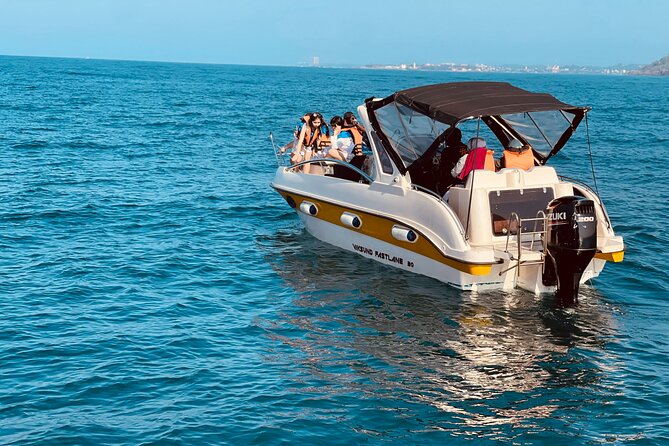
- Boat types vary, and the ride can range from smooth to seriously choppy depending on conditions.
- You get breakfast on the boat, plus tea/coffee depending on service that day.
- Mirissa Harbour departure is around 7:00am, and the cruise typically lasts about 3–5 hours.
- Parrot Rock Bridge stop is a calm break after the sea action.
More mornings on the water off Mirissa
- Private 2-Day Trip To Mirissa Beach And Yala From Colombo★ 5.0 · 8 reviews
- 2-Day Whale Watching & Southern Sri Lanka Tour★ 3.8 · 6 reviews
- 4 Days 3 Nights explore sri Lanka with Mirissa Cabs Sri Lanka★ 5.0 · 5 reviews
- Whale Watching From Colombo★ 3.0 · 3 reviews
- Airport Taxi Transfers from Colombo Airport to Mirissa★ 5.0 · 3 reviews
Colombo to Mirissa: the real value is not the whales, it’s the timing
If you’ve tried planning Colombo whale watching on your own, you already know the problem. Mirissa (near Galle) is far enough and the route is long enough that you can lose half a day just figuring out transport. This tour is built to remove that stress with air-conditioned vehicle transfers and a set schedule that gets you to the harbor early.
The day starts at 4:00am. That’s not subtle, and it can feel extreme—until you realize it’s what makes the whale cruise practical. You’re not just leaving late and hoping for the best. You’re getting positioned early enough for a morning departure, which is when a lot of wildlife-watching trips run.
Also, the tour keeps the number of bookings small on paper (it notes a maximum of 6 travelers), which is nice for coordination. Just remember the boat you ride might still be crowded because it’s a whale cruise operating out of Mirissa Harbor.
The pickup and the ride to Galle: long, but usually straightforward
From Colombo, you’re collected early and driven toward the south coast. You’ll get plenty of road scenery during the trip to Mirissa (near Galle), and the schedule is built so you’re at the water at the right time rather than bouncing around all morning.
The drive time is listed as approximate. Traffic and time of day can stretch it, which matters because you’re also waking up before dawn. When a tour says the ride durations depend on traffic, I treat that as a warning to plan a flexible mood. Bring water, keep your phone charged, and expect the whole day to be more “event” than “light stroll.”
Mirissa Harbour at 7:00am: what the cruise setup can feel like
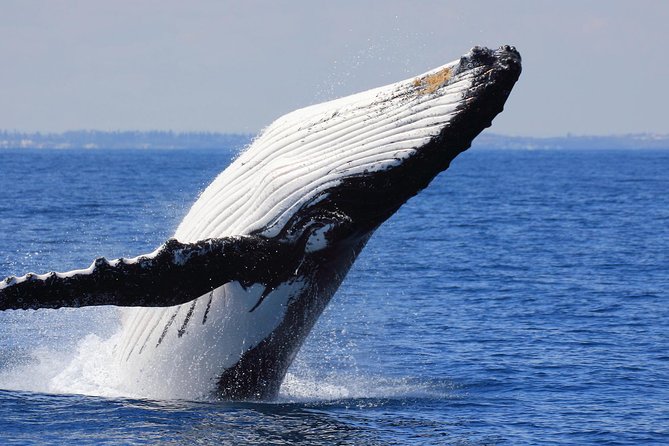
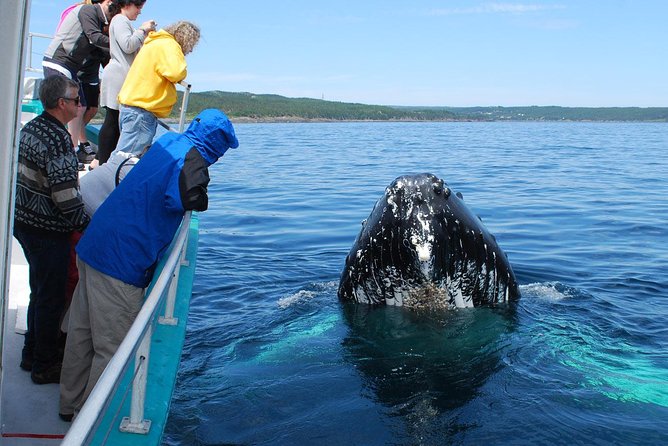
The whale-watching part starts with departure from Mirissa Harbor around 7:00am. The cruise portion typically runs about 3–5 hours, and you’ll be searching the waters off southern Sri Lanka for blue whales, Bryde’s whales, sperm whales, and spinner dolphins (and often other marine animals like rays).
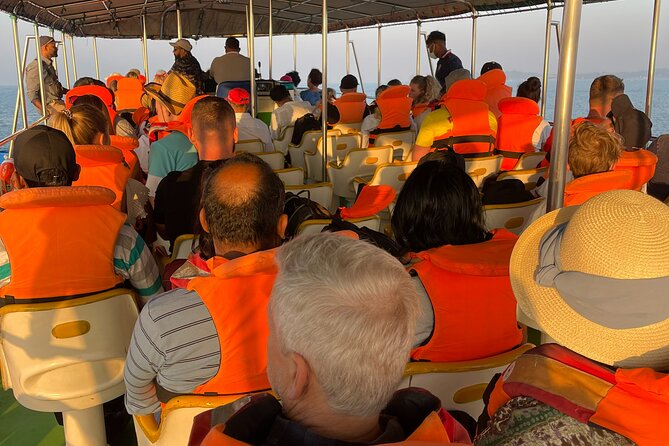
One useful detail: boats and seating can vary. One account described a double-deck ferry with lots of people (70 pax) and different options depending on where you sit. The upper deck bow had plastic-cushion seating, while the lower bow could involve standing. That difference matters if you’re prone to seasickness or if you simply hate feeling squeezed.
I’d plan around this like it’s a sea trip first, whale trip second. Dress for wind and spray. Bring something you can tolerate if the boat becomes a rolling ride. If you’re sensitive to motion, this is the part where you should take that seriously.

A note on the crew experience
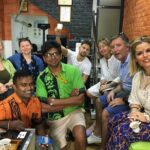
The operator information emphasizes experienced operations out of Mirissa. In at least one documented experience, the person providing guidance was named Dansuhka. I can’t assume every trip will have the same staff, but it’s a good sign when you see named crew support showing up in real-world accounts.
What you’re actually looking for in the sea (and why the “fast boat” matters)
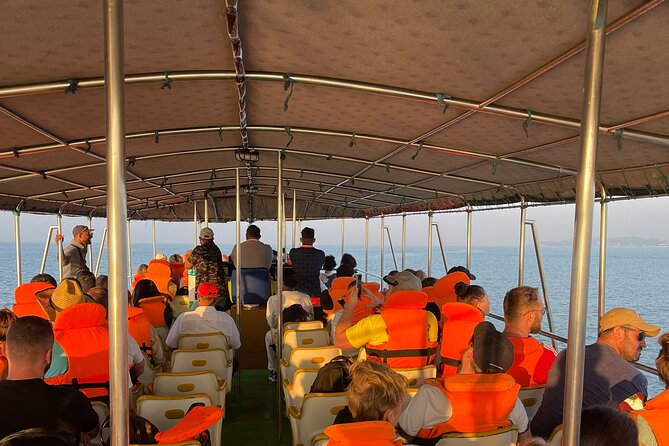
The description focuses on a high-speed boat that can reach whales quickly—time matters because wildlife doesn’t sit around waiting. In practice, what you’re paying for is effort: a ride that pushes you out to productive waters, plus time on the water to spot animals.
The potential sightings are specific, which helps your imagination:
- Blue whales
- Bryde’s whales
- Sperm whales
- Spinner dolphins
You might also see dolphins and other marine creatures beyond that list, depending on the day. The tour framing is realistic: you’re out there scanning, not in a controlled aquarium-style viewing setup.
If you’re the type who likes learning as you watch, bring curiosity. A whale cruise becomes better when you start noticing what triggers excitement: surfacing patterns, changes in water texture, and dolphins moving in coordinated bursts.
Breakfast on the boat: a small comfort that changes the whole day
This tour includes breakfast on board—coffee is also listed as included. In a long, early day, that turns the outing from “just surviving the morning” into something more like a proper experience.
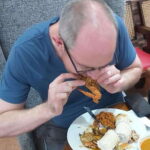
A documented trip included tea and a picnic-style box plus fruit during the cruise window. Whether your meal is exactly that or another version, the underlying point is consistent: you’re fed while you’re out at sea, so you don’t lose your energy when you want your attention on spotting wildlife.
I recommend treating breakfast as part of your motion-sickness plan too. If you’re very sensitive, go easy and don’t eat a massive, heavy meal right before you’re bouncing around on waves. The tour provides water bottles, which helps you stay hydrated when you’re exposed to sun, wind, and spray.
Rough seas reality check: how to protect yourself from the “7-hour ordeal” scenario
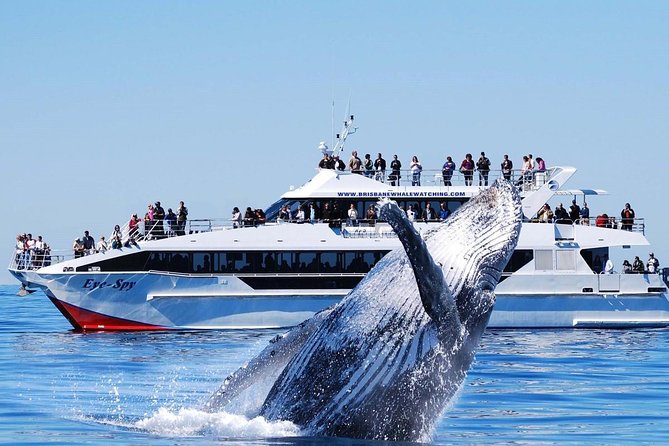
Here’s the honest balancing act. The same tour concept that can be fantastic in calm weather can feel awful if the sea turns rough. One documented experience described very heavy seas, lasting around 7 hours, and resulted in widespread nausea. That’s not rare logic—boats + swell can be tough—but it’s an important consideration for you before you commit.
Also, that same report mentioned a sensory overload: engine noise and smell became unpleasant once the ride got rough. Even if you’re not seasick, it’s smart to bring ear protection if you’re sensitive to loud engines, and to keep your breathing comfortable with a mask or cloth if odors bother you.
Practical steps that usually help on choppy days:
- Take motion-sickness medication before you feel sick.
- Choose seating carefully when possible. If upper bow seats are plastic-cushion and lower bow means standing, pick the option that best matches your comfort.
- Dress in layers so you’re not freezing when wind cuts spray across you.
- Keep your eyes on the horizon when you start to feel off.
If weather becomes a problem, the experience notes that it’s subject to favorable weather conditions, and you’ll be offered an alternative date or a full refund if canceled due to poor weather. That’s a relief, but it doesn’t remove the fact that “rough” can still happen during acceptable conditions.
Parrot Rock Bridge in Mirissa: the calm pause you’ll be glad you have
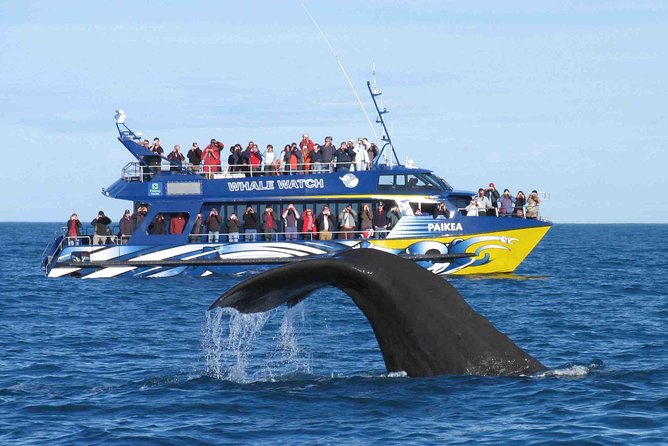
After the main sea time, there’s a stop at Parrot Rock Bridge, described as a quiet spot on the left side of Mirissa Beach where you can watch surfers and enjoy sunsets.
This is a good design choice. Whale cruises can be intense: you’re focused, cold/wet, and often physically tense. A short beach-side break lets you reset. If you still have energy, you can turn this into a relaxed moment rather than rushing back to the next vehicle.
Drawback: because this stop is short and the day runs early, you might not have long lingering time. It’s more of a viewpoint-and-snack-in-your-own-mind kind of stop than a full beach afternoon.
Still, if you’re traveling with someone who doesn’t love boats, this pause is a nice compromise: they get scenery, surfers, and a calmer shoreline break.
Colombo’s quick glimpse: port-city layers you can notice without a long museum day
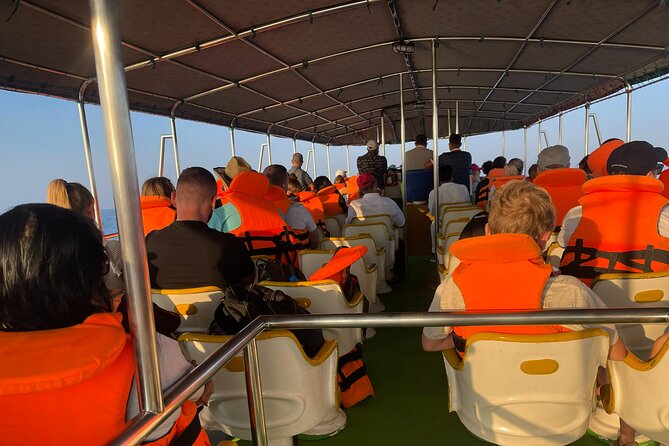
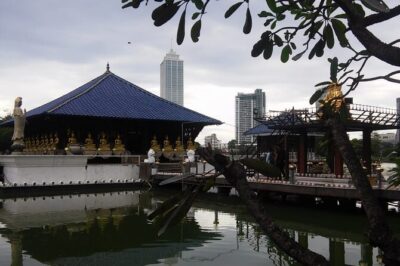
The schedule also includes a Colombo context stop. Colombo is described as having a history as an old east-west port, with Portuguese, Dutch, and British administration leaving visible marks. You’re also guided toward landmarks like:
- Colombo National Museum
- Viharamahadevi Park
- and older monumental structures mixed with modern shopping centers and other elevated features
You likely won’t get a deep museum day from a whale tour that starts at 4:00am and ends after a full day on the move. But you can still get value from a quick overview when it helps you connect what you’re seeing in the city later.
If you’re the type who likes context, this is a solid add-on. It turns a day trip into something slightly more meaningful than pure transit plus boat.
Price and what you’re really buying: $171 for transport + time + food
At $171 per person, this isn’t the cheapest way to watch whales from Colombo. But it’s also not only paying for a boat ticket. You’re paying for:
- return hotel transfers by vehicle
- a morning run that positions you for the cruise
- on-board breakfast and coffee
- and the operational work of running whale cruises out of Mirissa Harbor
If you tried to DIY this, the biggest cost would be time and hassle: transport cost plus lost energy plus the uncertainty of building a schedule that actually reaches the harbor early enough. For many people, that invisible cost is the real deal-maker.
That said, the boat ride can be long and sometimes miserable if conditions are rough. If you’re planning to take this mainly for comfort, the value equation changes. In that case, you might prefer a shorter, calmer-feeling option in calmer seasons.
Best-case scenario: you get a fast outreach to whale activity, comfortable enough pacing, and a meal onboard that keeps the day bearable. Worst-case scenario: you still pay for the sea time, and your comfort suffers.
Who this tour suits best (and who should think twice)
This is a good fit for you if:
- you want hassle-free transfers from Colombo without planning transport separately
- you’re okay with an early start and a full day
- you’re excited by the chance to spot blue whales, Bryde’s whales, sperm whales, and spinner dolphins
- you appreciate getting breakfast and coffee during the cruise rather than scrambling later
Think twice if:
- you’re extremely seasick or very motion-sensitive
- you have a hard limit on long boat rides (the experience can run several hours, and in rough conditions it can feel like an ordeal)
- you don’t want loud engines or strong smells in unpleasant sea conditions
If you’re traveling with mixed preferences, the Parrot Rock Bridge stop can help balance the day, giving non-boat lovers something calmer to enjoy.
Booking tips I’d use to make this day smoother
You can’t control whales, weather, or sea state. But you can control your comfort and your expectations.
Here are my practical tips before you go:
- Prepare for a very early morning. A start time of 4:00am means you should pack the night before.
- If you’re motion-prone, take preventive action early. Don’t wait for nausea.
- Dress like it could be windy and damp. Even when it’s warm on land, boats can chill you quickly.
- Bring your patience. If the sea is rough, the ride can feel long even when the itinerary sounds simple.
- Keep your passport current. A valid passport is required on the day of travel.
Also, the tour uses a mobile ticket. Make sure you can access it offline or quickly on your phone.
Should you book this Colombo whale-watching tour?
I’d say book it if you want a structured, transport-solved day that gets you out to Mirissa for a real whale cruise and includes on-board breakfast and coffee. The added Mirissa viewpoint at Parrot Rock Bridge and the Colombo overview give the day variety, so it doesn’t feel like you’re just stuck on a boat from start to finish.
I wouldn’t book it if boat comfort is your top priority. One rough-seas experience described nausea and a tough ride lasting about 7 hours, which is the kind of day you want to avoid if you’re sensitive.
If you do book, treat it as an early, sea-focused adventure with a good chance of wildlife and a clear possibility of rough water. That’s the trade—and it’s the honest way to set yourself up for a good day.
FAQ
What time does the tour start in Colombo?
The start time listed is 4:00am.
How long is the whole tour?
The duration is listed as 6 to 7 hours (approx.), and the boat cruise portion is typically 3–5 hours.
Where does the whale watching cruise depart from?
The cruise departs from Mirissa Harbor at around 7:00am.
What’s included in the tour price?
Included items are air-conditioned vehicle, all fees and taxes, bottled water, breakfast, and pick-up and drop-off by comfortable vehicle. A whale-watching admission ticket is included.
What marine life might you see?
The tour description lists potential sightings including blue whales, Bryde’s whales, sperm whales, and spinner dolphins, plus other marine creatures.
What happens if weather is bad?
The experience depends on favorable weather conditions. If canceled due to poor weather, you’ll be offered an alternative date or a full refund.
Is a passport required?
Yes. A current valid passport is required on the day of travel.
Back Out to the Whales
- Private 2-Day Trip To Mirissa Beach And Yala From Colombo
★ 5.0 · 8 reviews - 2-Day Whale Watching & Southern Sri Lanka Tour
★ 3.8 · 6 reviews - 4 Days 3 Nights explore sri Lanka with Mirissa Cabs Sri Lanka
★ 5.0 · 5 reviews - Whales Watching Mirissa Day Tour
★ 4.5 · 4 reviews - Airport Taxi Transfers from Colombo Airport to Mirissa
★ 5.0 · 3 reviews
Just added to the Colombo pages




Mirissa Whale Watching, compared.
 ★ 5.0Private 2-Day Trip To Mirissa Beach And Yala From ColomboFrom $3208 reviews
 ★ 5.0Colombo Airport to Mirissa Taxi (private arrival transfer)From $1728 reviews
 ★ 3.82-Day Whale Watching & Southern Sri Lanka TourFrom $2926 reviews
 ★ 5.04 Days 3 Nights explore sri Lanka with Mirissa Cabs Sri LankaFrom $4705 reviews
 ★ 4.5Whales Watching Mirissa Day TourFrom $2604 reviews
 ★ 5.0Airport Taxi Transfers from Colombo Airport to MirissaFrom $853 reviews
Browse the lists this tour appears in