
Reviewed · GALLE FORT & SOUTHERN COAST
From Colombo to Galle Fort and Unawatuna Beach Day Trip
South coast in one packed day? It’s a solid sampler: Kosgoda turtle conservation and Galle Dutch Fort sit next to real beach time in Unawatuna. Add moonstone mining and the Madu River area, and you get a trip that feels more like seeing real working places than just scenic photo stops.
I especially like that the day is structured with clear, memorable anchors: you’re not guessing what matters at the turtle hatchery or what to look for at the UNESCO Galle Fort. One possible drawback: the route is busy, so if your guide doesn’t slow down at the key sites (or you’re not into shopping-style stops), you could feel rushed or under-informed.
In This Review
- Key highlights to look for
- Colombo pickup to a south-coast route with built-in variety
- Kosgoda turtle hatchery: the conservation work behind the shells
- Madu River wetlands: the scenic stop, and what you miss without the boat
- Meetiyagoda moonstone mining: blue moonstones and human-scale work
- Dawn South Beach and Hikkaduwa Coral Beach: time for salt-air breaks
- Tsunami village stop: why it fits this route
- Galle Dutch Fort UNESCO: Portuguese-to-Dutch layers in walking distance
- Unawatuna Beach relax time: how to make the most of the last stop
- Price and value: is $48 a fair deal for this route?
- Guide quality makes a real difference on this day
- Who this trip suits best
- Should you book this one-day south coast loop?
- FAQ
- How long is the trip?
- Where do you get picked up from and where do you return?
- What is the price per person?
- What’s included in the tour?
- Is the Madu River boat safari included?
- Is there a ticket line skip?
- What language is the guide?
- How big is the group?
- What is the cancellation policy?
Key highlights to look for
- Kosgoda turtle hatchery: built around conservation and the full set of South Coast turtle species
- Madu River wetlands area: a calm river-and-marsh setting, with the boat safari as the missing piece
- Moonstone mining in Meetiyagoda: hand-mined blue moonstones from small, waterlogged pits
- Galle Fort UNESCO: Portuguese-to-Dutch layers in one compact walled city
- Unawatuna beach time: a proper wind-down after the inland/heritage stops
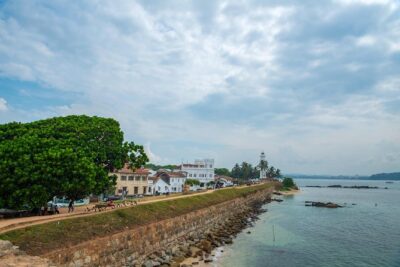
Galle Fort and the south coast road, a few more
- Galle Transfer from Airport or Colombo by private taxi★ 5.0 · 60 reviews
- Private Galle Day Trip from Colombo/ Negambo / Bentota★ 5.0 · 35 reviews
- From Colombo to Galle Fort and Unawatuna Beach Day Trip★ 4.5 · 27 reviews
- Airport Transfer to Colombo Ella Galle Sigiriya Kandy and More★ 5.0 · 24 reviews
- Day Excursions to Galle Fort & Bentota from Colombo★ 4.5 · 20 reviews
Colombo pickup to a south-coast route with built-in variety
This one-day trip runs as a classic south-coast “hit the big notes” circuit. You start with a hotel pickup in Colombo, travel by air-conditioned car or van, and return back to Colombo the same day. The small-group setup (up to 15 people) matters here because it keeps stops manageable and helps you move as one unit through busy places.
You’ll also get an English-speaking chauffeur/guide and entrance tickets for the sites listed in the inclusions. That ticketing convenience is real in Sri Lanka—being able to skip the ticket line saves time, which you can spend actually looking around.
The practical vibe: it’s not a slow travel day. It’s a day designed for variety—nature work, crafts/industry, and heritage—followed by beach downtime. If your goal is learning at an unhurried pace, you might want to plan extra time on your own afterward.
Kosgoda turtle hatchery: the conservation work behind the shells
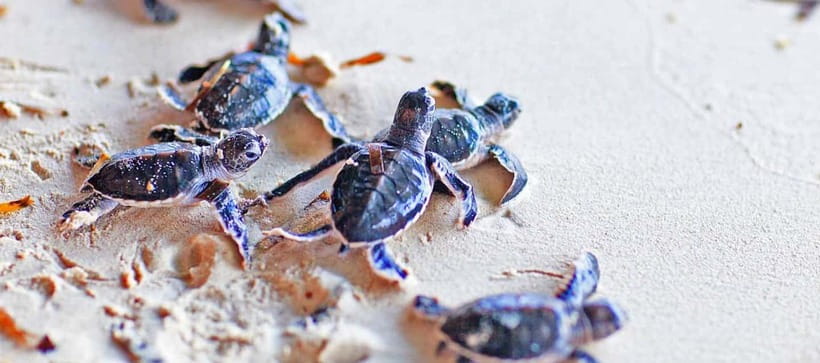
One of the best parts of this itinerary is the stop at a turtle hatchery along the southern coast—often associated with the long-running Kosgoda program. There are said to be 18 hatcheries along Sri Lanka’s south coast, and Kosgoda is one of the oldest conservation projects, started in 1981.
What I like about the setup is that it’s not only about hatching babies and collecting shells. The hatchery runs education and volunteer-style activities, and the focus is on turtle survival on the shore—not just the cute outcome of tiny turtles. It’s also known for working with all five turtle species found on Sri Lanka’s beaches, which gives the visit more depth than a single-species facility.
What to watch for on the ground
Look for how they explain the process of hatching and what happens after. Even if you’re not there long, the value is in understanding that this is a living conservation workflow, not a one-time display.
Possible catch
A hatchery visit is time-sensitive—you’ll want to keep your schedule tight and not wander off. With a full itinerary, your best move is to ask your guide what you should prioritize while you’re there.
Madu River wetlands: the scenic stop, and what you miss without the boat
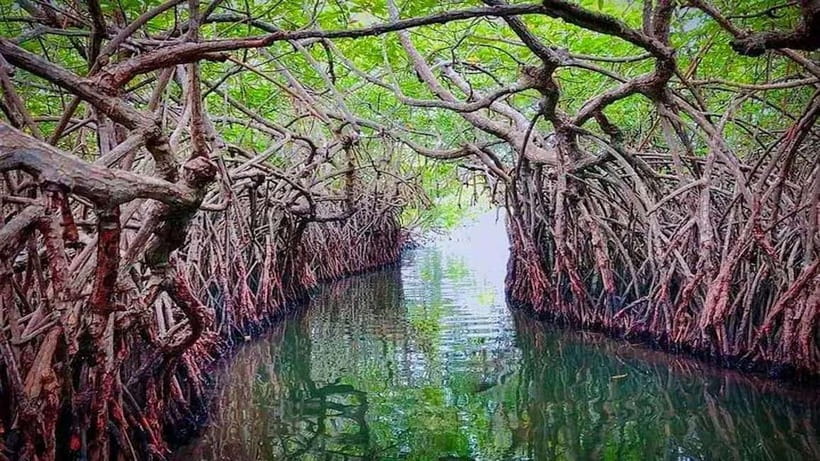
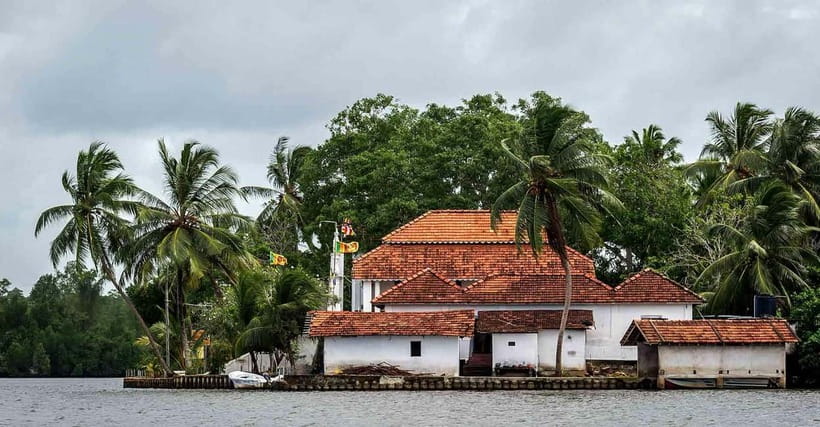
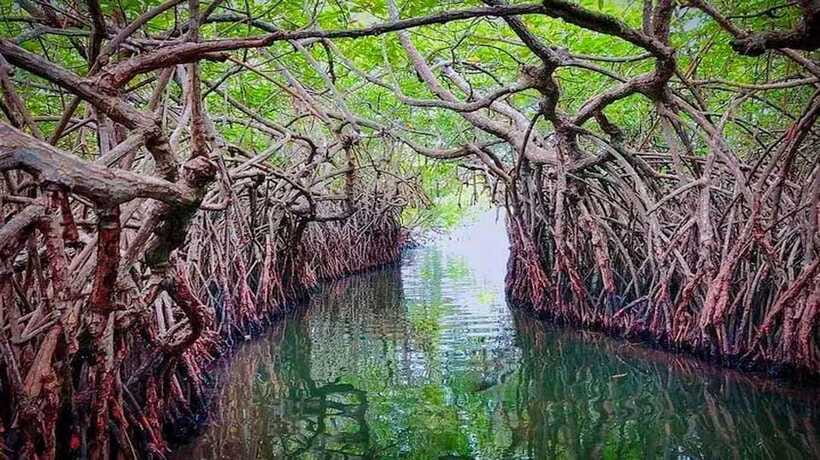
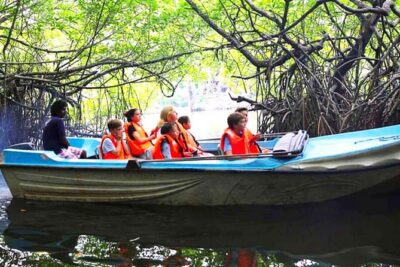
The Madu Ganga River area is a true “Sri Lanka in miniature” setting—river winding through wetlands, connected to the coast. The route covers the southwest region of Sri Lanka, with the river traveling from the Akuressa Hills toward the Indian Ocean over roughly 64 kilometers, cutting through a network of wetlands totaling around 915 hectares.
In this day trip, you’re set up to visit the Madu River area, but the Madu River boat safari is not included. That matters because the boat is usually where you see the wetlands from water level, including the deeper channels and the slower, more immersive feel.
So, how do you make sense of this stop?
- If you enjoy the idea of calm nature scenery, you’ll still get value from the river setting and the chance to look out over the wetlands area.
- If you want the full “on the water” experience, plan your expectations: you may need to consider an add-on elsewhere, or accept that this version is shorter.
Meetiyagoda moonstone mining: blue moonstones and human-scale work
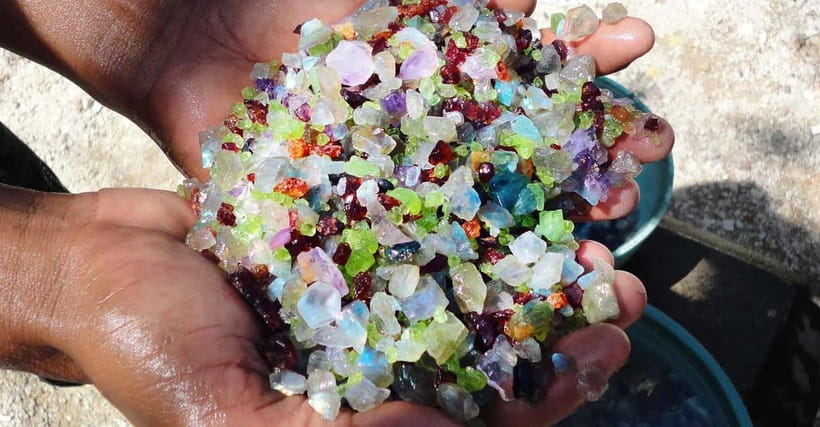
Next up is one of the most interesting stops on the day: the moonstone mines around Meetiyagoda. This area is famous for blue moonstone, with mining done in small, primitive, waterlogged pits—hand-work that’s described as continuing much the same since 1906.
Meetiyagoda sits just a couple of kilometers from the coast and lies between Ambalangoda and Hikkaduwa. The reason people remember this stop is simple: the supply chain feels close and human. You’re not just buying a souvenir gem; you’re seeing the working place behind it, tied to the earth’s large pegmatite vein of moonstone.
How to approach this stop
Go in with a curious but practical mindset. If you’re interested in the story, pay attention to how the miners describe the process and where the stones come from. If you’re not looking to buy, you can still get a lot by treating it like an on-site explanation of how a local industry works.
Dawn South Beach and Hikkaduwa Coral Beach: time for salt-air breaks
The day includes Dawn South Beach as part of the route, which works well for resetting your senses after the earlier heritage and conservation stops. Even a short beach or coastal look can make the rest of the day feel less like a checklist.
Later, you’ll reach Hikkaduwa Coral Beach. This is one of those places where a little time goes a long way—breathe out, look at the shoreline, and take in the coastal energy. The itinerary doesn’t promise a long stretch of free time here, so aim for a focused walk rather than expecting an all-day hang.
Small tip for your timing
If you want photos, do them quickly early in the stop. Then use the remaining time to just watch the sea and soak up the coastal rhythm. Your brain registers it faster when you stop trying to capture everything.
Tsunami village stop: why it fits this route
The included route also makes a stop at a tsunami village. The details of what you’ll see aren’t spelled out here, but the placement in a coastal itinerary makes sense: it’s a reminder tied to the country’s relationship with the ocean and the kind of resilience you can meet in Sri Lanka.
This kind of stop can either feel meaningful or feel too short to matter, depending on your expectations. If you like context, ask your guide what the place is about and how it connects to local life today.
Galle Dutch Fort UNESCO: Portuguese-to-Dutch layers in walking distance
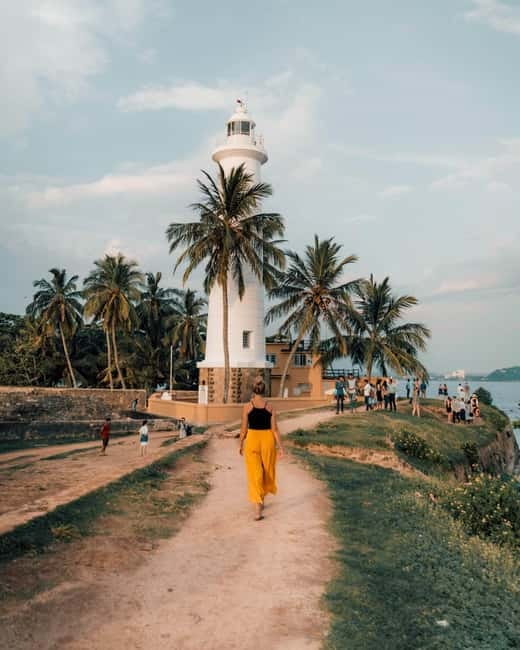
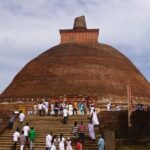
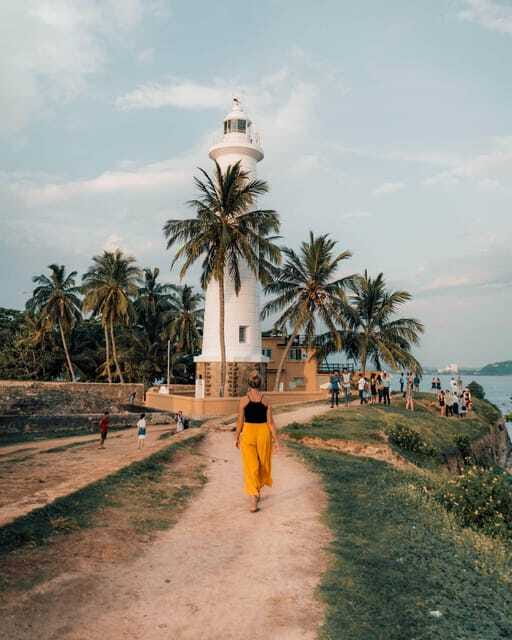
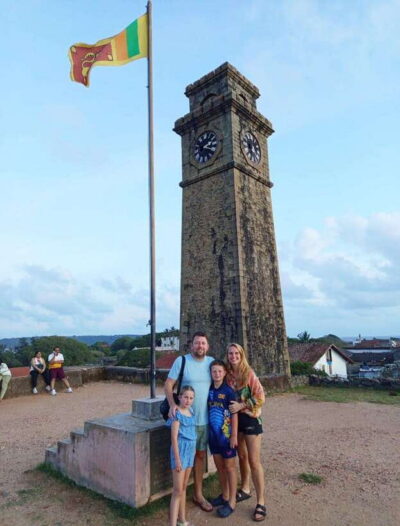
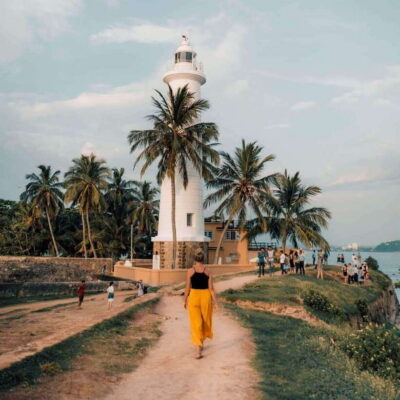
The highlight for many people is Galle Dutch Fort, a UNESCO World Heritage Site. The fort’s story moves from Portuguese construction in 1588 to Dutch fortification beginning in 1649. What you’re walking through today is a European-style urban ensemble shaped by South Asian traditions, with architecture and walls that still look crisp thanks to reconstruction work.
This is one of those sites where your experience changes a lot based on how your guide frames it. Some guides will walk you through the layers clearly; others may give less detail and you’ll have to work harder to find your bearings.
A useful reality check from past participants: there have been days when people felt they got only limited information about the fort and ended up a bit lost. On other days, guides like Dilip have been praised for explaining what you’re seeing for each stop along the way, and guide Tuan has been described as kind and very good with explanations across the sites.
How you can get more out of Galle Fort
- Arrive ready to ask one or two questions. If you’re curious about Portuguese vs Dutch influence, say so.
- Spend most of your time inside the fort’s pedestrian streets and ramparts rather than rushing straight to the biggest walls.
- If you don’t get enough context from the guide, you can still read the setting for yourself by noticing where European-style streets and fortifications meet local life.
Unawatuna Beach relax time: how to make the most of the last stop
After the heritage and industry stops, the day finishes with relaxation at Unawatuna Beach. This part is important because it gives you space to process everything you’ve seen and stop performing “tour mode.”
I like this placement: conservation work earlier, history mid-day, and then salt-air downtime. It helps the day feel balanced rather than exhausting.
What to expect
You should plan for sandy shoes and simple beach time. Don’t count on this being a quiet, empty beach—Unawatuna is a known coastal stop. But it’s exactly the kind of place where you can put your phone down and just watch waves for a while.
Price and value: is $48 a fair deal for this route?
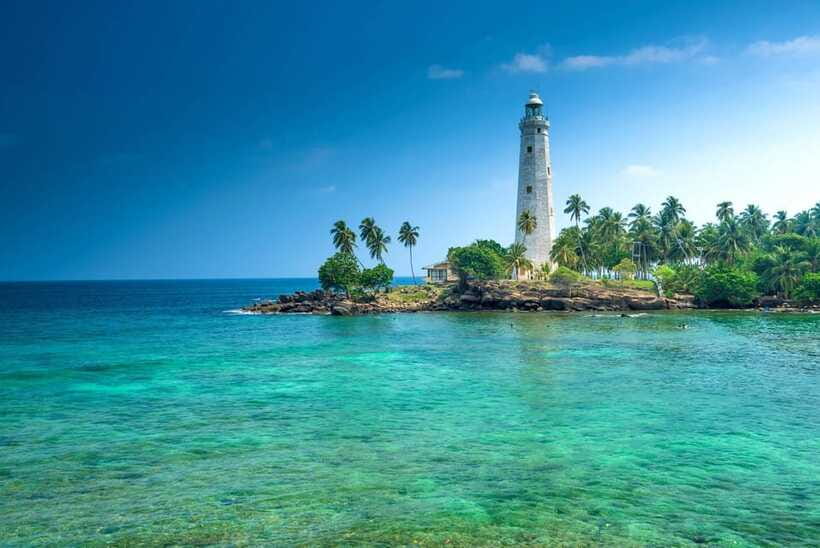
At $48 per person for a one-day circuit, you’re paying for a lot of “hands-off convenience.” You get hotel pickup and drop-off, air-conditioned transport, English-speaking guidance, entrance tickets for the turtle hatchery and Galle Fort, plus extras like a king coconut and bottled water.
Where the value shines is in how the day reduces friction:
- No need to buy main-site tickets yourself (and you can skip the ticket line).
- You don’t have to map out route order across multiple districts.
- A small group means fewer delays at stops.
Where value can wobble is the day’s pacing and optional content. The Madu River boat safari isn’t included, so you may feel like one nature component is abbreviated depending on what you expected. Also, one past participant described the day as feeling more like a sales-focused route in places, with stops not clearly explained and pressure to tip or buy. That’s not guaranteed for every day, but it’s a heads-up.
My practical take
If your ideal day is “one organized day, lots of stops, and a beach finish,” this price can feel fair. If you want a nature-heavy boat experience or a very academic, slow approach, you might prefer a more specialized tour—or add time yourself.
Guide quality makes a real difference on this day
This itinerary is sensitive to guide style. With multiple stops crammed into a single day, the guide’s ability to explain quickly and clearly is what turns the day from awkward to enjoyable.
The strongest feedback points to guides like Dilip, who was praised for being friendly and for explaining everything you see along the route. Another guide, Tuan, was described as pleasant and gentle, with explanations that made the sites click.
Then there’s the counterpoint: at least one experience noted not much information at Galle Fort and confusion during the visit. Another described being in the car more than experiencing the day, plus unplanned sales-style stops.
So here’s what you can do
- If your guide isn’t giving details at a site, ask a direct question immediately.
- Keep an eye on the itinerary order. If you feel a stop doesn’t match what you thought, you can still decide quickly how you want to spend your time there.
- If you’re offered opportunities to shop, you’re allowed to say no. You’re on the day to see Sri Lanka, not to be sold to.
Who this trip suits best
This day trip fits best if you want a well-rounded taste of Sri Lanka’s south coast without planning a complicated self-drive day.
You’ll likely enjoy it if you:
- Like mixing nature, heritage, and a real beach finish
- Prefer a small-group format and a guide to handle logistics
- Want to see Galle Fort as a UNESCO stop without spending multiple days
You might want to rethink it if:
- You strongly want a full Madu River boat safari experience
- You don’t enjoy days with lots of short stops and more time in transit
- You dislike shopping-pressure-style stops (even if they’re optional)
Should you book this one-day south coast loop?
I’d book it if you want one structured day that checks off real highlights—turtle conservation at Kosgoda, a Madu wetlands stop, moonstone mining in Meetiyagoda, Galle Dutch Fort UNESCO, and then beach time in Unawatuna—without you managing tickets and transport.
I wouldn’t book it if you’re the type who needs long, quiet time at one or two places, or if you specifically want the Madu River boat safari included. In that case, you’ll likely feel something important is missing.
If you do book, go in with the right mindset: this is a sampler day. Bring curiosity, ask questions at Galle Fort, and protect your beach time so the end of the day feels like a reward, not another rushed stop.
FAQ
How long is the trip?
It runs for 1 day.
Where do you get picked up from and where do you return?
You’re picked up from Colombo and returned to Colombo.
What is the price per person?
The price is listed as $48 per person.
What’s included in the tour?
Included are an air-conditioned car or van, hotel pickup and drop-off, turtle hatchery entrance tickets, tsunami village stop, Galle Fort entrance tickets, an English-speaking chauffeur/guide, bottled water, and a king coconut.
Is the Madu River boat safari included?
No, the Madu River boat safari is not included.
Is there a ticket line skip?
Yes, it includes skip-the-ticket-line for the included sites.
What language is the guide?
The guide offers English.
How big is the group?
It’s a small group limited to 15 participants.
What is the cancellation policy?
You can cancel up to 24 hours in advance for a full refund.
Keep Rolling South to Galle
- Galle Transfer from Airport or Colombo by private taxi
★ 5.0 · 60 reviews - Private Galle Day Trip from Colombo/ Negambo / Bentota
★ 5.0 · 35 reviews - Airport Transfer to Colombo Ella Galle Sigiriya Kandy and More
★ 5.0 · 24 reviews - Day Excursions to Galle Fort & Bentota from Colombo
★ 4.5 · 20 reviews - Private all inclusive Day tour southern Sri Lanka Bentota and Galle
★ 5.0 · 9 reviews
Just added to the Negombo pages

Galle Fort & Southern Coast, compared.
 ★ 4.7Galle and Bentota Day-Tour From ColomboFrom $45200 reviews
 ★ 5.0Galle day tour – Colombo to Galle trip – All IncludedFrom $9095 reviews
 ★ 5.0Galle Transfer from Airport or Colombo by private taxiFrom $14060 reviews
 ★ 4.8From Colombo/Negombo: Galle, Madu River, and Turtle HatcheryFrom $4641 reviews
 ★ 5.0Private Galle Day Trip from Colombo/ Negambo / BentotaFrom $6035 reviews
 ★ 5.0Galle Day Tour from Colombo or Negombo by Private Car , Van with DriverFrom $8031 reviews
 ★ 5.0From Colombo to Galle Fort and Jungle Beach Day TripFrom $7026 reviews
 ★ 5.0Private Day Tour to Galle from ColomboFrom $9026 reviews
Browse the lists this tour appears in