
Reviewed · NEGOMBO TOWN & BEACH TOURS
PADI Advanced Open Water Diver Course
A few places teach advanced skills without making it feel scary. This PADI Advanced Open Water Diver course in Unawatuna focuses on real underwater work across varied sites, from reefs to wrecks and even night sessions.
What I like most is the range of underwater sites (about 16 options from 6 to 30 m) and the fact that the program builds skills step-by-step under a PADI instructor. One thing to plan for: the mandatory PADI fee/materials (70€) is not included, and you’ll also need time for theory tied to each specialty.
The best part is how the course structure matches what you actually need. You do Deep and Underwater Navigation as required specialties, then pick up to three more options like wreck/boat, fish ID, or peak performance buoyancy. And the small group size (max 8 people) keeps things organized and helps you get the attention you need.
My only heads-up is about budgeting and pacing. Lunch isn’t included, and PADI certification and teaching materials (plus the option of PADI eLearning) can add cost on top of the listed price.
In This Review
- Key highlights worth getting excited about
- First taste of the course: Unawatuna timing, small groups, and easy logistics
- What you’ll learn: how Advanced Open Water Diver turns into real underwater control
- The underwater site menu around Unawatuna and Galle harbor
- Reef and coral sites (mostly up to 18 m)
- Sandy-bottom sandy surprises: sting rays and open areas
- Deeper rocky valleys for exploration (beyond the reef line)
- Wreck-focused sessions near Galle harbor
- Night sessions (for the adventurous eye)
- Instructor style and safety: what consistently shows up with this center
- Price and what’s included: where value is strong, and where extra costs creep in
- Day-by-day flow: what your 3 days usually feel like
- Morning registration day (8:30 am)
- Afternoon registration day (1:30 pm)
- Who should book this course (and who might wait)
- Quick FAQ for planning your Advanced Open Water course
- FAQ
- How long is the PADI Advanced Open Water Diver course?
- Where does the course start?
- What time do I need to arrive?
- What’s included in the price?
- What isn’t included?
- How much is the PADI fee?
- Do I have exams for the course theory?
- What are the mandatory specialties?
- Is there a weather or cancellation risk?
- Should you book this Advanced Open Water Diver course?
Key highlights worth getting excited about
- Deep + navigation first: required skills, not optional add-ons
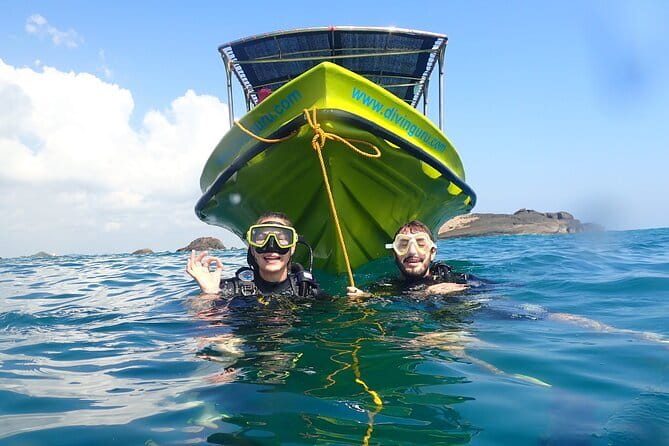
- 16 underwater sites, 6–30 m range: reefs, rocks, wrecks, and night sessions
- Galle harbor wrecks on the schedule: Rangoon (30 m), SS Oreste (22 m), and Galle Ship Wreck (18 m)
- Big reef critter potential: nudibranchs, macro life, and plenty of Indian Ocean fish
- Strong instruction vibe: calm, patient coaching and serious safety habits show up again and again with instructors like Leon, Supun, Tarush, Hans, and Norbert
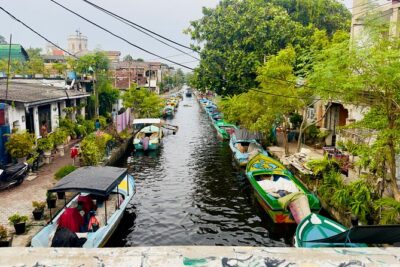
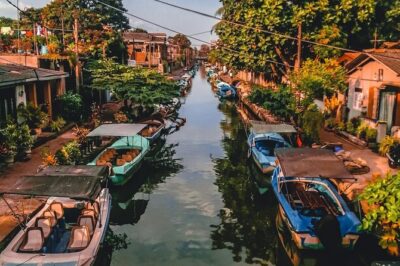
Negombo beyond the beach: fish market, canal and streets
- Motorcycle Rental in Negombo★ 5.0 · 103 reviews
- Half-Day Negombo City Tour with Ayurvedic Massage & Local Lunch★ 5.0 · 87 reviews
- Negombo City Tour by Tuk Tuk with hotel pickup★ 5.0 · 42 reviews
- Negombo Day Tour★ 5.0 · 37 reviews
- Fun and Scenic Negombo Tour by Tuk Tuk★ 5.0 · 33 reviews
First taste of the course: Unawatuna timing, small groups, and easy logistics
You’ll start at DIVINGURU Unawatuna, PADI 5 STAR IDC DIVE RESORT, S-36133, 294 Matara Rd, Unawatuna 80600. The course runs in a short burst—about 3 days—and the daily rhythm depends on whether you register in the morning or afternoon.
If you’re starting in the morning, plan to be there by 8:30 am for registration. For an afternoon start, you’ll need to arrive by 1:30 pm. This matters because you’re doing theory for each specialty before you hit the water, so a late start can make the day feel rushed.
The group size is capped at 8 people, which is a big deal for an Advanced course. It’s easier for the instructor to track buoyancy, check navigation steps, and correct gear handling before it becomes a problem.
You’ll also have the practical comforts included: bottled water, snacks, and coffee/tea, plus use of scuba equipment. Pickup is offered, and the experience uses a mobile ticket, both of which can simplify a day when you’re juggling heat, sunscreen, and a full schedule.
What you’ll learn: how Advanced Open Water Diver turns into real underwater control
The PADI Advanced Open Water Diver course here takes 2 to 3 days and includes 5 adventure underwater sessions. Before each water session, you do theory for that dive (the program notes this happens without an exam) for around half a day total across the course, and then you complete 2 or 3 sessions per day.
Two specialties are mandatory:
- Deep: planned training for going deeper than you’ve done before
- Underwater Navigation: learning how to stay oriented and move with purpose
Then you choose the remaining 3 adventure specialties with your PADI instructor. The options listed include wreck/boat-style experiences, peak performance buoyancy, fish ID, and similar add-ons. The big value of choosing your remaining specialties is that you can shape your “why.” Want more marine life skills? Fish ID can help. Want better trim and efficiency? Buoyancy training makes every future underwater outing easier.
This is also where the course earns its name: you’re not just checking boxes. You’re practicing skills you’ll use right away, especially in places with currents, confusing entry/exit points, or limited visibility—conditions that can show up around boats, wrecks, and deeper rocky areas.
The underwater site menu around Unawatuna and Galle harbor
This course is built around a shop with a lot of local options. They operate with around 16 different underwater sites, ranging from 6 to 30 m, and they run multiple “types” of sites so you don’t feel stuck in one habitat.
Here are the site styles and what they mean for your experience:


Reef and coral sites (mostly up to 18 m)
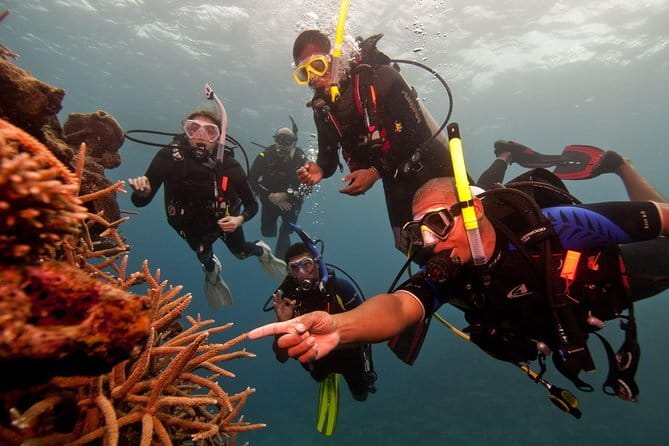
The shallow reef areas are where you can spot hard and soft corals (they note soft/hard corals are present up to 18 m, but are rare). That rarity is actually helpful: you won’t expect a constant garden of coral, so you’ll focus on the smaller things.
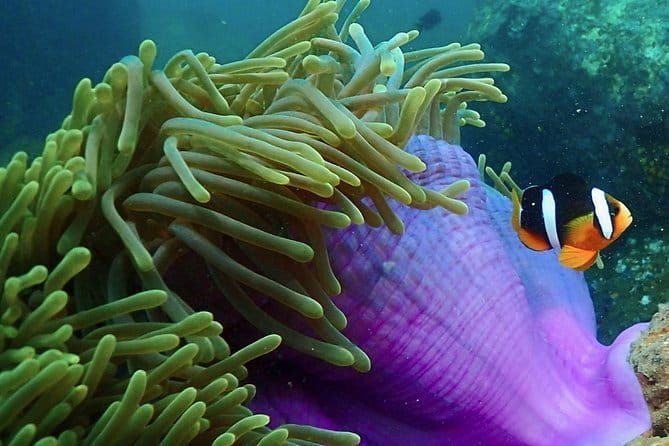
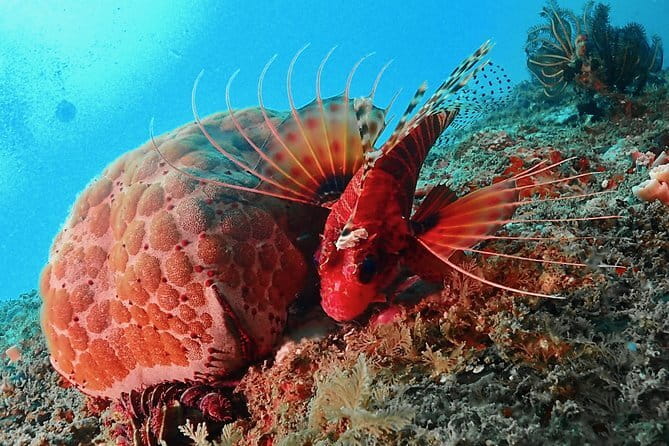
This is where macro life shines: nudibranchs, small reef critters, and Indian Ocean coral fish. If you like the slow, close-up underwater “look and learn” feeling, these sessions often deliver the most satisfaction.
Sandy-bottom sandy surprises: sting rays and open areas
At sandy areas you can find sting rays. Even if you don’t see one every time, going into the course with the right expectation helps: you’re practicing skills in the water while training your eyes to scan for movement on the bottom.
Deeper rocky valleys for exploration (beyond the reef line)
At the deeper sites, the description shifts toward rocky areas with deep valleys to explore. This kind of bottom can be great for learning how to control depth and buoyancy when your reference points are irregular. It also tends to change how you navigate—an easy way to see why Underwater Navigation is mandatory here.
Wreck-focused sessions near Galle harbor
If you want story and structure underwater, the wreck sites near Galle harbor are a major highlight:
- Rangoon Wreck at 30 m
- SS Oreste at 22 m
- Galle Ship Wreck at 18 m
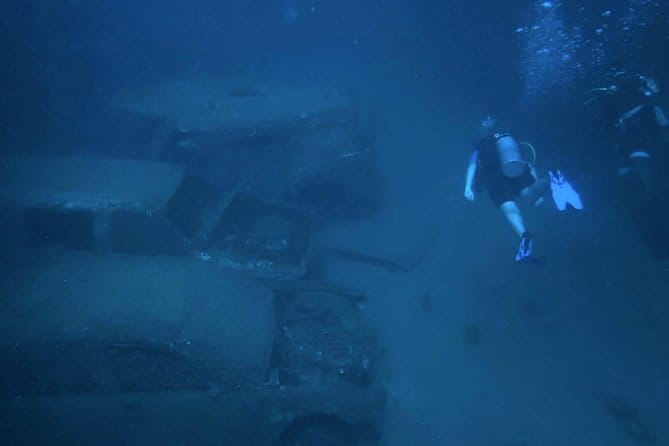
They also note that the most soft corals and fish show up at the two deeper wrecks. One detail worth mentally bookmarking: there are often hundreds and thousands of Sweet Lips around the wrecks, along with many other fish. That’s the kind of concentration that makes navigation skills feel worthwhile, because when fish activity is strong, you’ll want to stay calm and keep control so you don’t rush the moment.
Night sessions (for the adventurous eye)
They also offer night underwater sessions. Night adds a different kind of challenge: visibility cues change, buoyancy can feel trickier because your brain is less comfortable with darkness, and fish behavior can be completely different. If your goals include expanding confidence outside daylight, this is the ticket.
Instructor style and safety: what consistently shows up with this center
A course like Advanced Open Water is only as good as the instruction behind it. The repeated theme with named instructors—Leon, Tarush, Supun, Hans, and Norbert—is calm coaching, patience, and a serious approach to safety.
What this means for you on the training days:
- You’re likely to get clear explanations before you go in the water
- You’ll probably feel less rushed when correcting technique
- The instructor/buddy relationship matters—one person can’t babysit every detail at once, but good ratios and attention help you build confidence
There’s also a noted pattern of flexibility with preferences. That’s a big deal in practice, because not every person wants the same mix of specialties or underwater conditions.
If you care about doing the work properly (deep skills without panic, navigation without getting disoriented, buoyancy that doesn’t kick up sediment), this kind of instructor culture is often the difference between “I completed the course” and “I actually leveled up.”
Price and what’s included: where value is strong, and where extra costs creep in
The listed price is $225.51 per person for the course, for about 3 days. For that amount, you get practical inclusions:
- Use of scuba equipment
- Snacks
- Coffee and/or tea
- Bottled water
- Pickup offered (when arranged)
- Mobile ticket
Also, the course includes 5 adventure underwater sessions plus the required theory tied to each specialty.
Here’s what you should not ignore: the PADI fee of 70€ is not included. The notes say this covers the PADI Advanced Open Water Diver Manual and PADI certification costs. Teaching materials are also not included except for PADI eLearning (if you choose that route).
You have an option for theory online:
- If you want to do the theory via PADI AOWD eLearning, you purchase and register it on the PADI website and link the registration to Divinguru Unawatuna as the participating dive resort/provider (PADI 5 Star Dive Resort, S-36133).
Because you don’t know your total out-of-pocket until you factor in the PADI fee and materials, I suggest you budget like this: plan for the listed course fee plus the 70€ PADI component, and then decide whether online eLearning fits your travel style.
Bottom line on value: for a 3-day Advanced course with equipment included and a good variety of underwater sites (including major wrecks), the core price looks reasonable. The only real “gotcha” is that the PADI fee is separate, so your final total won’t match the headline price.
Day-by-day flow: what your 3 days usually feel like
The course takes 2 to 3 days, and the exact split depends on whether you register morning or afternoon. But the overall flow is consistent.
You’ll spend time on theory linked to each specialty (around half a day total for the course), then you’ll do 2 or 3 underwater sessions per day. That rhythm matters because your learning sticks best when theory isn’t stretched across weeks.
Also, Deep and Underwater Navigation are mandatory. So even if you choose lighter-sounding specialties like fish ID, you’ll still build core performance: staying calm at depth and moving with purpose.
Morning registration day (8:30 am)
If you start at 8:30 am, you’re essentially giving yourself the day to absorb theory and then get into the water without racing the clock. It’s the best choice if you want your gear setup to feel unhurried and your head space to be clear.
Afternoon registration day (1:30 pm)
Afternoon starts can work well if you’re already in the area and don’t want a full early morning. Just remember: you’ll still be juggling theory and multiple underwater sessions, so plan to rest earlier and avoid late-night commitments.
Who should book this course (and who might wait)
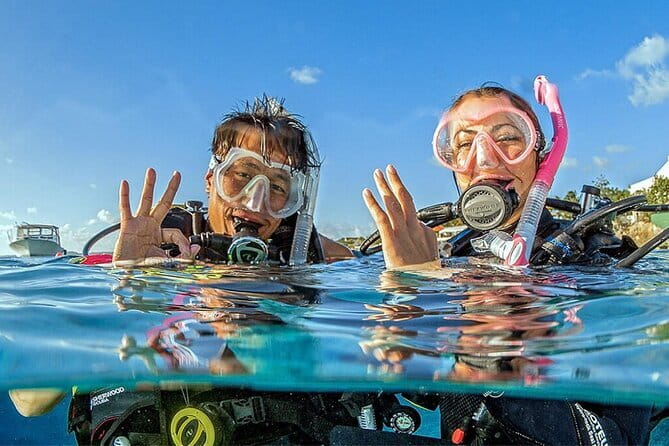
This course is for people who already meet the prerequisite: you must be an Open Water Diver. The minimum certification age is 12 years.
It’s also listed for moderate physical fitness. That doesn’t mean athlete-only fitness. It does mean you should be comfortable with the basics: getting in and out of the water, holding gear steady during checks, and being able to follow instructor cues quickly.
This is a strong fit if you:
- Want a structured jump from Open Water into deeper, more skill-based training
- Care about navigation and control, not just seeing fish
- Want wreck sites and the chance to see big concentrations of fish like Sweet Lips
You might wait if you’re expecting a purely leisurely snorkel-style outing. This is training, and the schedule includes multiple skills and underwater work over a short window.
Quick FAQ for planning your Advanced Open Water course
FAQ
How long is the PADI Advanced Open Water Diver course?
It takes around 2 to 3 days and includes 5 adventure underwater sessions.
Where does the course start?
The meeting point is DIVINGURU Unawatuna, PADI 5 STAR IDC DIVE RESORT, 294 Matara Rd, Unawatuna 80600, Sri Lanka.
What time do I need to arrive?
Start time is 8:30 am for morning registration, or 1:30 pm for afternoon registration.
What’s included in the price?
Included are scuba equipment, bottled water, snacks, and coffee and/or tea. Pickup is offered, and the experience ends back at the meeting point.
What isn’t included?
Lunch isn’t included. Also, PADI certification and teaching materials are not included, except for PADI eLearning if you purchase it separately.
How much is the PADI fee?
The notes say the PADI fee totals 70 Euros and is not included in the course fee.
Do I have exams for the course theory?
The information provided says you do theory for each specialty without an exam.
What are the mandatory specialties?
Deep and Underwater Navigation are mandatory.
Is there a weather or cancellation risk?
Yes. The experience requires good weather. If it’s canceled due to poor weather, you’ll be offered a different date or a full refund. There’s also a minimum number of travelers, and you may be offered a different date/experience or a full refund if that minimum isn’t met.
Should you book this Advanced Open Water Diver course?
If you want an Advanced course that mixes deep training, navigation skill, and real underwater variety—from reef critters to wrecks like Rangoon at 30 m and SS Oreste at 22 m—this is a good match. The value is strongest when you factor in what’s included (equipment, snacks, water, and multiple specialties) and when you budget for the separate 70€ PADI fee.
I’d book it if your priority is skill-building in a place with multiple site types and an instruction style that emphasizes patience and safety. Just go in with the right budget mindset, and you’ll get a lot more out of those 5 training sessions than a checklist-only experience.
More of Negombo
- Motorcycle Rental in Negombo
★ 5.0 · 103 reviews - Half-Day Negombo City Tour with Ayurvedic Massage & Local Lunch
★ 5.0 · 87 reviews - Negombo City Tour by Tuk Tuk with hotel pickup
★ 5.0 · 42 reviews - Negombo Day Tour
★ 5.0 · 37 reviews - Fun and Scenic Negombo Tour by Tuk Tuk
★ 5.0 · 33 reviews
Just added to the Negombo pages


Negombo Town & Beach Tours, compared.
 ★ 5.0Motorcycle Rental in NegomboFrom $17103 reviews
 ★ 5.0Half-Day Negombo City Tour with Ayurvedic Massage & Local LunchFrom $5287 reviews
 ★ 5.0Negombo City Tour by Tuk Tuk with hotel pickupFrom $2542 reviews
 ★ 5.0Negombo Day TourFrom $3537 reviews
 ★ 5.0Fun and Scenic Negombo Tour by Tuk TukFrom $2533 reviews
 ★ 5.0Galle Day Tour from Colombo or Negombo by Private Car , Van with DriverFrom $8031 reviews
 ★ 5.0Negombo: Private Half-Day Tuk-Tuk Tour with Hotel TransfersFrom $4231 reviews
 ★ 4.7Negombo Heritage Walking TourFrom $1427 reviews
Browse the lists this tour appears in