
Reviewed · POLONNARUWA & ANCIENT CITIES
Three Ancient Kingdoms Tour | from Colombo
Three kingdoms in one day means serious morning energy. This tour strings together Dambadeniya’s palace-and-temple remains and the story of kings who shaped writing and belief, plus it’s timed right for an early start from Colombo at 6:00 am. I also like that the first stop is efficient: you get a full look around without burning the whole day before you even reach the rock fortress.
What really makes it click is Yapahuwa—a granite-rock fortress with wide stairs, stone sculptures, and detailed carvings, then a climb up to view the summit stupa ruins. The one thing to plan around: entrance fees are not included for stops 2–4, and the itinerary needs moderate physical fitness because you’ll be climbing during the rock fortress visit.
In This Review
- Quick highlights
- The 6:00 am start from Colombo (and why it matters)
- Dambadeniya Ancient Kingdom Museum: palace walls, moats, and Tooth relic clues
- The travel gap to Yapahuwa: plan for the bumpy part
- Yapahuwa Rock Fortress: stairs, sculptures, and a summit stupa
- Panduwasnuwara: a 12-hectare ancient city with Panda Wewa
- Yapahuwa Ancient Kingdom: why capitals shifted, and what happened to the Tooth Relic
- What you get for $85: value, timing, and the entrance-fee reality
- Group size, private feel, and why the guide makes a difference
- Who should book this tour (and who should think twice)
- Quick booking checklist before you go
- Should you book this Three Ancient Kingdoms Tour from Colombo?
- FAQ
- What time does the tour start from Colombo?
- How long is the Three Ancient Kingdoms Tour?
- Is hotel pickup and drop-off included?
- What is included in the tour price?
- Are entrance fees included for all sites?
- Is food included during the day?
- Do I need a certain fitness level?
Quick highlights
- Dambadeniya’s Temple of the Tooth remains and royal palace complex (with gardens, walls, and moats to spot)
- Yapahuwa rock fortress climb: wide stairways, sculptures, and a summit stupa viewpoint
- Panduwasnuwara spread over nearly 12 hectares plus the Panda Wewa reservoir you can connect to early irrigation
- Two stops at Yapahuwa locations that explain why capitals shifted and what happened to the Sacred Tooth Relic
- Hotel pickup and drop-off in Colombo plus an air-conditioned vehicle for the long drives
- Most costs are predictable: the big sites have entrance fees you’ll pay separately, but transport, guide, and water are included
Deeper into Polonnaruwa and the ancient triangle
- Rustic taste & Cultural tales Food Tour Colombo★ 5.0 · 43 reviews
- Cultural Triangle of Sri Lanka★ 5.0 · 38 reviews
- Sigiriya, Polonnaruwa & Dambulla “Trilogy” Day Tour from Colombo★ 4.5 · 26 reviews
- Day Tour from Colombo to Sigiriya, Dambulla & Polonnaruwa★ 4.5 · 21 reviews
- Three Ancient Kingdoms Tour | from Colombo★ 5.0 · 18 reviews
The 6:00 am start from Colombo (and why it matters)
Pickup starts at 6:00 am from your Colombo hotel, and the tour runs about 10 hours. That early departure isn’t just a schedule choice—it’s what lets you reach the Northwestern Province sites and still have time at each place.
You’ll also want to take the “breakfast on the way” advice seriously. The drive to the first stop takes about 2 hours, and the tour recommends bringing a packed breakfast. If you rely on buying something after you’re already en route, you may end up hungry at the first viewpoint when you’d rather be focused on ruins and details.
Dambadeniya Ancient Kingdom Museum: palace walls, moats, and Tooth relic clues
Your first stop is Dambadeniya Ancient Kingdom Museum, with about 1 hour on-site. Admission here is listed as free, which is a nice relief early in the day when you haven’t yet started paying for other entrances.
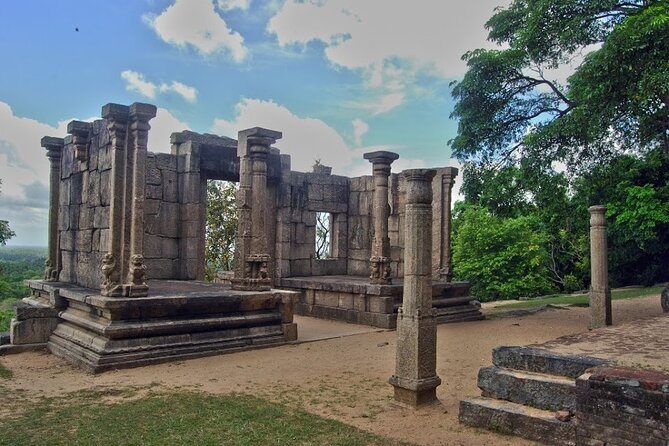
This is the kind of stop that rewards slow looking. You’re not just walking through isolated stones—you’re seeing the royal palace complex laid out with gardens, walls, and moats. Those features help you picture how space was planned for a palace, not just how it later crumbled.
The other reason I like this stop is the Tooth-relic angle. You’ll see recently excavated remains tied to the old Temple of the Tooth, where the Tooth Relic was previously housed. Even without a long lecture, that connection makes the later stops feel more linked, because Sri Lanka’s sacred relic history shows up again at multiple sites on this route.
There’s also a specific cultural note tied to the kingdom’s peak in the mid-13th century. King Parakramabahu II is described as a peaceful ruler who pushed Sinhalese literature higher, with poetic works named Kavisilumina and Visuddi Marga Sannasa. If you enjoy small, concrete references like book titles, this stop gives you those anchors.
The travel gap to Yapahuwa: plan for the bumpy part
After Dambadeniya, you leave at 9:00 am and arrive at Yapahuwa at 10:30 am. That includes time in the vehicle, so this is when your day either feels smooth or feels long, depending on your tolerance for long drives.
You’ll be moving in an air-conditioned vehicle, which helps with comfort, and you’ll get a 1-liter water bottle per person as part of the included features. Still, remember that food and drinks are not included, so keep snacks and water habits in mind—especially because you’ll be doing a climb later.

Yapahuwa Rock Fortress: stairs, sculptures, and a summit stupa
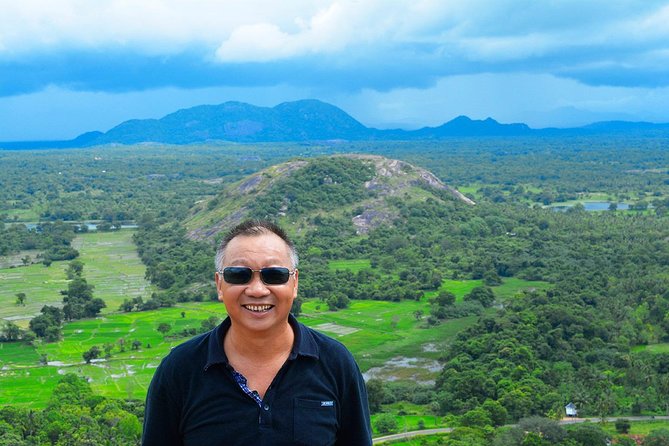
Yapahuwa Rock Fortress is where the tour turns from “ruins with context” into “ruins with a physical effort.” You’ll have about 2 hours here, but admission is not included, so check your budget for site fees.
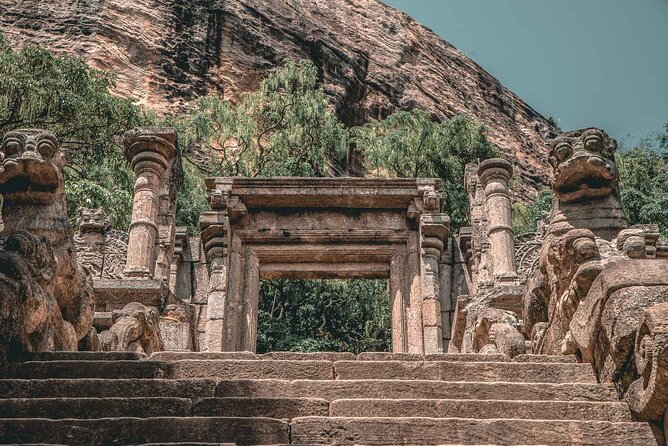
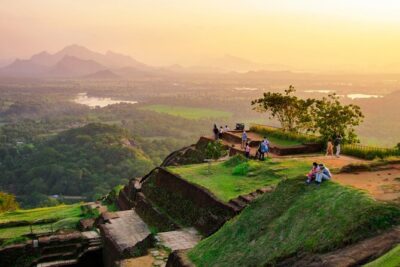
Yes, the fortress is described as being built in a style similar to Sigiriya—but don’t expect the same look. The architecture is said to be completely different, with wide staircases, stone sculptures, and highly detailed carvings on pillars. That “different but related” framing helps you connect the idea of rock fortresses without turning it into a copy-paste photo stop.
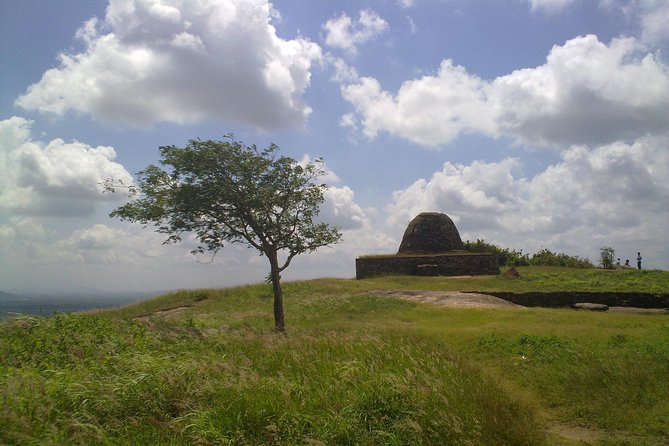
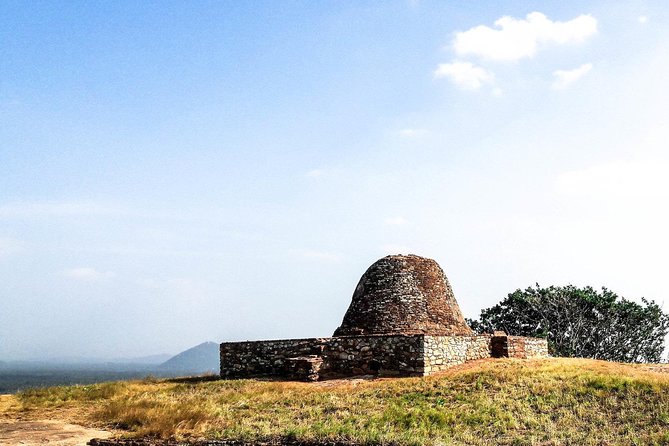
You’ll also be able to climb to the fortress level and view ruins of the stupa on the summit. The summit stupa is noted for statues and imagery linked to the Kandyan era, which gives you a time layer beyond just the original fortress period.
One practical consideration: this is the part of the day where your pace matters. The tour expects you to have moderate physical fitness, so if climbing is not your thing, plan to go slowly and take breaks where you can.
Panduwasnuwara: a 12-hectare ancient city with Panda Wewa
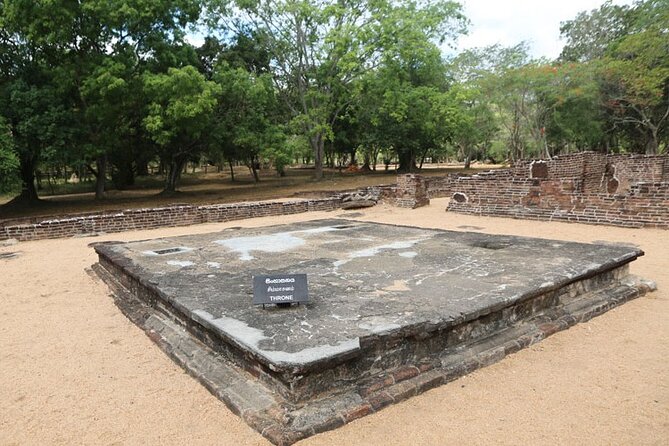
Next comes Panduwasnuwara Kingdom, reached after a drive of about 1.5 hours. You get roughly 1 hour on-site, and admission is listed as not included, so again, plan for separate entrance payments.
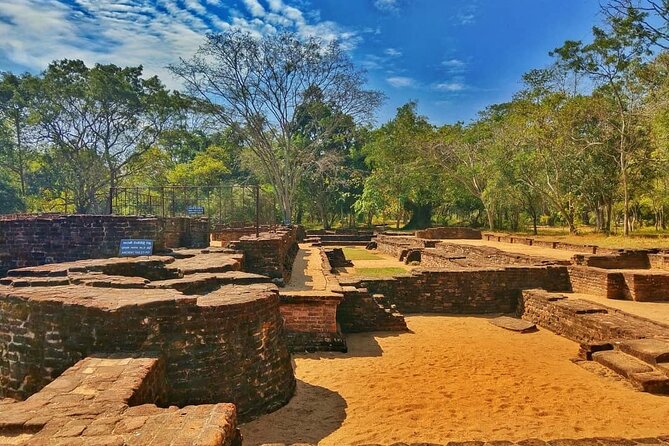
This stop is spread out—ruins cover almost 12 hectares. That scale changes how you experience it. Instead of being “done” when you reach one main viewpoint, you’re more likely to feel like you’re walking a larger historic footprint, with different groups of remains across the area.
What makes Panduwasnuwara especially meaningful is the long time span. It’s described as one of Sri Lanka’s first kingdoms, with capital status noted for the 5th century BC, and then later reuse in the 12th century. That’s why you’ll see a mix of ruins from more than one era during your visit.
Three highlights are called out:
- A recently restored two-storied former Temple of the Tooth
- Ruins of the royal palace
- Panda Wewa, an artificial reservoir described as one of the earliest irrigation systems made by man
If you enjoy connecting religion and power to daily life, Panda Wewa is the bridge. A reservoir isn’t “just ruins”—it’s infrastructure. It helps you think past kings and temples and toward how people lived, farmed, and sustained communities.
Yapahuwa Ancient Kingdom: why capitals shifted, and what happened to the Tooth Relic
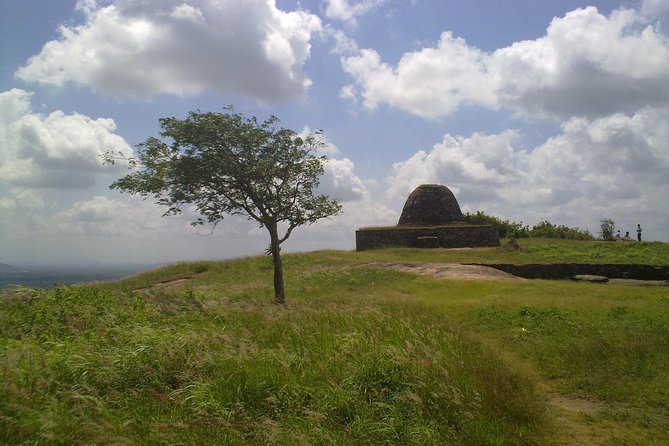
After Panduwasnuwara, you have a shorter 30-minute stop at Yapahuwa Ancient Kingdom. Admission is again listed as not included. This is not a long wandering visit, so you’ll want to treat it like a focused “here’s what this place meant” chapter.
The key image here is the citadel rising from a giant granite rock, about almost 100 meters above the lowlands. The location is described as midway between Kurunagala and Anuradhapura, which helps you orient this site within the broader geography of the country.
The story is also pretty direct about political pressure:
- In 1272, King Bhuvenakabahu transferred the capital from Polonnaruwa to Yapahuwa during Dravidian invasions from South India, bringing the Sacred Tooth Relic with him.
- In 1284, after his death, the Pandyans of South India invaded again and succeeded in capturing the Sacred Tooth Relic.
- After the Tooth Relic was captured, Yapahuwa was largely abandoned and then inhabited by Buddhist monks and religious ascetics.
This chapter matters because it explains why you’re visiting multiple Yapahuwa-related places in one tour. The rock fortress isn’t just a pretty structure on a hill—it’s tied to the shifting center of power and the movement of sacred authority.
What you get for $85: value, timing, and the entrance-fee reality
The price is $85 per person, with the tour commonly booked about 7 days in advance. For that amount, you’re paying for the day to run smoothly: hotel pickup and drop-off in Colombo, transport by an air-conditioned vehicle, and an English-speaking chauffeur guide.
You also get a mobile ticket, which is useful when you’re moving across multiple sites. And the 1-liter water bottle included is practical on a full-day route.
Where the budgeting gets real is admissions. The tour lists entrance fees as not included for stops 2–4. Dambadeniya’s admission is listed as free, but if you’re the type who hates surprises, you’ll want to set aside extra for the rock fortress and the two later Yapahuwa-related sites.
Food and drinks are also not included. The day is long enough that you’ll feel that quickly—especially with a packed breakfast recommended for the early drive. My advice is simple: bring snacks you like and plan on paying for meals yourself.
Group size, private feel, and why the guide makes a difference
This is a private tour/activity, meaning only your group participates. That tends to make the day feel less rushed and more responsive. You can ask practical questions without waiting for other people to catch up, and the guide can pace you more naturally.
The tour includes an English-speaking chauffeur guide, and the overall feedback around this experience highlights good communication and a flexible, accommodating approach. In practical terms, that’s the difference between seeing ruins as random stones versus understanding what you’re looking at—like why Tooth-relic references keep showing up across stops.
You don’t have to be a scholar to enjoy it. But if you pay attention to the named themes—temples, palaces, fortresses, irrigation, and the Sacred Tooth Relic—you’ll come away with a clear thread.
Who should book this tour (and who should think twice)
This tour fits best if you want a single-day route that covers multiple ancient kingdoms without needing to coordinate separate transport. It’s also ideal if you enjoy physical landmarks: rock stairs, summit viewpoints, and the layout of palace and temple remains.
You should think twice if you have limited interest in climbing. The rock fortress involves stairs and a climb to the summit stupa ruins, and the tour calls for moderate physical fitness. Also, if you dislike planning around extra entrance fees, remember that tickets are not included for several stops.
The weather requirement is also worth taking seriously. The tour notes it needs good weather, and if conditions are poor, the experience can be moved to another date or refunded.
Quick booking checklist before you go
- Plan on a packed breakfast for the early drive
- Bring a light layer for morning hours and a hat for sun when you’re outside
- Budget extra for entrance fees at stops 2–4
- Eat before you’re hungry: food isn’t included, and the day runs about 10 hours
- Take it slow at Yapahuwa Rock Fortress if stairs are a challenge
Should you book this Three Ancient Kingdoms Tour from Colombo?
I’d book it if you want one organized day that connects Dambadeniya, Yapahuwa, and Panduwasnuwara through repeating themes: sacred authority (the Tooth Relic), power (royal palaces and shifting capitals), and practical life (like Panda Wewa). The mix of walking, climbing, and time-focused stops makes it feel efficient without being a frantic “see everything” sprint.
I’d skip it if you’re hoping for fully included site entrances or a low-effort day. With several admissions listed as not included and a rock-fortress climb on the schedule, this tour works best when you’re ready for a bit of physical effort and a bit of budgeting.
FAQ
What time does the tour start from Colombo?
The start time is 6:00 am, with pickup from your Colombo hotel.
How long is the Three Ancient Kingdoms Tour?
It runs for about 10 hours.
Is hotel pickup and drop-off included?
Yes. Hotel pickup and drop-off from Colombo hotels are included.
What is included in the tour price?
Included features are transport by an air-conditioned vehicle, an English-speaking chauffeur guide, a 1-liter water bottle per person, and hotel pickup and drop-off. You also get a mobile ticket and the tour lists group discounts.
Are entrance fees included for all sites?
No. Entrance fees for sites are not included, except Dambadeniya Ancient Kingdom Museum which is listed as free.
Is food included during the day?
No. Food and drinks are not included. The tour recommends bringing a packed breakfast for the trip to Dambadeniya.
Do I need a certain fitness level?
The tour asks for a moderate physical fitness level, and there is a climb involved at Yapahuwa Rock Fortress.
Deeper Into the Ancient Cities
- Rustic taste & Cultural tales Food Tour Colombo
★ 5.0 · 43 reviews - Cultural Triangle of Sri Lanka
★ 5.0 · 38 reviews - Sigiriya, Polonnaruwa & Dambulla “Trilogy” Day Tour from Colombo
★ 4.5 · 26 reviews - Day Tour from Colombo to Sigiriya, Dambulla & Polonnaruwa
★ 4.5 · 21 reviews - Sri Lanka Private 3-Day Cultural Tour, 5 UNESCO Sites
★ 4.4 · 14 reviews
Just added to the Colombo pages

Polonnaruwa & Ancient Cities, compared.
 ★ 5.0Rustic taste & Cultural tales Food Tour ColomboFrom $7043 reviews
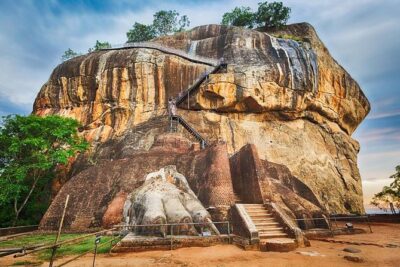 ★ 5.0Cultural Triangle of Sri LankaFrom $47038 reviews
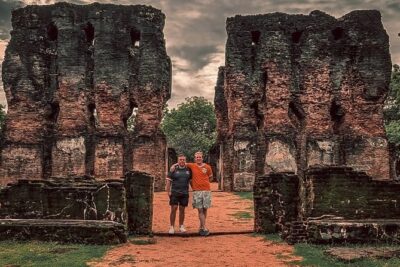 ★ 4.5Sigiriya, Polonnaruwa & Dambulla “Trilogy” Day Tour from ColomboFrom $9226 reviews
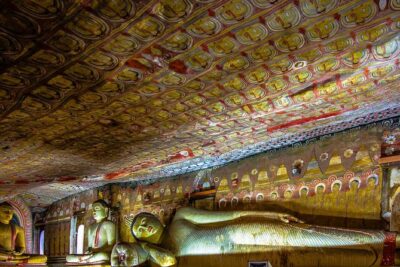 ★ 4.5Day Tour from Colombo to Sigiriya, Dambulla & PolonnaruwaFrom $9221 reviews
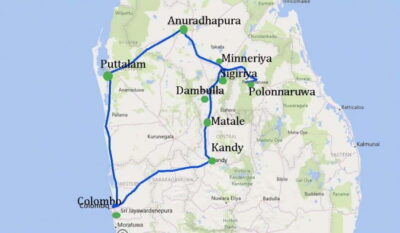 ★ 4.4Sri Lanka Private 3-Day Cultural Tour, 5 UNESCO SitesFrom $49014 reviews
 ★ 5.011 Days Tour Of TaprobaneFrom $9607 reviews
 ★ 5.0Colombo To Polonnaruwa,Dambulla,Sigiriya & Kandy 3 Day TourFrom $3407 reviews
 ★ 4.5Day Tour Anuradhapura from Kandy by Lux Tours LankaFrom $1255 reviews
Browse the lists this tour appears in