
Reviewed · STREET FOOD & LOCAL EATS
Vegan Cooking Class Colombo with Market Tour
Cooking here starts at the market. The real hook is the way your meal begins with shopping for ingredients the local way, helped by a guide who can smooth out the language gap. You’ll start with a market tour that teaches you how Sri Lankans choose vegetables and spices, not just what to cook.
I also like that this is built around private, one-to-one instruction. You get coaching while you cook, and you’re using clay pots, which change the texture of food in a very noticeable way. One thing to consider: some of the listed menu options include non-vegan items (like chicken curry and buffalo curd with honey), so you’ll want to be explicit about your vegan dietary needs when you book.
In This Review
- Key Things That Make This Class Worth Your Time
- From Kollupitiya Meeting Point to a Calm Villa Start
- The Local Market Tour: Where You Learn to Choose Like a Grandma
- Clay Pots in Colombo: Why This Technique Matters
- One-to-One Chef Coaching: The Difference Between Watching and Making
- Your Menu Choices: Rice, Curries, Leafy Salads, and Papdum
- Rice options
- Curry options (and vegan confirmation)
- Leafy salad (mallum) choices
- Enhancers: papdum
- The Sri Lankan Kitchen Secret: Techniques That Change the Whole Dish
- Drinks, Dessert, and the Vegan Reality Check
- Where the Value Actually Comes From at $80 Per Person
- Timing and Practical Stuff That Affects Your Day
- Who This Colombo Vegan Cooking Class Is Best For
- Should You Book This Colombo Vegan Market-and-Cooking Tour?
- FAQ
- How long is the Colombo vegan cooking class with market tour?
- Is pickup included?
- What happens before the market visit?
- What food and drinks are included?
- Can you tailor the menu for your tastes?
- Are vegetarian or dietary options available?
- Where does the tour start and end?
Key Things That Make This Class Worth Your Time
- You shop for your meal at a real Colombo market and learn how to pick vegetables and spices properly
- Private, one-to-one cooking help means you’re not stuck watching while others cook
- Clay-pot cooking is the star technique for tender, slow-cooked results
- Menu choices let you tailor the experience with rice, curries, and leafy salads
- Hands-on pacing and lots of Q&A help you repeat the dishes later
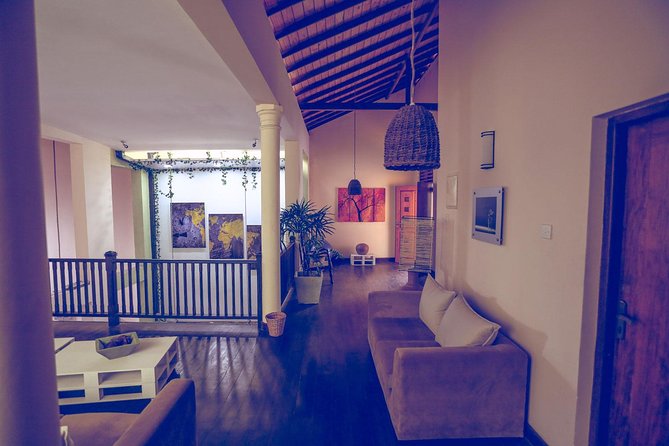
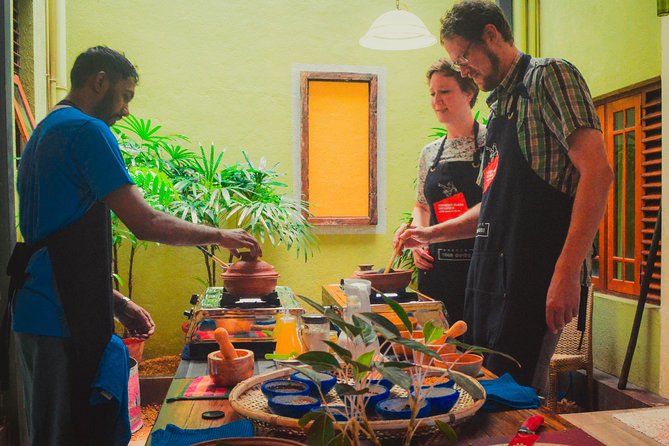
- A calm villa setting in Colombo’s green belt gives you a breather from traffic and noise
Still hungry? More Colombo food trails to follow
- Colombo Tuk Tuk City Tour -Sightseeing Entry Fees & Food Included★ 5.0 · 678 reviews
- Colombo Local Food Tour by Tuk Tuk – All Inclusive★ 4.9 · 261 reviews
- Colombo: Private City Tour with Local Food Tour by Tuk-Tuk★ 4.8 · 186 reviews
- The 10 Tastings of Colombo With Locals: Private Street Food Tour★ 4.5 · 71 reviews
- Colombo tuk tuk city tour -Entry Fees, and food Included★ 5.0 · 55 reviews
From Kollupitiya Meeting Point to a Calm Villa Start
Most days begin at the Travel Footprint -Srilanka Kollupitiya area in Colombo. The experience also lists pickup as offered, but the details note that hotel pickup isn’t included—so I’d treat the meeting point as the main plan and confirm where pickup would happen for your specific hotel. Once you’re connected with the guide, your start feels simple and organized.
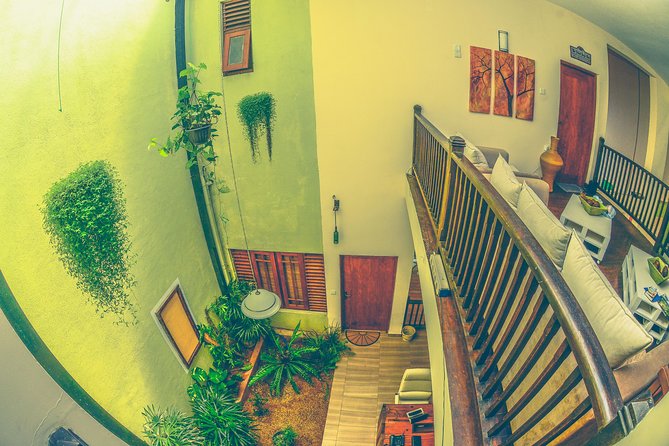
Before you go to the market, you’ll be welcomed with freshly made fruit juice or an herbal drink. Then you’ll spend time at the villa: check in, get refreshed, and settle before the food shopping part of the day. The villa location is described as being near the Sri Lankan Democratic Parliament and Immigration Office, close to Diyawanna Lake, and positioned as part of Colombo’s green belt. That matters more than you might think. Market tours can crank up your senses fast, so having a quiet place to reset helps you stay alert for what you’re learning.
The Local Market Tour: Where You Learn to Choose Like a Grandma
The market visit is the section that turns a cooking class into a skills lesson. You’re not just walking past produce—you’re learning what to look for, how to judge freshness, and how to think about ingredients the way Sri Lankans do.
The guide frames the market as the place where you understand buying decisions that are hard to learn from a recipe alone. The experience description even points to the idea that Sri Lankan grandmas pick vegetables from their back yard soon before cooking, which sets the expectation: freshness and ingredient choice drive the final taste. In practice, this is where you’ll likely get help with questions like what to choose when you want a certain texture, how spices change depending on what you can get locally, and how to avoid buying things that look right but won’t perform the way you expect in a curry or salad.
A detail I really like is the market comparison: it’s said to feel similar to European eco shops, meaning you can expect lots of recognizable basics and a layout that’s easier to understand than some chaotic markets. It still feels local and active, but it’s not a random stroll. This is where you build the ingredient instincts that make the later cooking feel logical instead of mysterious.
Clay Pots in Colombo: Why This Technique Matters
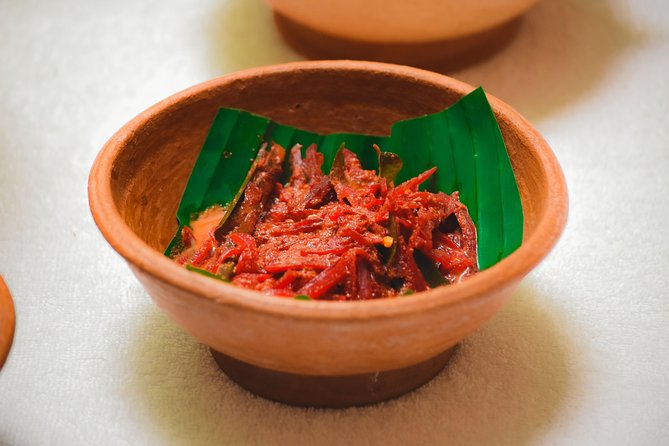
Now for the hands-on part: clay pot cooking. If you’ve only cooked with metal or glass, clay changes things. The experience notes that clay pottery is one of the oldest crafts in Sri Lanka, and the goal isn’t just novelty. A technically made, well-seasoned clay pot has porous walls. Those pores absorb water, which helps prevent food from drying out—especially useful for slow cooking.
You’ll also hear the practical reason clay pots are valued for longer cooks: the porous structure supports that slow, steady moisture environment. The description also cites research claiming food cooked in clay pots can be preserved longer due to antibacterial, acidic moisture. I don’t want you to think of this as a food-safety cheat code for modern life, but it does explain why clay cooking has stayed popular. It’s not a gimmick. It’s a method that affects texture and cooking behavior.
In a vegan class, clay pots are especially helpful because you’re relying on plant ingredients to deliver depth. Coconut-based and lentil-based dishes (common in Sri Lankan cooking) benefit from gentle heat and steady moisture. Even if you don’t memorize every detail, you’ll leave with a repeatable approach: slow cook, keep moisture working for you, and let flavor build.
Market-to-table cooking classes worth a morning
One-to-One Chef Coaching: The Difference Between Watching and Making
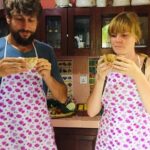
The private format is the reason this class works so well for learning. You’re not competing for attention, and you’re not guessing. The experience is designed for one-to-one instruction, and the included professional guide helps keep things moving and clear.
In the kitchen, expect a hands-on pace. The class setup emphasizes doing the work yourself—mixing, preparing, assembling, and cooking your chosen dishes. That matters if you want to replicate the food at home. Cooking classes that feel like a demo are fun, but they don’t translate well. Here, your hands are part of the lesson.
I’d also plan to ask questions as you go. The cooking instructions are structured, but the helpful part is your ability to get answers on the spot—ingredient swaps, texture checks, and timing. If you’re the kind of person who likes to understand why a dish tastes the way it does, this style is built for that.
Your Menu Choices: Rice, Curries, Leafy Salads, and Papdum
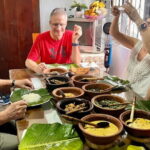
This is a choose-your-own-menu setup. That’s a big deal for value because it lets you steer the class toward what you actually want to eat. You’ll select:
- one of the Sri Lankan rice options: White Rice, Yellow Rice, or Brown Rice
- one traditional curry option
- one leafy salad (mallum) option
- optional enhancers like papdum
Rice options
Rice in Sri Lankan meals isn’t just a side. Your choice affects what you scoop and how the meal feels overall. If you like classic comfort, white rice is straightforward. If you want more character, yellow rice or brown rice can change the vibe of the plate.
Curry options (and vegan confirmation)
The listed curry options include Sri Lankan Dhal curry, Sri Lankan Coconut Sambol, Sri Lankan Potato Curry, and Fried Mushroom. The list also mentions Sri Lankan Chicken Curry. Since this is described as a vegan cooking class, I’d treat that chicken option as something you should confirm before you arrive. If you see it on the selection list, ask how the chef keeps everything vegan.
Leafy salad (mallum) choices
For the mallum, you can choose from gotukola, mugunuanna, gova mallum, kankun mallum, or aguna kola mallum. Leafy salads in Sri Lankan cooking can be a major flavor moment because they bring freshness and a distinct bite that balances richer curries. If you like salads that taste like something, this is where you’ll get it.
Enhancers: papdum
Papdum is included as an enhancer option. If you’ve never had it, this is one of those Sri Lankan bread-ish add-ons that can make the meal feel complete without needing an extra course.
The Sri Lankan Kitchen Secret: Techniques That Change the Whole Dish
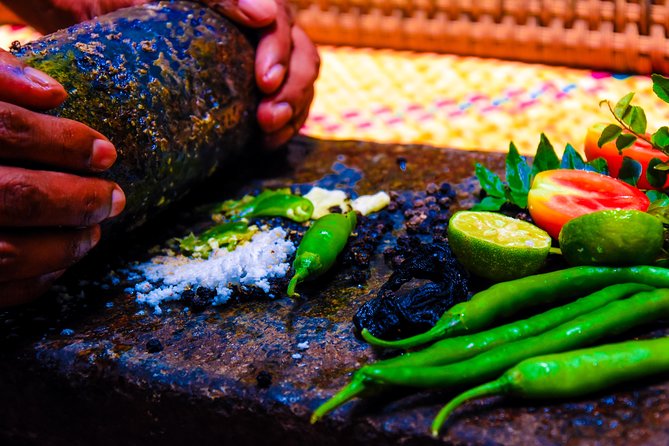
Even locals can get confused by cooking styles that aren’t obvious by color, aroma, and taste. That line tells you what you need to know: Sri Lankan curry-making isn’t one-size-fits-all. The experience describes thousands of curry types and a wide range of cooking techniques and ingredients.
So what should you expect in your class? You’ll likely see how different methods create different results even when the ingredients overlap. That’s the kind of learning that actually helps you cook later. Instead of memorizing one recipe, you learn the logic behind Sri Lankan cooking: small changes in technique can make a big difference.
If you’re hoping to leave with a deeper understanding of spice use, ask your chef to explain which spices they’re using and when they’re adding them. The market visit and the one-to-one coaching are built to support exactly that kind of understanding.
Drinks, Dessert, and the Vegan Reality Check
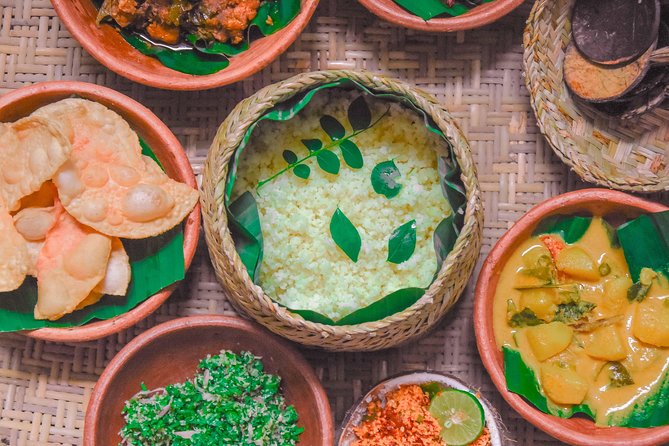
This experience includes light refreshments and bottled water, plus coffee and/or tea. You’ll also have tea or coffee as part of dessert.
The description mentions tasting a local beer and also mentions buffalo curd with honey as a dessert item, plus tropical fruits. Here’s the careful part: alcoholic drinks aren’t listed as included, and buffalo curd with honey isn’t vegan. So if you’re strictly vegan, you should clearly flag your dietary requirements at booking and ask what’s served instead.
I like that the booking instructions explicitly ask you to advise specific dietary requirements. That’s your leverage. Use it. Get clarity so you won’t be surprised in the kitchen.
Where the Value Actually Comes From at $80 Per Person
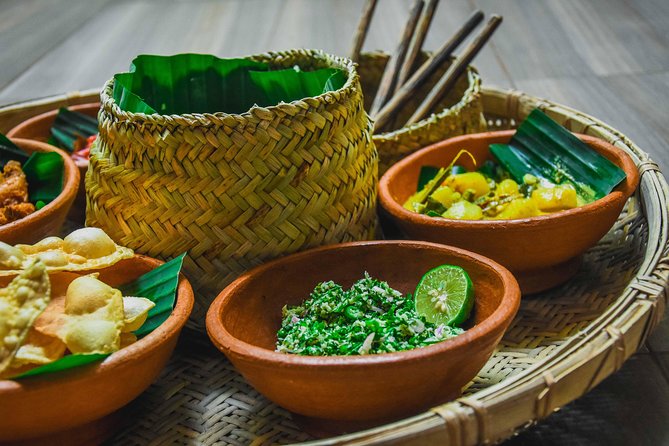
At $80 per person, this doesn’t look cheap on the surface. But for a private cooking class with a market tour, it starts to make more sense—especially when you compare what’s included.
You’re paying for:
- a market visit with a guide who helps you choose ingredients
- private, one-to-one cooking instruction
- clay pot cooking with hands-on work
- bottled water, light refreshments, and coffee/tea
- a meal built around your chosen Sri Lankan rice, curry, and mallum options
This is the kind of experience where value is tied to learning. You’re not just buying dinner. You’re buying the ability to shop and cook with a more Sri Lankan approach when you’re back home. That’s especially useful if you’ve ever tried to follow an online recipe and found it tastes wrong because the spice blend or ingredient choice didn’t match what the dish needs.
Also, the experience is reportedly booked about 30 days in advance on average, which suggests it’s popular for a reason. If you’re traveling in peak season, I’d plan ahead rather than waiting until the last week.
Timing and Practical Stuff That Affects Your Day
The cooking class runs about 5 hours. It also has set opening hours listed as Monday through Sunday, 9:30 AM to 3:30 PM. Transfers are approximate, and traffic can change how long you spend moving between spots.
Dress code is smart casual. I’d wear something comfortable for market walking and cooking prep. If you have sensitive skin or you dislike strong spice smells, plan for it—markets and kitchens here can be aromatic and active.
Finally, the experience requires good weather. If rain changes plans, you should expect the provider to offer a different date or a full refund. That’s not something you want to learn after you’ve planned the rest of your trip, so keep that buffer in mind.
Who This Colombo Vegan Cooking Class Is Best For
I’d point you here if:
- you want a hands-on Sri Lankan cooking class, not a sit-and-watch demo
- you care about learning how to pick ingredients, not just following steps
- you’d enjoy clay-pot cooking and want a technique you can repeat
- you travel with dietary needs and want a guided place to communicate them
I’d hesitate if:
- you’re looking for a quick, casual snack experience rather than a structured lesson
- you’re not willing to clarify your vegan requirements, especially since some menu listings include non-vegan items
- your schedule is tight enough that a ~5-hour block plus market time feels risky
Should You Book This Colombo Vegan Market-and-Cooking Tour?
Yes, I think it’s a strong pick if you’re the type who wants more than a meal. The best part is the pairing: market buying skills plus clay-pot cooking instruction with private coaching. That combination helps you understand what you’re making and why it tastes the way it does.
Before you book, do two simple things:
1) Confirm your vegan requirements explicitly, especially if you see chicken curry or buffalo curd with honey listed in the options.
2) Message about pickup versus the meeting point in Kollupitiya, so you’re not guessing on the day.
If you get those details lined up, this is the kind of Colombo experience that turns “I ate Sri Lankan food” into “I can cook it,” and that’s the real travel win.
FAQ
How long is the Colombo vegan cooking class with market tour?
It’s about 5 hours (approx.). The exact timing can shift based on transfer times and traffic.
Is pickup included?
The experience lists pickup as offered, but the details also say hotel pickup is not included. The meeting point is at Travel Footprint -Srilanka Kollupitiya, and the activity ends back at the meeting point, so it’s best to confirm whether pickup applies to your hotel.
What happens before the market visit?
You’ll be welcomed with freshly made fruit juice or a herbal drink, then you’ll spend time at the villa to check in, refresh, and get prepared for the market visit.
What food and drinks are included?
Included items are bottled water, light refreshments, and coffee and/or tea. Alcoholic drinks (including beers) are not included, and food and drinks are only included as specified.
Can you tailor the menu for your tastes?
Yes. You choose from options for rice, traditional curries, leafy salad (mallum), and an enhancer like papdum.
Are vegetarian or dietary options available?
Vegetarian options are available, and you’re asked to advise specific dietary requirements at booking. This is the time to specify that you want the class kept vegan.
Where does the tour start and end?
It starts at Travel Footprint -SrilankaKollupitiya, Colombo. It ends back at the meeting point.
More Hands-On Colombo Sessions
- Colombo Cooking Class
★ 5.0 · 151 reviews - Market Tour and Hands-On Cooking Class Colombo
★ 5.0 · 140 reviews - Cooking Class Sri Lanka with Locals
★ 5.0 · 101 reviews - Authentic Sinhalese Cooking Class in Colombo with a Local Family
★ 5.0 · 9 reviews - Cooking class in Srilanka
★ 5.0 · 8 reviews
One More Curry Pot
- Colombo Cooking Class
★ 5.0 · 151 reviews - Market Tour and Hands-On Cooking Class Colombo
★ 5.0 · 140 reviews - Cooking Class Sri Lanka with Locals
★ 5.0 · 101 reviews - Colombo Cooking Experiance with Explore Market
★ 4.7 · 33 reviews - Authentic Sinhalese Cooking Class in Colombo with a Local Family
★ 5.0 · 9 reviews
One More Plate in Colombo
- Colombo Tuk Tuk City Tour -Sightseeing Entry Fees & Food Included
★ 5.0 · 678 reviews - Colombo Local Food Tour by Tuk Tuk – All Inclusive
★ 4.9 · 261 reviews - Colombo Express Food Tour with 9 + Tastings
★ 5.0 · 200 reviews - Colombo: Private City Tour with Local Food Tour by Tuk-Tuk
★ 4.8 · 186 reviews - The 10 Tastings of Colombo With Locals: Private Street Food Tour
★ 4.5 · 71 reviews
Just added to the Colombo pages





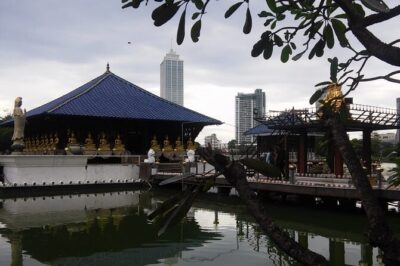
Street Food & Local Eats, compared.
 ★ 5.0Colombo Tuk Tuk City Tour -Sightseeing Entry Fees & Food IncludedFrom $34678 reviews
 ★ 4.9Colombo Local Food Tour by Tuk Tuk – All InclusiveFrom $36261 reviews
 ★ 5.0Colombo Express Food Tour with 9 + TastingsFrom $35200 reviews
 ★ 4.8Private City Tour with Local Food Tour by Tuk-TukFrom $32186 reviews
 ★ 4.5The 10 Tastings of Colombo With Locals: Private Street Food TourFrom $9771 reviews
 ★ 5.0Colombo tuk tuk city tour -Entry Fees, and food IncludedFrom $3055 reviews
 ★ 4.9Tastiest Local Food Tour by Tuk-Tuk Meals IncludedFrom $3243 reviews
 ★ 5.0Rustic taste & Cultural tales Food Tour ColomboFrom $7043 reviews
Browse the lists this tour appears in