
Reviewed · MARKET & CURRY COOKING CLASSES
Cooking class in Srilanka
A real family-style meal starts with your own hands. This Colombo cooking class is built for doing, not watching, with you making around 10 dishes plus traditional desserts in about 3 hours. You’ll cook in clay pots, and the chef keeps things very practical—what to do, how to season, and how the Sri Lankan rhythm of cooking actually works.
Two things I really like: you don’t just learn recipes, you cook them yourself, and you get authentic coaching while you’re in the middle of the process. The second big win is the home-style setup—one review describes shared preparation and cooking duties with the family, turning the class into more of a communal meal than a classroom performance.
One consideration: this is weather-dependent and hands-on, so if you’re hoping for a dry, indoor-only demo feel, plan for a bit of mess and movement. Also, because it’s a private experience, confirm the details that matter for your group before you go.
In This Review
- Key highlights worth your time
- Colombo Cooking Class: Hands-On Sri Lankan Cooking in 3 Hours
- Your Clay Pot Lesson: Why Traditional Cooking Matters Here
- What You Do During the Session (Not Just What You Watch)
- Chef Coaching and Spice Talk: How Authentic Style Gets Transferred
- The Value of Making Around 10 Dishes
- Where to Meet in Colombo (Angoda): Easy Start, Easy Finish
- Price and What You’re Really Paying For ($50)
- Who This Cooking Class Is Best For
- What Past Feedback Signals About the Experience
- Tips to Get the Most Out of Your Session
- Should You Book Colombo Cooking Class in Angoda?
- FAQ
- How long is the Sri Lankan cooking class in Colombo?
- How many dishes will I cook?
- Are clay pots used during the cooking?
- Is this a private tour?
- Where is the meeting point in Colombo?
- What’s the cancellation policy?
Key highlights worth your time
- Clay pot cooking for a more traditional Sri Lankan flavor and technique
- You cook all the dishes (around 10 items plus desserts), guided step-by-step
- Chef-led explanations of authentic cooking style and spice use
- A menu is provided, so you’re not guessing what comes next
- Private group format so your session stays focused on your crew
- Mobile ticket for smoother check-in
Market-to-table cooking classes worth a morning
- Market Tour and Hands-On Cooking Class Colombo★ 5.0 · 140 reviews
- Cooking Class Sri Lanka with Locals★ 5.0 · 101 reviews
- Colombo Cooking Experiance with Explore Market★ 4.7 · 33 reviews
- Vegan Cooking Class Colombo with Market Tour★ 5.0 · 9 reviews
- Authentic Sinhalese Cooking Class in Colombo with a Local Family★ 5.0 · 9 reviews
Colombo Cooking Class: Hands-On Sri Lankan Cooking in 3 Hours
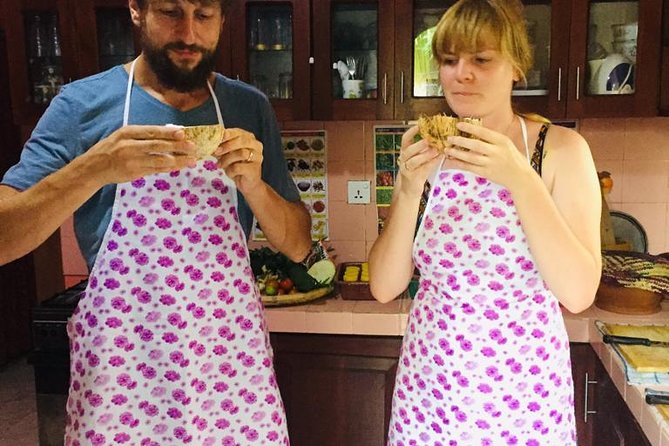
Let’s be honest: a lot of “cooking classes” end up feeling like food theater. This one aims for the opposite. In roughly 3 hours, you’ll move through a full home-style cooking flow where you’re actively preparing and cooking multiple dishes, not standing to the side.
The big headline is that you’ll make 10 different dishes and also traditional desserts. That quantity matters, because it teaches you how flavors build and change across a meal. You’ll get a better sense of why curries and sides in Sri Lanka taste the way they do, instead of learning one isolated recipe and calling it a day.
You’re also promised a guided format where the chef explains the authentic method as you cook. That’s what turns it from “follow these instructions” into something you can reuse later.
Your Clay Pot Lesson: Why Traditional Cooking Matters Here
The class specifically uses clay pots, and that’s not a random gimmick. Cooking in clay can change the way heat behaves and how flavors settle into the food. Even if you don’t know the science (and you don’t need to), you’ll notice the cooking feels different from metal pots.
From a value standpoint, clay pots are exactly the kind of detail that makes a cooking class worth paying for. If you’re spending money to do a hands-on experience, you want the tools and techniques to feel closer to real life than a modern kitchen demo.
And since you’re cooking the dishes yourself, you’ll actually feel how the pot responds—timing, stirring needs, and how the sauce develops. That practical experience beats reading about cooking methods later and hoping it translates.
What You Do During the Session (Not Just What You Watch)
There’s no multi-stop city tour here. The “itinerary” is basically your cooking timeline at the same meeting point, starting and ending there too. That’s good news if you don’t want to spend your energy on transportation.
Here’s what you can expect, based on how the experience is described:
- You’ll arrive and meet at Colombo Cooking Class, No 275/1, B231, Angoda 10600, Sri Lanka.
- You’ll receive a menu and then cook the dishes yourself, with the chef walking you through each step.
- You’ll also work on traditional desserts, rounding out the meal instead of stopping after curries.
- The class runs about 3 hours and ends back at the meeting point.
The key benefit is pace. With this structure, you’re not waiting around forever for instructions. The chef’s job is to explain the authentic Sri Lankan style while you’re actively cooking, so you can ask questions in the moment when something doesn’t make sense.
More hands-on Colombo sessions to sit in on

Chef Coaching and Spice Talk: How Authentic Style Gets Transferred
One thing the class emphasizes is the chef teaching an authentic cooking style in Sri Lanka. That phrasing matters, because “authentic” usually means the method—not just the end result.
You’ll learn about spices during the cooking process. The class isn’t framed as a lecture you attend while someone else handles the food. Instead, the chef explains along the way, so spice use becomes part of your technique: when it goes in, how it changes flavor, and what you should pay attention to as the dish cooks.
This is also where a private setup helps. Since it’s only your group, the chef can keep explanations aligned with your pace. If you’re quick, you move on. If you need more time, you can slow down without feeling like you’re holding up strangers.
If you’ve taken cooking classes before, you’ll probably appreciate this approach. It’s more “learn by doing with feedback” than “collect a certificate and a photo.”
The Value of Making Around 10 Dishes
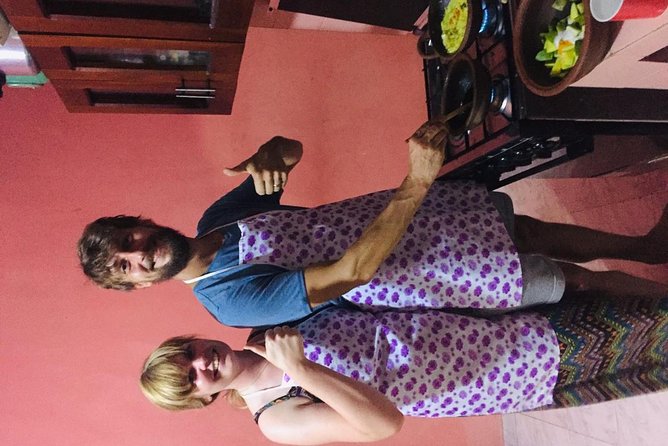
The “10 dishes” detail is more than a brag number. In a short class window, making multiple items teaches you patterns—how Sri Lankan flavors repeat across different dishes, and how different components work together on the table.
For you, that means you’ll go home with a stronger mental model:
- You’ll see how a curry-style flavor base fits into the overall meal.
- You’ll understand where desserts fit relative to spices and meal timing.
- You’ll likely leave with practical ideas for cooking at home, not just a list of ingredients.
Also, you’re not stuck with a single dish you might not even like. The combination of savory dishes and traditional desserts makes the experience feel like a real meal rather than a snack lesson.
And yes, you’ll be using clay pots, which again ties into why the session feels distinct.
Where to Meet in Colombo (Angoda): Easy Start, Easy Finish
The meeting point is clearly set: Colombo Cooking Class, No 275/1, B231, Angoda 10600, Sri Lanka. The activity ends back at the meeting point, so you don’t have to plan an extra transfer to wrap up your meal.
It’s also listed as near public transportation, which can be a big deal in Colombo. You don’t want the class to eat your day. Since it runs about 3 hours, being close to transit helps you fit it into a schedule.
If you’re staying somewhere far from Angoda, give yourself a little buffer for routing and traffic. You’ll be cooking for the full session, so the easier the arrival, the more relaxed you’ll be when you start.
Price and What You’re Really Paying For ($50)
At $50 per person, this isn’t a bargain “snack tour.” But it also isn’t priced like a luxury private chef dinner. The value comes from four concrete things you’re getting:
- Hands-on cooking of about 10 dishes plus desserts
- Clay pots used for the cooking itself
- Chef explanations focused on authentic method and spice use
- Private group format, so your time is not shared with unrelated strangers
If you compare it to a restaurant meal plus a guided talk, this is different. You’re paying for skill transfer while you cook. That’s why the time box matters: roughly 3 hours is long enough for real participation but short enough to fit into a travel day.
One more practical point: the class is usually booked about 13 days in advance on average. So if your dates are fixed, don’t leave it to the last minute.
Who This Cooking Class Is Best For
This fits best if you like getting involved and you’re curious about Sri Lankan cooking beyond basics. You’ll probably enjoy it most if:
- you want to cook, not just observe
- you care about spice technique and seasoning logic
- you like home-style meals and communal energy
- you want a private session where the chef can explain at your pace
If you’re the type who panics at getting your hands involved, you may find the hands-on nature stressful. Also, if you need strictly dry weather or you hate being flexible about scheduling, note that good weather is required for the experience.
What Past Feedback Signals About the Experience
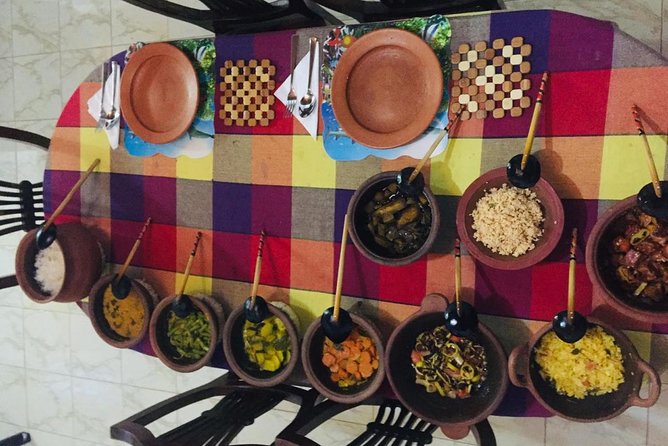
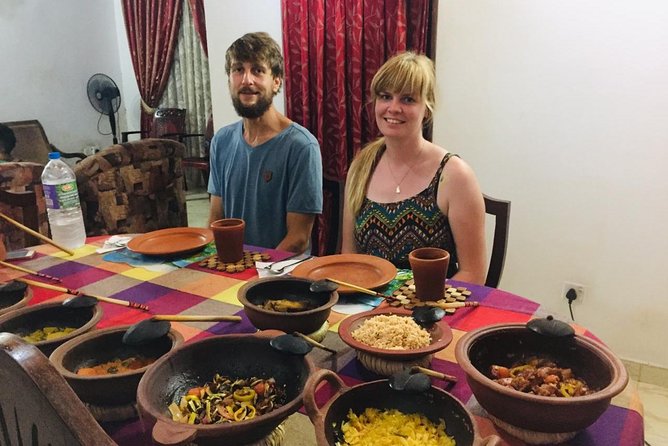
The standout theme in the reviews is authenticity and a family-style feel. One review describes the experience as a real home, a real family, and a genuinely amazing meal, including shared preparation and cooking duties for 10 curries together. That matches the class design: you’re not only learning, you’re contributing.
It also suggests the mood is warm rather than formal. You’ll likely feel more like you’ve been invited into a cooking day than like you’re attending a performance.
The host response also reinforces that the organizers see your participation as part of the success of the hands-on session, not just ticket sales.
Tips to Get the Most Out of Your Session
This part is simple, but it can make the class smoother:
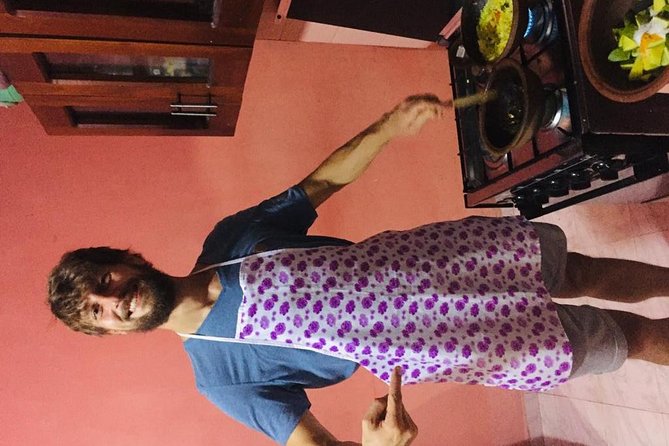
- Wear clothes you don’t mind getting splashed. Clay pots and real cooking can mean real mess.
- Go in hungry, but don’t expect to snack beforehand. You’ll be cooking for the whole session.
- Ask questions while you’re cooking, not after everything is already finished. Spice and technique details are easier to absorb in the moment.
- If you’re short on time in Colombo, check how you’ll reach Angoda and plan to arrive a little early.
And if you like repeating recipes later, focus less on memorizing exact steps and more on remembering the chef’s logic: seasoning timing, how flavors build, and what to look for as food cooks.
Should You Book Colombo Cooking Class in Angoda?
I’d book it if you want a true hands-on Sri Lankan cooking experience in Colombo, with clay pot cooking, and you’re excited to make multiple dishes and desserts rather than one item. The $50 price makes sense when you consider the amount of cooking you do, the chef guidance, and the private group setup.
Skip it only if you’d rather observe from the sidelines, hate getting involved with cooking mess, or you’re traveling with a schedule that can’t bend at all. Also, because the experience requires good weather, build in a plan for a different date if conditions don’t cooperate.
If your goal is an authentic meal you help create, this class is built for that.
FAQ
How long is the Sri Lankan cooking class in Colombo?
The cooking class lasts about 3 hours.
How many dishes will I cook?
You’ll cook around 10 different dishes, and you’ll also make traditional desserts.
Are clay pots used during the cooking?
Yes. The experience uses clay pots for the cooking.
Is this a private tour?
Yes. It’s listed as a private tour/activity, so only your group participates.
Where is the meeting point in Colombo?
The start location is Colombo Cooking Class, No 275/1, B231, Angoda 10600, Sri Lanka.
What’s the cancellation policy?
You get free cancellation, with a full refund if you cancel at least 24 hours before the experience starts.
More Hands-On Colombo Sessions
- Colombo Cooking Class
★ 5.0 · 151 reviews - Market Tour and Hands-On Cooking Class Colombo
★ 5.0 · 140 reviews - Cooking Class Sri Lanka with Locals
★ 5.0 · 101 reviews - Vegan Cooking Class Colombo with Market Tour
★ 5.0 · 9 reviews - Authentic Sinhalese Cooking Class in Colombo with a Local Family
★ 5.0 · 9 reviews
One More Curry Pot
- Colombo Cooking Class
★ 5.0 · 151 reviews - Market Tour and Hands-On Cooking Class Colombo
★ 5.0 · 140 reviews - Cooking Class Sri Lanka with Locals
★ 5.0 · 101 reviews - Colombo Cooking Experiance with Explore Market
★ 4.7 · 33 reviews - Vegan Cooking Class Colombo with Market Tour
★ 5.0 · 9 reviews
Just added to the Colombo pages



Market & Curry Cooking Classes, compared.
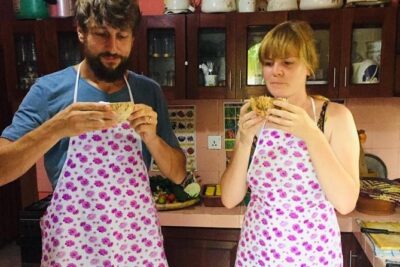 ★ 5.0Colombo Cooking ClassFrom $60151 reviews
 ★ 5.0Market Tour and Hands-On Cooking Class ColomboFrom $80140 reviews
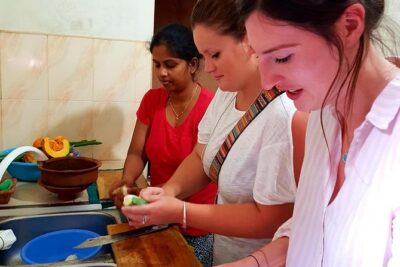 ★ 5.0Cooking Classes in Sri LankaFrom $45110 reviews
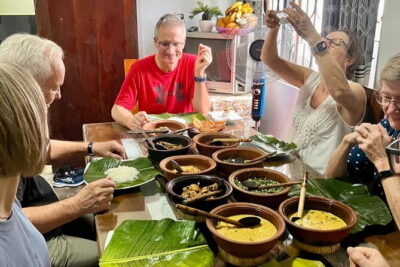 ★ 5.0Cooking Class Sri Lanka with LocalsFrom $40101 reviews
 ★ 4.7Colombo Cooking Experiance with Explore MarketFrom $3533 reviews
 ★ 4.9Negombo Private Tour: Market, Temples & CanalFrom $1915 reviews
 ★ 5.0Vegan Cooking Class Colombo with Market TourFrom $809 reviews
 ★ 5.0Authentic Sinhalese Cooking Class in Colombo with a Local FamilyFrom $1489 reviews
Browse the lists this tour appears in