
Reviewed · MARKET & CURRY COOKING CLASSES
Market Tour and Cooking Class from Colombo
A market stop turns cooking into context. This private market-to-table class in Colombo has you shop Pettah Market for produce and spices, then cook a Sri Lankan rice-and-curry meal you can repeat at home. I especially like the chef-led shopping, because it turns ingredients into stories and practical choices. I also like the hands-on workshop format, since you end up eating what you make instead of just watching. The main thing to think about is that the experience runs using a tuk tuk or car, and it requires good weather.
You can choose a morning or late-afternoon slot, starting around 9:45 am or 3:45 pm, and it runs about 4 hours. You’ll finish by roughly 2:00 pm (morning) or 8:00 pm (afternoon), with lunch or dinner included. You’ll get a mobile ticket, and the tour is private, so it’s only for your group.
In This Review
- Key things to know before you go
- Why this Colombo class feels practical, not just fun
- First stop: Pettah Market and its produce-and-spice flow
- Meet your chef and follow Sri Lankan cooking steps
- The kitchen lesson: breadfruit curry and a meat or fish main
- Lunch or dinner: what you eat at the end of class
- Timing, duration, and transport: how to plan your day
- Price check: does $120 per person make sense?
- Who this tour is best for
- What to do after: turning one class into repeatable skills
- Should you book this Colombo market and cooking class?
- FAQ
- FAQ
- What time does the cooking class start in Colombo?
- Where do I meet the tour?
- Is the experience private?
- What will I cook during the workshop?
- What’s included in the price?
- What if the weather is poor?
Key things to know before you go
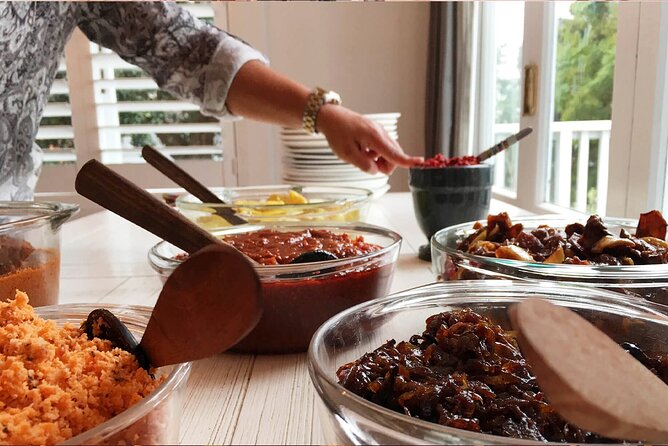
- Pettah Market shopping for produce and spices: You focus on fresh items at the market’s produce stalls and spice areas.
- Breadfruit curry plus a protein main: You’ll prepare a breadfruit curry and a meat or fish dish (your chef helps guide the choice).
- Two session times: Morning or late-afternoon lets you match the class to your day.
- Eat together after cooking: You sit down to enjoy the meal at the end of the workshop.
- Transportation depends on weather: You’ll go in a tuk tuk or a car based on conditions.
Market-to-table cooking classes worth a morning
- Market Tour and Hands-On Cooking Class Colombo★ 5.0 · 140 reviews
- Cooking Class Sri Lanka with Locals★ 5.0 · 101 reviews
- Colombo Cooking Experiance with Explore Market★ 4.7 · 33 reviews
- Vegan Cooking Class Colombo with Market Tour★ 5.0 · 9 reviews
- Authentic Sinhalese Cooking Class in Colombo with a Local Family★ 5.0 · 9 reviews
Why this Colombo class feels practical, not just fun
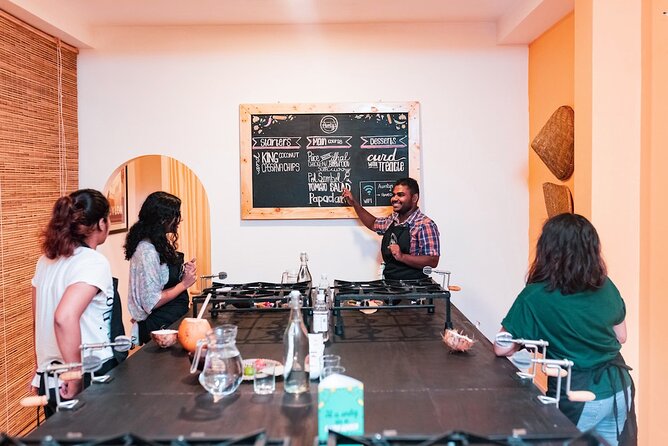
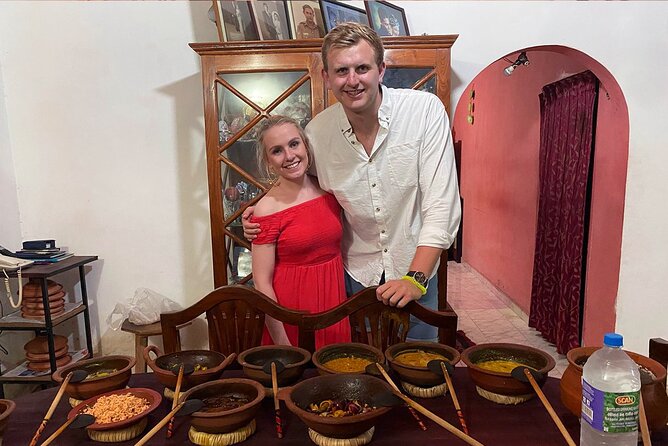
I like cooking classes that actually teach you how to choose ingredients, not only how to follow a recipe. This one works because you start at Pettah Market, then you move straight to the kitchen studio while the flavors are still in your hands. Instead of memorizing a list, you learn why certain items are used and how to treat them once you’re cooking.
I also like that the class is built around Sri Lankan home-style food: rice and curry, with a veggie curry component and a fish or meat main. That matters because it’s the kind of food you’ll recognize if you eat out in Colombo, and it’s the kind of meal you can realistically rebuild at home.
One consideration: the schedule is set for a fixed start time (morning or late-afternoon), and the transport is weather-dependent. If Colombo weather turns rough, you’ll want to be flexible with your plans.
First stop: Pettah Market and its produce-and-spice flow
Your day starts at the Cooking Studio, then your chef takes you to Pettah Market. The transfer is by tuk tuk or car, depending on weather. In practical terms, that means you don’t have to figure out Colombo traffic or directions on your own, but you should still keep your day plan open if conditions change.
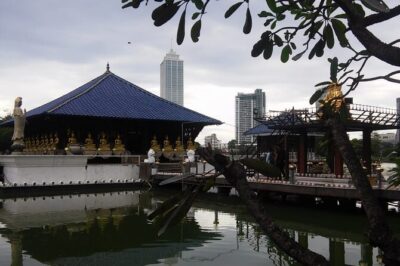
Pettah Market is old. You’ll pass disused, age-blackened warehouses, and you’ll notice smooth-worn cobblestones and narrow alleyways shaped by centuries of trading. A big thing here is that the market isn’t one simple loop. It’s organized into areas based on what people sell. Some sections break up with older abandoned stretches, then you’ll see the next zone blend into the next.
What you do in this first phase is very specific: you focus on the Fresh Produce stalls, where the fruits and vegetables are arranged in colorful rows. Your chef uses this time to show you how to pick ingredients in a way that translates directly into the cooking session. When you’re shopping this way, you start thinking like a cook, not like a tourist who is trying to find something to photograph.
A helpful way to approach this part:
- Go with a curious mindset and ask quick questions as you walk.
- Pay attention to which items your chef treats as key (rather than just “pretty”).
- Notice how spices appear in a different section than produce, so you understand how the market is structured.
If you want to learn Sri Lankan cooking beyond a single dish, this market walk is where it begins. You see the raw ingredients first, so everything in the kitchen makes sense later.
Meet your chef and follow Sri Lankan cooking steps
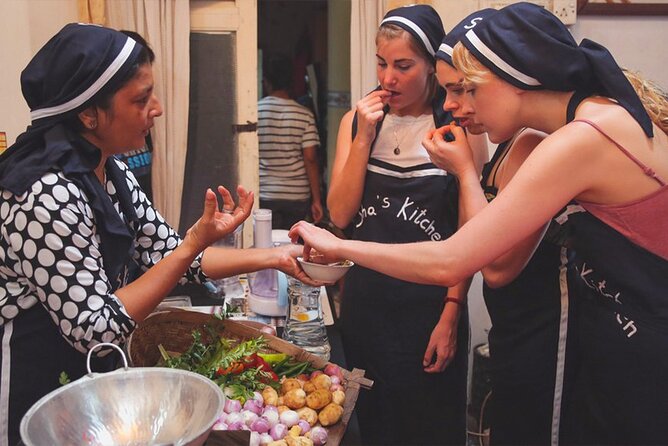
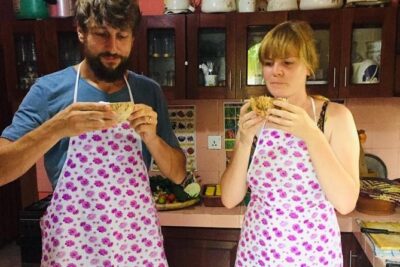
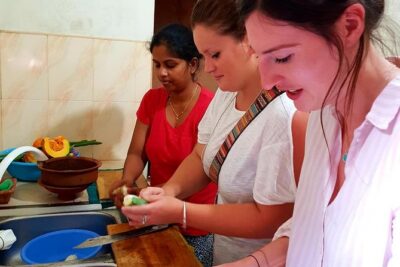
Back at the cooking studio, the workshop starts. This isn’t framed as a “watch and snack” class. The whole point is that you prep and cook what you’ll eat. You’re taught how to make a home-cooked rice and curry meal with instructions from your chef, and you’ll work through the prep steps that make curry cooking feel manageable.
One name that shows up in the experience feedback is Piumi. In the comments provided, she’s praised for being informative, engaging, fun, and for hosting a private cooking class in her home. People also describe the food as exquisite and the overall experience as thoroughly enjoyable. I can’t promise you’ll get the exact same chef, but it’s a good sign of what the class style seems to aim for: personal, welcoming, and practical.
In Sri Lankan cooking, curry isn’t just one flavor. It’s a system: base aromatics, spice balance, and then a rhythm of adding ingredients so you get the right texture and taste. You’ll feel that more than you’d get from cookbooks because the guidance is coming while you’re chopping, mixing, and cooking.
More hands-on Colombo sessions to sit in on


The kitchen lesson: breadfruit curry and a meat or fish main
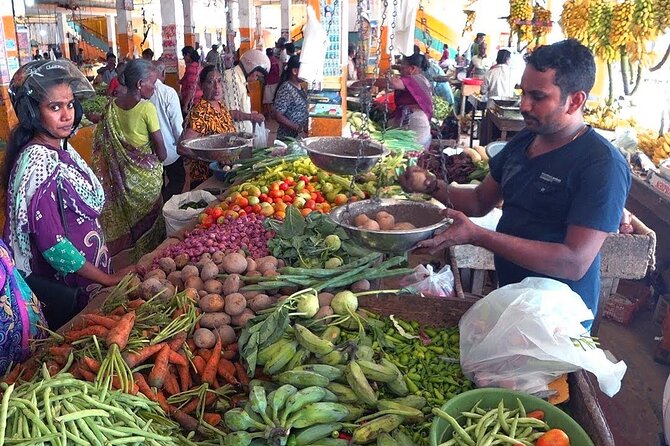
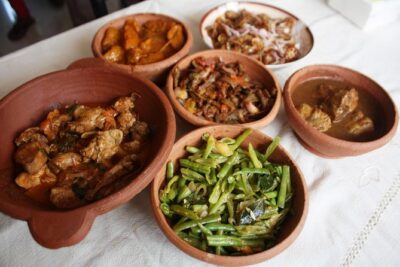
The workshop has a clear centerpiece: breadfruit curry paired with a meat or fish dish. That combination is smart for learning, because it gives you both a plant-forward curry and a protein curry approach. You also get a veggie curry element that fits the typical Sri Lankan meal structure.
Here’s what this usually means in practice, and why it’s valuable:
- Breadfruit curry teaches you how to work with a starchy, hearty ingredient that holds flavor well.
- A fish or meat curry teaches you how proteins interact with spice and simmering time.
- Together with rice and the rest of the curry components, you see the full plate, not a single experiment.
A small caution: breadfruit isn’t something many people cook with at home. That’s actually part of the appeal here—your learning becomes transferable, even if the exact ingredient is harder to find later. Your real win is learning the curry method: how the spice base behaves, how thickening happens, and how the final taste is balanced.
At some point during the session, you’ll be following fixed instructions, but the real value comes from the guidance you receive while you cook. Sri Lankan curries are opinionated: small choices can change the outcome. You want a chef who can explain those choices in human terms, and the way this class is structured is meant to make that happen.
Lunch or dinner: what you eat at the end of class
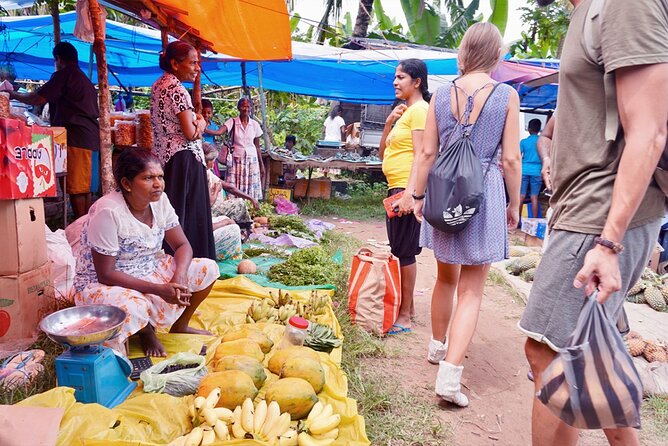
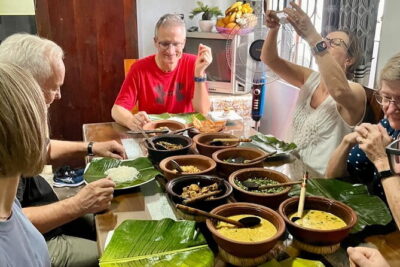
You finish with a sit-down meal, which is one of my favorite parts of any cooking class. It turns the session into a full cycle: shop → cook → eat. You’ll get your lunch (morning class) or dinner (late-afternoon class) at the end, and the tour typically wraps around 2:00 pm for the morning slot or 8:00 pm for the afternoon slot.
The meal you eat is described as essentially Sri Lankan home-cooked rice and curry, taught as part of the workshop. That’s useful if you want to understand what a Sri Lankan meal is “supposed” to taste like, because it’s not a staged restaurant plate designed for tourists. It’s a meal designed for home-style comfort.
If you’re hoping to recreate this later, eat with the mindset of a learner:
- Notice aroma first, before you taste.
- Pay attention to spice warmth and how it changes across bites.
- Look at how the curry thickness compares from one dish to another.
The goal isn’t to memorize a flavor. It’s to understand what the chef is aiming for.
Timing, duration, and transport: how to plan your day
This is a roughly 4-hour experience. You’ll start from the Cooking Studio at about 9:45 am or 3:45 pm on any day except Sundays. In practical terms, that makes it easy to slot into a normal day: you’re not committing your whole morning, and you’re not burning your entire evening.
Transport matters more than you might think. You’ll travel to Pettah Market in a tuk tuk or car depending on weather. If it’s hot or rainy, you’ll feel it more than you would on a walking-only tour. So plan to wear clothes you don’t mind getting a little curry-air on you. Cooking studios tend to be close to the action.
Also, the tour is described as near public transportation, which can be useful if your accommodation is in central Colombo and you’re deciding how to get to the start point.
One more practical note: you’ll get a mobile ticket, and you’ll receive confirmation at booking time. That’s helpful for keeping everything simple on your side.
Price check: does $120 per person make sense?
At $120 per person for about 4 hours, this class sits in a mid-to-higher price range for Colombo. The question is whether you’re paying for just cooking, or for the full experience.
Here’s what you’re actually buying:
- A chef-led trip to Pettah Market, focused on produce and spice stalls.
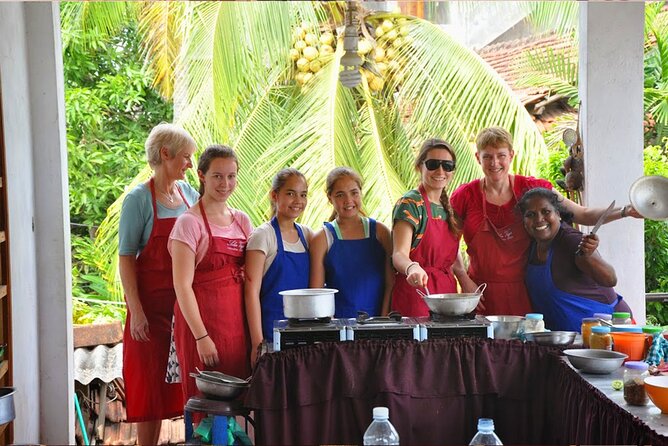
- Time in the kitchen studio to prep and cook multiple curry components.
- A meal at the end (lunch or dinner).
- A private format, meaning only your group participates.
- Small-group comfort even if you don’t control the ingredients yourself.
For me, the value lands when you treat the market part as part of the lesson. If you only cared about cooking food, you’d likely find cheaper classes. But if you want the ingredient literacy that helps you cook at home, the market-to-table structure is the big differentiator.
And if you’re comparing it to eating out, keep this in mind: this experience gives you an edible result plus the method. One meal in a restaurant feeds you once. This feeds you now and gives you something to practice later.
Who this tour is best for
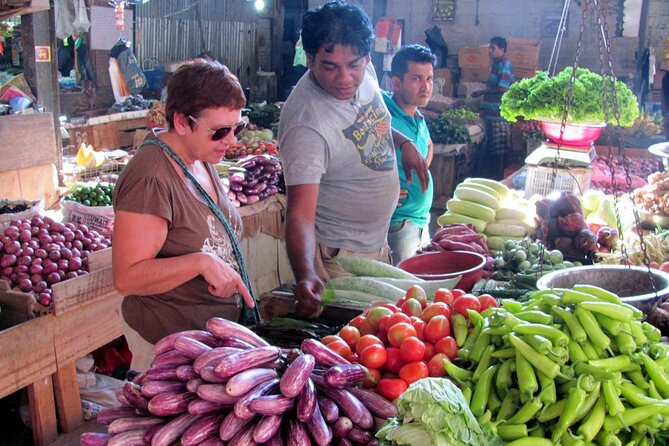
This class is a great fit if you:
- Want a hands-on introduction to Sri Lankan flavors rather than a food tasting only.
- Like the idea of learning through shopping at the source, not just buying a pre-made ingredient kit.
- Prefer private or group-only settings where you can ask questions without feeling rushed.
- Plan to cook later at home and want a guided path to repeat the dishes.
It’s also a good pick if you’re traveling with someone who wants to do an experience together. The cooking and meal format turns it into shared time, not just a checklist activity.
If you’re an ultra-busy traveler who wants to see lots of Colombo neighborhoods in one day, this might feel too focused. But if you want quality learning in one concentrated block, it’s strong.
What to do after: turning one class into repeatable skills
This is the part I care about most: how you use what you learn. Since this is a fixed-recipe style class taught through instructions, you’ll likely walk away with a clearer idea of what to do step-by-step. But the market learning is the real long-term tool.
When you cook later, try to carry over:
- How you select curry-friendly ingredients (not just “whatever looks good”).
- How you balance curry strength and thickness.
- How the meal components fit together on a plate: rice plus multiple curries.
Even if you can’t find breadfruit at home, your technique knowledge travels better than the ingredient itself. That’s where classes like this beat generic recipe sites.
Should you book this Colombo market and cooking class?
I’d book it if you want one solid afternoon or morning that teaches Sri Lanka through real ingredients and real cooking. The Pettah Market start plus the kitchen workshop plus the sit-down meal is a clean, satisfying loop. And if you enjoy learning from a chef who can explain what you’re doing while you’re doing it, this format is designed for that.
I’d think twice if your schedule is tight and you hate weather-dependent transport. Also, if you’re the type who only wants a quick taste experience, the 4-hour cooking focus may be more commitment than you want.
If you’re on the fence, pick the session time that matches your energy—morning for an earlier rhythm, late-afternoon for a more relaxed day ending with dinner.
FAQ
FAQ
What time does the cooking class start in Colombo?
The class starts at either 9:45 am or 3:45 pm, depending on which session you choose. It runs for about 4 hours.
Where do I meet the tour?
You start at the Cooking Studio in Colombo, and the activity ends back at the meeting point.
Is the experience private?
Yes. It’s listed as a private tour/activity, so only your group participates.
What will I cook during the workshop?
You’ll prepare a breadfruit curry and a meat or fish dish, following your chef’s instructions. The meal is an essentially Sri Lankan home-cooked rice and curry style.
What’s included in the price?
The experience includes the Sri Lankan cooking workshop, a lunch or dinner depending on start time, and a tour of Pettah’s fresh produce market and spice stalls.
What if the weather is poor?
This experience requires good weather. If it’s canceled due to poor weather, you’ll be offered a different date or a full refund. You can also cancel for a full refund if you cancel at least 24 hours in advance.
More Colombo Markets and Shopping
- Market Tour and Hands-On Cooking Class Colombo
★ 5.0 · 140 reviews - Colombo Cooking Experiance with Explore Market
★ 4.7 · 33 reviews - Colombo Sightseeing & Shopping
★ 4.5 · 15 reviews - Colombo Sightseeing and Shopping Private Tour Including Lunch
★ 5.0 · 12 reviews - Vegan Cooking Class Colombo with Market Tour
★ 5.0 · 9 reviews
More Hands-On Colombo Sessions
- Colombo Cooking Class
★ 5.0 · 151 reviews - Market Tour and Hands-On Cooking Class Colombo
★ 5.0 · 140 reviews - Cooking Class Sri Lanka with Locals
★ 5.0 · 101 reviews - Vegan Cooking Class Colombo with Market Tour
★ 5.0 · 9 reviews - Authentic Sinhalese Cooking Class in Colombo with a Local Family
★ 5.0 · 9 reviews
One More Curry Pot
- Colombo Cooking Class
★ 5.0 · 151 reviews - Market Tour and Hands-On Cooking Class Colombo
★ 5.0 · 140 reviews - Cooking Class Sri Lanka with Locals
★ 5.0 · 101 reviews - Colombo Cooking Experiance with Explore Market
★ 4.7 · 33 reviews - Vegan Cooking Class Colombo with Market Tour
★ 5.0 · 9 reviews
Just added to the Colombo pages





Market & Curry Cooking Classes, compared.
 ★ 5.0Colombo Cooking ClassFrom $60151 reviews
 ★ 5.0Market Tour and Hands-On Cooking Class ColomboFrom $80140 reviews
 ★ 5.0Cooking Classes in Sri LankaFrom $45110 reviews
 ★ 5.0Cooking Class Sri Lanka with LocalsFrom $40101 reviews
 ★ 4.7Colombo Cooking Experiance with Explore MarketFrom $3533 reviews
 ★ 4.9Negombo Private Tour: Market, Temples & CanalFrom $1915 reviews
 ★ 5.0Authentic Sinhalese Cooking Class in Colombo with a Local FamilyFrom $1489 reviews
 ★ 5.0Vegan Cooking Class Colombo with Market TourFrom $809 reviews
Browse the lists this tour appears in